
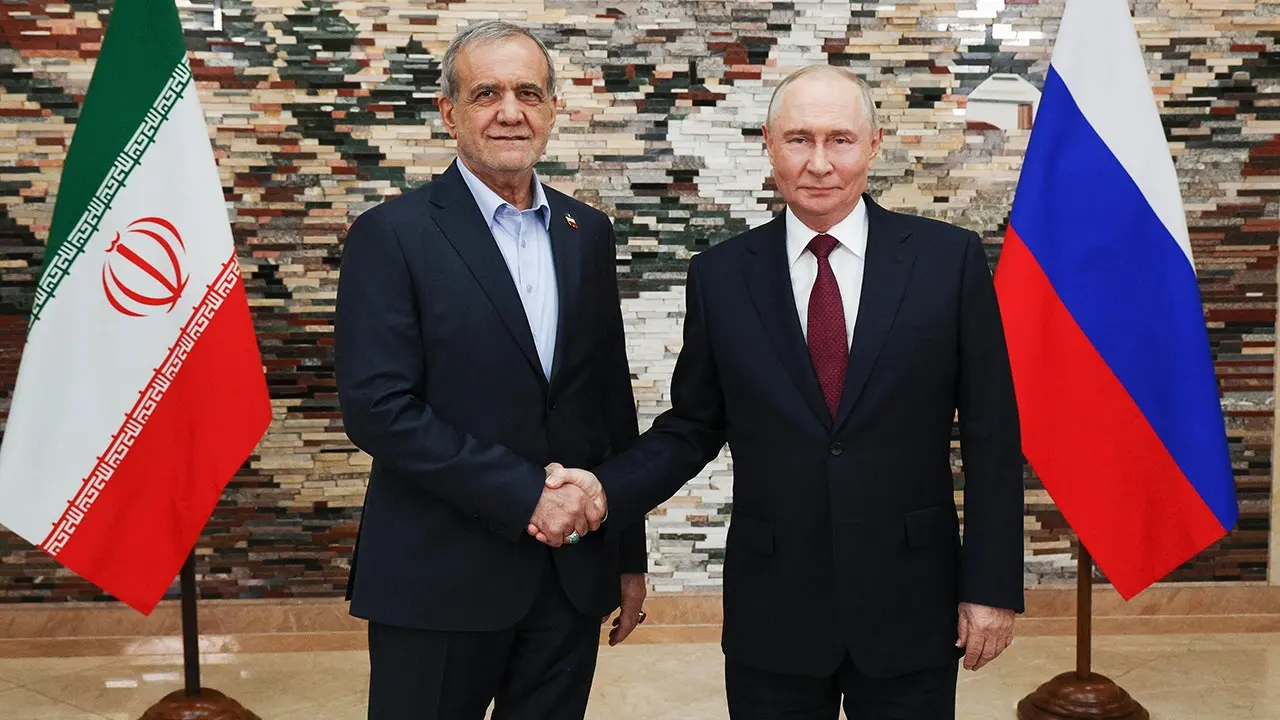
Russia and Iran Strengthen Ties with New Collaboration Plan
A confidential Russian document has been revealed, showing plans for Russia and Iran to enhance their relationship in many areas, extending beyond traditional trade practices. This 44-page document outlines initiatives such as alternative financial routes, nuclear cooperation, and numerous energy projects along with improved transportation links extending towards the Persian Gulf.
Titled “Plan for Cooperation Between the Russian Federation and the Islamic Republic of Iran for 2024-2026,” the document is meant for official use only and was approved by Russian authorities on September 2, 2024. It details the responsibilities of various ministries, agencies, and state-owned companies, assigning them specific projects with deadlines stretching until the end of 2026.
Experts note that Russia and Iran depend heavily on each other. With the ongoing tensions between Iran and the United States, it’s unclear which projects are still active, but many outlined in the plan seem to be progressing. Keti Korkiya, a research analyst, highlights that while some projects may not be groundbreaking on their own, collectively they illustrate a solid framework for cooperation between the two nations.
One salient point from the document is its focus on creating independent financial channels to reduce vulnerability to international sanctions. These mechanisms include suggestions for using national currencies in bilateral trade and developing digital currencies for cross-border settlement.
Additionally, the roadmap indicates that Russia’s state nuclear corporation, Rosatom, will continue to play a vital role in Iran’s nuclear program. It secures fuelling and maintenance for existing facilities and helps develop future nuclear power plants.
The cooperation extends into energy as well, with plans for Russia to participate in key oil and gas projects in Iran, although some financial details remain confidential. Reports suggest initiatives like the development of Iran’s Shadegan oil field are actively advancing.
The road ahead includes improving transportation between the two countries. Plans for a railway linking Russia to Iranian ports and ongoing reconstruction efforts for the Rasht-Astara railway are in the works. This seeks to create trade routes less dependent on traditional European pathways.
Beyond finance and heavy industry, the plan also promotes the exchange of media content and technology cooperation, further solidifying ties between Russia and Iran. An official overseeing the relationship, Energy Minister Sergei Tsivilev, connects his role back to President Vladimir Putin’s family, indicating the strategic importance Russia places on its partnership with Iran.
In conclusion, while the document outlines numerous ambitious plans, the implementation and effectiveness of these proposals will likely depend on the evolving geopolitical landscape. Both countries seem poised to deepen their partnership as they navigate the complexities of modern international relations.
