
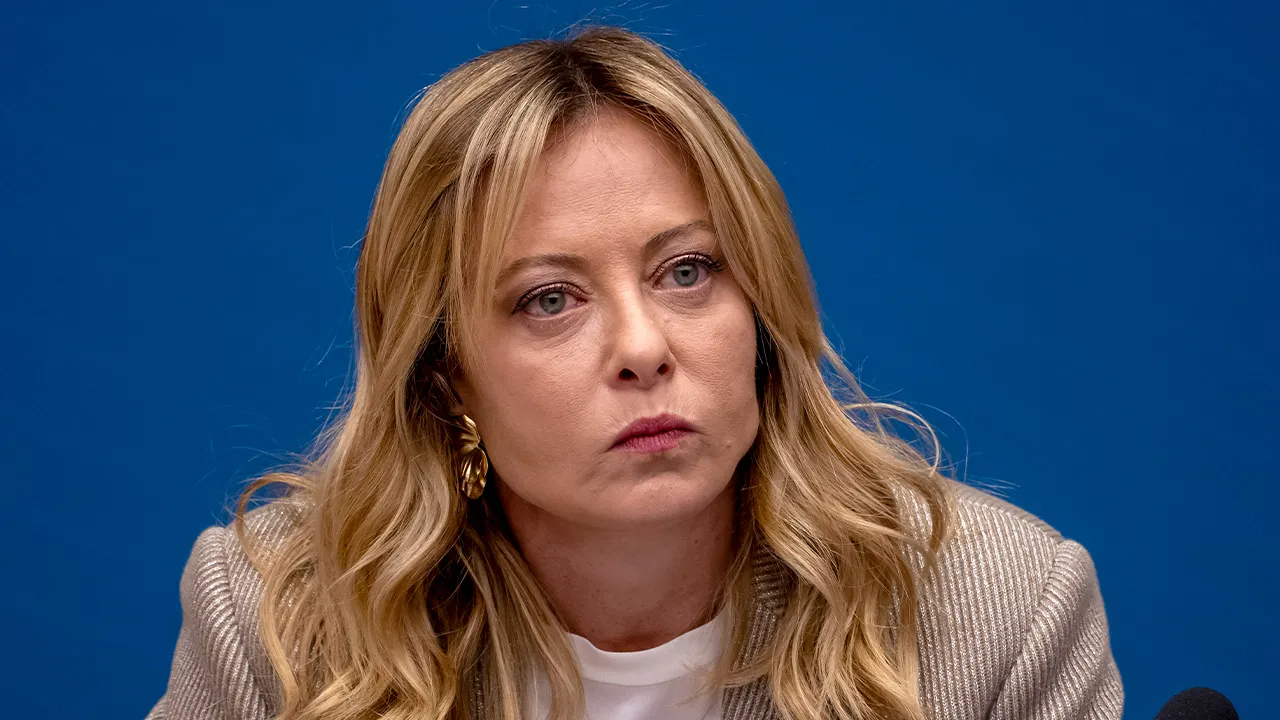
Italian Prime Minister Proposes New Measures for Schools
On September 20, Italian Prime Minister Giorgia Meloni revealed a plan to introduce new legislation concerning foreign students in schools and face-covering garments. This initiative includes setting limits on the number of foreign students allowed in classrooms and banning the wearing of burqas and niqabs in educational settings.
During a speech in Rome, Meloni stated that these measures are designed to promote integration, maintain Italian cultural traditions, and ensure that native students do not feel overlooked in their own schools. “There’s no way that in an Italian classroom, the ones who feel marginalized are Italian children because they have become a minority,” Meloni emphasized, addressing members of her conservative Brothers of Italy party’s youth wing.
Under the proposed legislation, each classroom would have a maximum number of non-Italian students to avoid dense concentrations in particular areas. Meloni did not specify what that limit would be, but she also mentioned that parents of foreign students who have trouble integrating would be required to take Italian language classes.
“For us, anyone who comes to Italy and wishes to build their future here must learn our language, understand our culture, and respect our rules,” Meloni stated, highlighting the importance of language and cultural understanding.
Currently, around 11.6% of students in Italian schools are non-citizens, according to Italy’s Education Ministry. It’s worth noting that under Italian law, children born to foreign parents do not automatically acquire citizenship and must wait until they turn 18 to apply.
Meloni raised concerns that high numbers of non-native speakers can hinder the learning experience. She explained, “If in a classroom there is only one child who doesn’t understand Italian, it’s possible for that child to learn and integrate quickly. But if there are many such children, that’s not integration anymore, that’s abandonment.”
The proposed law also seeks to ban religious face-coverings like burqas and niqabs in schools, while still allowing other forms of Islamic dress, such as the hijab. The Brothers of Italy party has reinforced this message on social media, stating that newcomers to Italy must learn the language and embrace cultural norms.
Several neighboring countries, like France and Belgium, have already implemented similar bans on face coverings in public areas, although their regulations and enforcement differ.
The proposed legislation is set to be reviewed by Italy’s Council of Ministers before it goes to Parliament for approval.
Since becoming Prime Minister in 2022, Meloni has been a strong advocate for traditional Italian values, and her administration recently became the longest-standing government in modern Italian history, surpassing previous records set by Silvio Berlusconi.
