
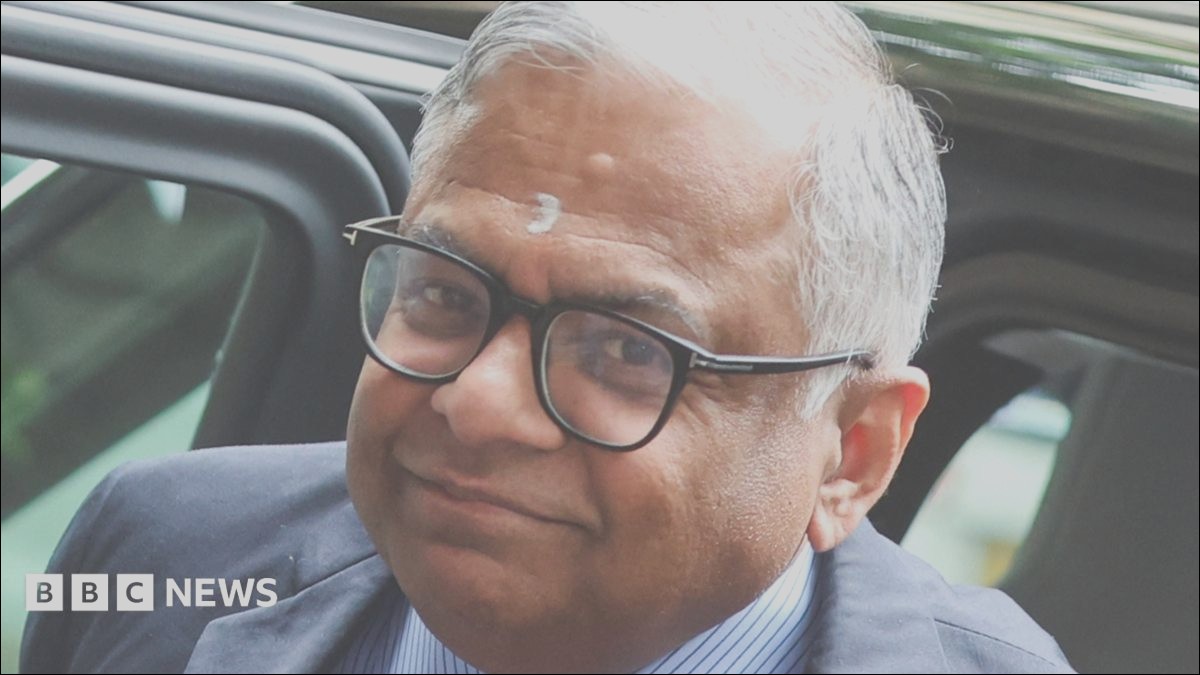
In recent years, the challenges facing Tata Group have grown, particularly as newer businesses struggle to turn a profit compared to the cash flow from established companies like Tata Consultancy Services (TCS). Nirmalya Kumar, a former strategy head at Tata Sons, highlighted that the losses from these new ventures now outweigh the gains from TCS, which has traditionally been a strong source of income for the group.
TCS has long been a crucial player, accounting for about 85% of Tata Group’s cash flow, but its role has changed as it faces competition from emerging technologies like artificial intelligence. Despite the challenges faced by newer, privately held companies within the group, the publicly traded Tata firms, which are managed by CEOs, are performing quite well.
Experts see potential among the internal candidates who could take on leadership roles in the group. However, finding an ideal candidate who fits perfectly into the role may not be easy. Kumar notes that while these individuals have effective operational skills, the new chairman will need to grasp the unique business models of the group’s underperforming ventures.
The upcoming change in leadership is expected to create some uncertainty for investors. The new chairman is likely to alter the strategic approach that was set by outgoing chairman Natarajan Chandrasekaran, focusing on ambitious expansion plans. Experts suggest that some businesses that are currently struggling need a solid strategy to become profitable again, which may involve scaling back or exiting certain investments.
Kumar emphasizes the necessity for the new leader to lay out a clear plan for additional investments and outline when the group expects to break even on its ambitious projects. A key priority will also be fostering a strong relationship between Tata Sons and the Trusts that are the main shareholders, which historically supported the strength of Tata Group under JRD Tata and Ratan Tata.
The relationship deteriorated during Cyrus Mistry’s tenure when there was a disconnect between the roles of leadership and the Trusts. Chandrasekaran’s resignation marks another instance of a chairman stepping down due to strained relations with the Trusts. Mukund Rajan, a former brand manager at Tata Sons, noted that having a majority shareholder who feels sidelined or misaligned with the company’s future creates significant problems.
Moving forward, it will be crucial for the new chairman to rebuild this relationship as it plays a vital role in the company’s future strategy and success.
