
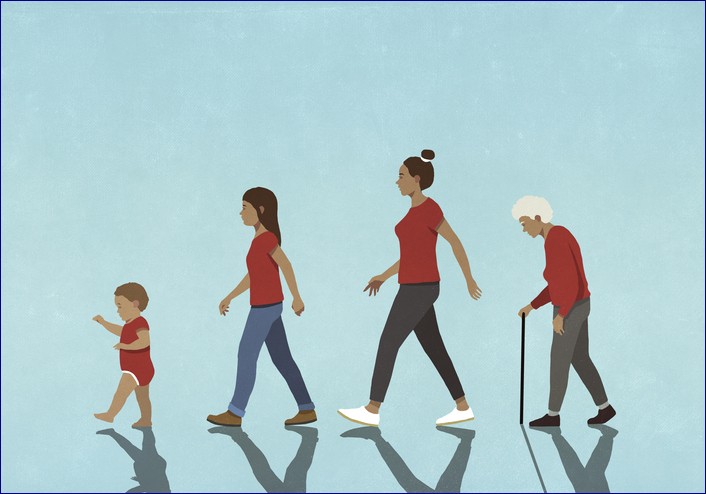
Imagine turning 85 with a healthy heart, balanced cholesterol, perfect blood sugar levels, and good sleep, but losing your independence due to a hip fracture. For many years, healthcare has aimed to help us live longer. Now, the next step should be to ensure we stay mobile, independent, and strong enough to truly enjoy those years.
Every era of healthcare has its own focus. Forty years ago, heart health was the main concern. Two decades later, the spotlight shifted to metabolic health. Recently, the buzz has been about optimizing hormones, tracking sleep, and increasing longevity.
These trends share a common thread: a once narrow medical focus has now become a crucial part of lifelong health. Advances in technology have made health measurements easier, and people are paying more attention. As the healthcare system emphasizes prevention, new innovations are emerging to support this.
When it comes to bone health, we’re now experiencing a similar shift. This is not because conditions like osteoporosis are becoming more frequent, but rather because the conversation about bone health is changing significantly.
Bone health has been a major healthcare gap for decades. In the U.S., over 60 million adults aged 50 and older either have osteoporosis or osteopenia, both of which increase the risk of fractures. Surprisingly, many people are never diagnosed or treated for these conditions.
Globally, fragile fractures happen at an alarming rate—around 37 million each year, or one every second. Half of all women and one in four men over 50 will suffer an osteoporotic fracture during their lifetime. Despite the serious impact of bone health issues, it hasn’t been included in daily preventive healthcare as heart and metabolic health have. However, that is starting to change.
Bone Health: An Overlooked Area of Preventive Care
Several factors are pushing bone health into the spotlight:
-
Aging Population: By 2050, the number of U.S. residents aged 65 and older is projected to reach 83.7 million. Loss of bone density is almost universal as we age, affecting the entire faster-growing older population.
-
Menopause: During menopause, the drop in estrogen can speed up bone loss significantly, with women potentially losing up to 20% of their bone density in the first few years. This subject has gained more attention recently, highlighting the need to link bone health with menopause care.
-
Weight Loss Medications: The popular use of GLP-1 medications for weight loss may lead to unintended consequences for bone health. Rapid weight loss can lead to reduced bone density and muscle mass, raising concerns about a potential increase in fracture risk for users.
-
Focus on Longevity: There’s a growing movement centered on healthspan—living longer while remaining active. Strong bones are essential for this. A hip fracture in older adults is closely linked to losing independence and increased mortality in the following year.
-
Consumer Health Trends: Tools like wearables and home diagnostics have created a generation eager to track their health. Bone health has mostly missed out on this trend as traditional measurement required clinical scans. But now, as testing becomes more accessible, bone health is positioned to join the health tracking movement.
The Power of AI in Diagnosing Bone Health
Artificial Intelligence (AI) is paving the way for more widespread diagnosis of bone health issues. Traditionally, diagnostic tests were ordered only when a doctor suspected a problem. However, AI is changing this approach by pulling valuable health data from routine exams, such as CT scans and X-rays.
Many CT scans are performed for reasons unrelated to bone health, but they contain crucial bone density information that has often been overlooked. AI can now help screen for osteoporosis during these routine checks, making diagnosis more accessible and timely.
Building a Stronger Future for Bone Health
Over the last decade, we have seen a revolution in preventive health for various aspects, including heart and brain health, sleep, and mental wellness. Unfortunately, bone health hasn’t seen the same attention.
So, why is that?
- Bone health is often hard to measure.
- Osteoporosis is called a “silent disease” since there are usually no symptoms until fractures occur.
- There’s no ongoing tracking of bone density for most people.
- Treatment options remain limited.
- Many consumers still do not grasp the risks associated with low bone density.
However, these obstacles are starting to diminish thanks to AI-driven screening, better awareness of menopause and longevity, and a growing number of patients at risk.
Looking Toward a Future of Mobility
The future of bone health isn’t just about preventing osteoporosis; it’s about promoting mobility. Achieving this requires three critical shifts:
-
Proactive Intervention: Currently, bone issues are often only discovered after fractures happen. More affordable DEXA scans and advancements in AI will help identify low bone density long before fractures occur, promoting earlier care.
-
Comprehensive Treatment: Bone health has depended on single prescriptions for too long. Future care will combine exercise, nutrition, fall prevention, and monitoring of risk factors like menopause, alongside medication.
-
Tailored Treatment Plans: Right now, treatment is mostly general. Improved health tracking will allow doctors to personalize treatment based on individual needs and adjustment over time, similar to how cardiovascular diseases are managed.
These combined efforts will catch bone issues sooner, address the various factors that increase fracture risk, and ensure effective long-term treatment. Unlike past approaches, this strategy doesn’t rely on a new medication but rather on improved data and healthcare systems that bring bone health management up to par with other well-known health categories.
Transformational changes in healthcare often follow a predictable path: scientific advancements, easier diagnosis, rising consumer interest, and a push for preventive care become necessities. We believe that the time has come for bone health to step into the spotlight in preventive care. The goal is a future where fractures are rare, fostering active, mobile, and healthy lives for millions.
This future is already beginning to unfold.
