
South Korea’s President Calls for Enhanced Military Independence
South Korean President Lee Jae Myung is urging his country to strengthen its military capabilities. This call comes after former U.S. President Donald Trump ordered significant reductions in American participation in joint military exercises with South Korea.
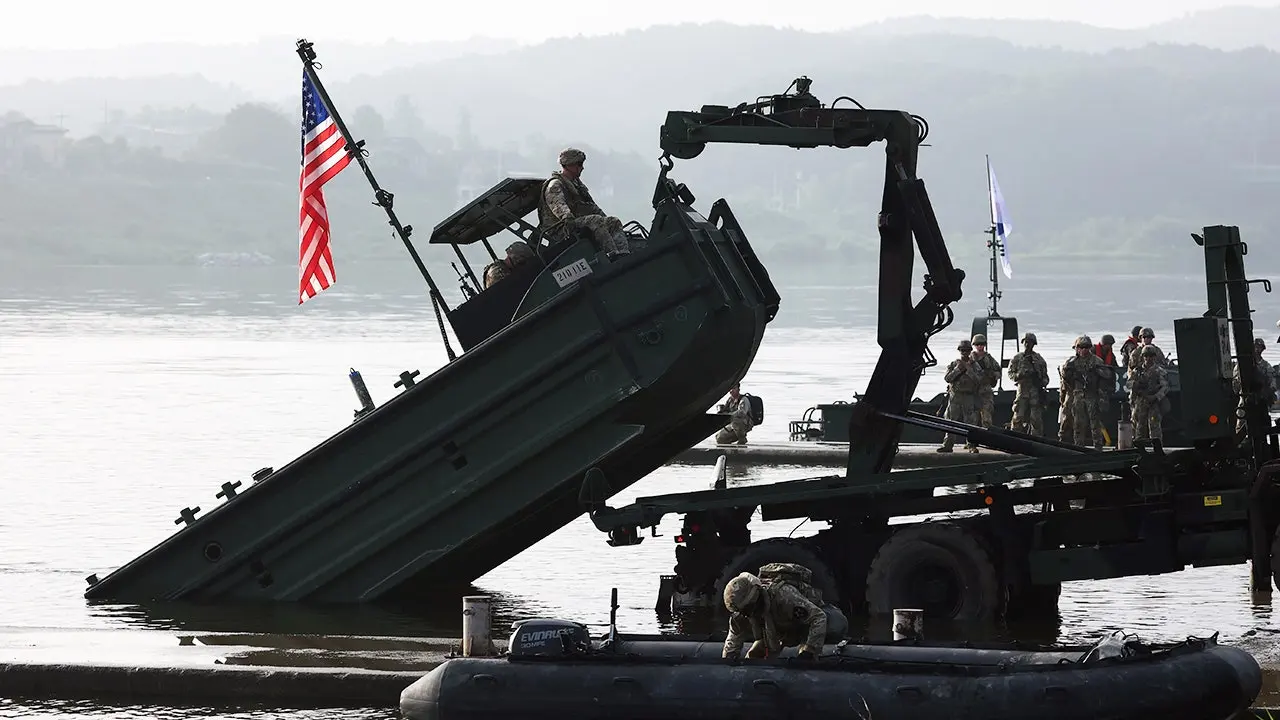
President Lee made his remarks during a cabinet meeting held on Tuesday, coinciding with the commencement of the annual Ulchi Freedom Shield exercises. Trump’s announcement on social media, which was made over the weekend, instructed War Secretary Pete Hegseth to greatly minimize U.S. involvement in these drills, citing concerns that the exercises might appear too aggressive towards North Korea.
During the meeting, Lee emphasized that the Ulchi Freedom Shield is focused on defense. He stated, “A strong alliance makes the foundation of security stronger, and enhancing our own capabilities increases our value and necessity as an ally.” He noted that while maintaining peace with North Korea is a key goal, South Korea must also be ready for any potential threats.
Among the initiatives highlighted by Lee was the promotion of South Korea’s nuclear-powered submarine program, indicating a clear intent to bolster the nation’s defense capabilities.
In related news, Trump’s remarks about the South Korean administration cited a desire for a reduction in military drills, which he believes send a hostile message to North Korea. He referenced his own positive relationship with North Korea’s leader, Kim Jong Un, and criticized the joint exercises as costly and unnecessary.
Lee’s administration is interpreting Trump’s favorable words about North Korea as an opportunity for potential positive developments in relations, with security advisor Wi Sung-lac expressing hope that Trump’s connections could lead to fruitful discussions between the U.S. and North Korea.
In a more controversial remark, Trump also pointed out Lee’s unwillingness to engage in discussions about a U.S.-led initiative to denuclearize Iran, suggesting that South Korea declined to participate.
This ongoing dialogue highlights the complex dynamics of security and diplomacy in the region, with implications for both U.S.-South Korean relations and the broader situation on the Korean Peninsula.
