
India Takes Steps to Increase Piped Cooking Gas Connections Amid Global Fuel Challenges
On August 18, the Indian government announced its plan to encourage gas distributors in cities to expand domestic connections for piped cooking gas. This initiative comes in response to disruptions in fuel shipments caused by the ongoing conflict between the U.S. and Iran, which has significantly raised import costs for fuel.
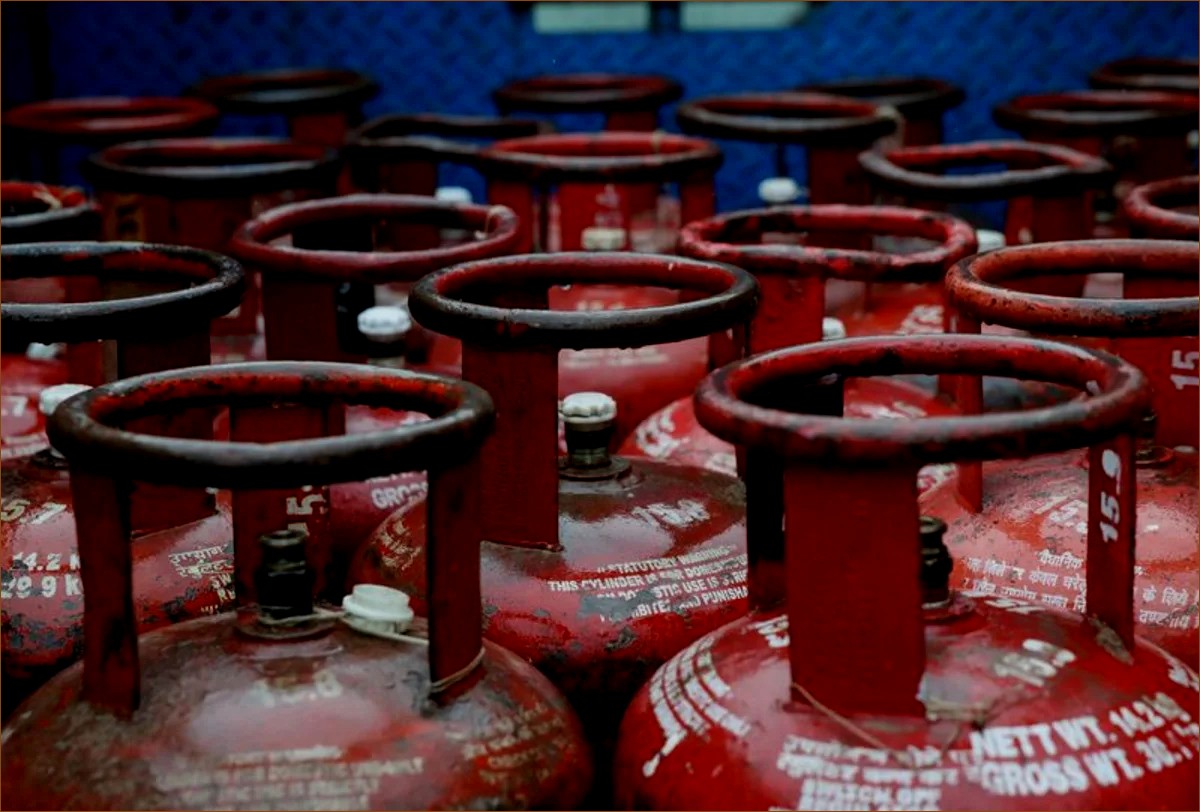
As the world’s second-largest importer of liquefied petroleum gas (LPG), India is facing a cooking gas crisis intensified by war in the Middle East. The government aims to improve the country’s gas distribution network and accelerate the transition to piped natural gas (PNG). This shift is intended to reduce reliance on LPG imports and lessen expenditure on subsidies.
Starting in September, city gas distribution companies will receive an additional 200 standard cubic meters of domestic, cheaper gas for every household they connect that begins using and paying for piped gas. This new incentive program is designed to motivate distributors to activate idle connections and expand the pipeline network, allowing them to reach more households.
Moreover, the extra gas being made available is expected to lower costs for gas sourcing, enabling distributors to recover their investments in new connections more quickly—about three years instead of the previous estimate of around ten years.
Since the conflict began, gas suppliers like Indraprastha Gas, Mahanagar Gas, GAIL Gas, and Bharat Petroleum Corp have also been providing additional incentives, such as discounts on installation fees for new piped gas connections.
Currently, India has approximately 17.4 million domestic PNG connections, while there are about 331.4 million households relying on active LPG connections as of July 1. To meet its energy needs, India imports around 60% of its LPG, bringing in approximately 22 million metric tons in 2025, primarily from the Middle East, which resulted in costs nearing $12 billion.
This new initiative represents a significant step for India to enhance its energy supply while coping with rising global prices and the challenges posed by international conflicts.
