
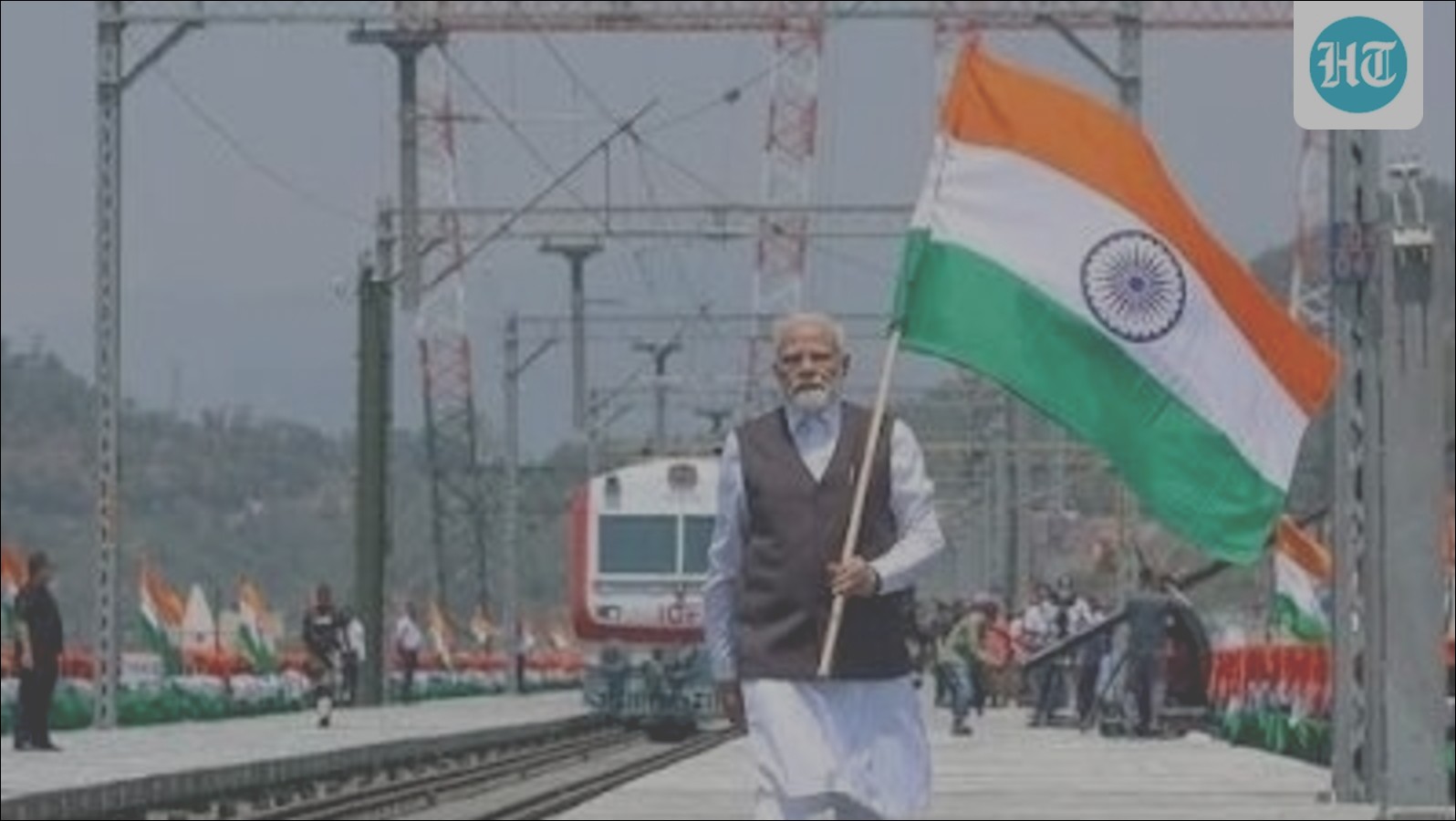
On the occasion of the 75th Independence Day, Prime Minister Narendra Modi unveiled ‘Paanch Prans’ or five pledges, urging the nation to shed the colonial mindset that still affects Indian society. As we prepare to celebrate the 80th Independence Day, the country continues to move forward, silencing skeptics and aiming for the 2047 vision of becoming a developed nation.
Reflecting on the tragic events of the 1947 Partition, which claimed the lives of millions, PM Modi took to social media to inspire citizens to take charge of their future. He encouraged everyone to contribute to India’s growth through courage, dedication, and hard work.
Despite efforts from the central and state governments, remnants of colonial influence still thrive in parts of public policy, particularly in education and social sectors. The focus remains on reforming these outdated systems.
As India approaches its milestone Independence Day, there are discussions about necessary reforms, particularly in bureaucracy and education, aimed at fostering national growth. For instance, prominent voices are calling for a second independence movement to identify and empower selfless leaders to reform India’s political landscape as the nation looks towards its centenary in 2047.
Many believe that overhauling the bureaucracy is essential for achieving the goal of a developed nation by 2047. The existing inefficient practices not only inflate the cost of doing business but also stall advancements in various sectors.
Looking back at India’s history, it’s evident that the shadows of its colonial past still linger. The chaos and suffering from centuries of foreign invasions should not be overlooked. Unlike some nations that faced a century of foreign dominance, India endured a millennium of hardship, which should compel its leaders to adopt a more assertive stance against lingering colonial perspectives.
To support its growing aspirations in a global landscape dominated by competitive powers like the U.S. and China, India must pursue decisive reforms and strengthen itself against external pressures. Building a robust military and industrial foundation will be crucial, especially given the long-standing boundary disputes with China.
As today’s India faces various challenges and aspirations, a collective effort is necessary to transform the nation’s potential into reality. The continuing struggle to break away from a colonial mindset will play an integral role in shaping the nation’s future.
