
Trump Seeks Compensation from Iran Amid Economic Crisis
Tensions are rising between the United States and Iran as President Trump calls for billions in compensation for years of damages. Analysts, including sanctions expert Miad Maleki, discuss Iran’s struggling economy and the effects of ongoing U.S. sanctions aimed at intensifying pressure on Tehran. Sandra Smith leads a conversation highlighting the drop in oil exports and the increasing difficulties faced by the Iranian people as a result of these sanctions.
Military Threats from Iran
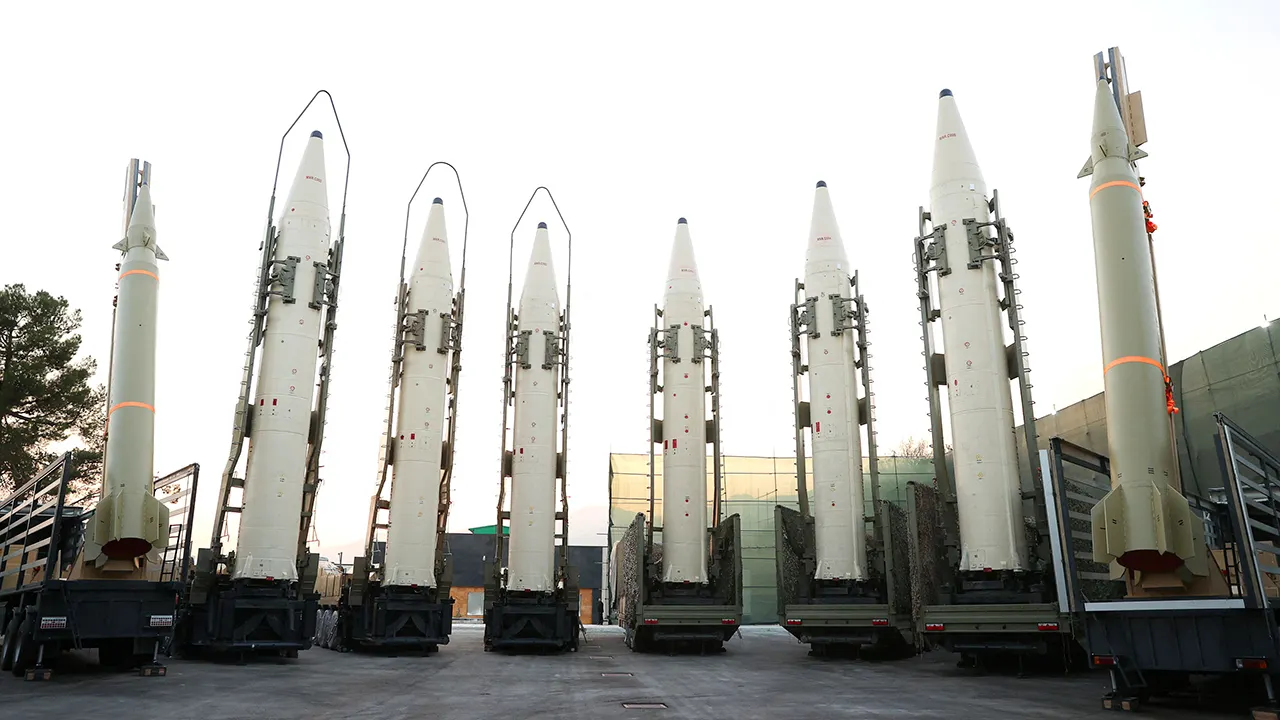
As Iran’s economy falters, there are warnings that the country could escalate military actions, potentially striking U.S. assets to undermine the impact of severe economic sanctions. This concern follows reports from the Abu Dhabi National Oil Company about two vessels being attacked while passing through the Strait of Hormuz, as confirmed by the UAE’s state news agency.
Focus on Economic Actions
Speaking on Newsmax, Treasury Secretary Scott Bessent mentioned that the U.S. is preparing to implement unprecedented economic actions against Iran. “Stay tuned for more announcements next week, as we plan to take measures like never before seen in economic isolation of a nation,” he stated.
Iran’s Military Strategy
Analyst Behnam Ben Taleblu warns that Iran is likely to ramp up military pressure in response to the heightened U.S. sanctions. He anticipates that Iran will engage in military actions to counter what’s perceived as economic warfare from the U.S. “As fall approaches, we can expect them to push back through military means,” Taleblu noted.
Expanding Target Lists
Taleblu suggested that falling oil revenues and U.S. naval presence might lead Iran to broaden its list of targets, possibly resulting in attacks on shipping, U.S. military bases, and infrastructure in the Gulf region.
Ongoing Stalemate in Talks
The warnings emerge amidst a standstill in negotiations between Washington and Tehran. An Iranian source indicated that discussions regarding extending the current ceasefire agreement have not advanced. Iran insists that the U.S. must return to the nuclear accord and establish a clear timeline for fulfilling its obligations.
Control of Strategic Waterways
The Strait of Hormuz, a crucial waterway for global oil transport, continues to be a significant point of contention. Hossein Taeb, the new head of Iran’s Basij paramilitary force, claimed that the strait remains under Iran’s control, contradicting President Trump’s assertion of U.S. dominance in the region.
Conclusion
As both nations navigate this complex situation, analysts highlight that Iran’s approach of combining military posturing with diplomatic pressure could challenge U.S. strategy. The outcome of these tensions remains uncertain as the deadline for negotiations fast approaches.
