
Elevating Safety at Large Tech Events Through Innovation
Large tech events attract thousands of people, creating an exciting atmosphere filled with networking opportunities and informative sessions. However, with such crowds, ensuring safety is a top priority for organizers. Fortunately, technology is helping to enhance safety measures in ways we’ve never seen before.
Modernized Event Safety
Gone are the days when event safety relied on just a few security guards and basic first aid stations. Today, event organizers are embracing smart technology, such as wearables, real-time digital check-ins, and interconnected systems, to keep guests safe right from the moment they arrive.
The need for better safety is clear. Big technology conferences like CES and Google I/O can have tens of thousands of attendees, making traditional safety measures less effective. When emergencies arise—be it a medical situation or a security issue—every second counts, and old methods can slow down response times.
Wearable Panic Buttons: A Game Changer
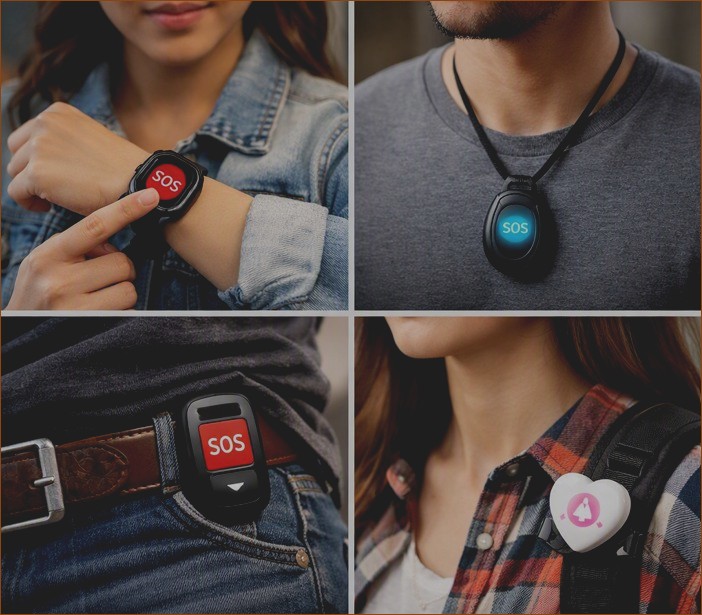
One of the significant advancements in safety technology is the introduction of wearable panic buttons. These small devices are easy to wear and allow attendees to signal for help with just a press of a button. The alert goes straight to on-site security or medical teams, providing them with the exact location of the person needing assistance.
What makes this technology particularly effective at tech events is its integration with other systems. These devices connect to the event’s larger safety network, enabling quick responses and ensuring that help is directed to the right spot without delay.
Some advanced models even monitor heart rates and other health indicators, alerting teams to potential issues before the wearer has to press anything. This is especially beneficial for events that welcome attendees of all ages and health conditions.
Smart Name Badges Do More Than Display a Name
Today’s event name badges have evolved beyond just showing your name. Many now include RFID or NFC technology that adds multiple safety features. By linking to the event’s check-in system, these badges can track whether someone has exited an area during an evacuation or confirm the location of a person who has triggered a panic alert.
Some organizers are even embedding panic button features directly into the badges, which simplifies the process for attendees needing help. Just one tap can summon immediate assistance, making for a smoother experience.
Digital Check-Ins Enhance Safety
Digital check-in systems are becoming crucial for event safety. Every time an attendee scans to enter a session or grab a bite, the data builds a real-time picture of where everyone is in the venue.
In emergencies, this information is vital. It allows organizers to quickly identify who might be in a dangerous area and who needs assistance. This data-driven approach replaces guesswork with accuracy.
These systems also aid in more subtle safety measures. Features like wellness checks can alert staff if an attendee hasn’t engaged with their app or hasn’t scanned into sessions over a set period, ensuring no one is overlooked.
The Importance of Human Oversight
While technology plays a significant role in enhancing safety, it doesn’t replace the need for trained safety personnel. Effective safety measures depend on a dedicated team that monitors the technology and responds to situations as they arise.
Combining smart tools with trained staff and clear communication is the best strategy for event safety. Technology can handle speed and scale, but human judgment and empathy are irreplaceable.
Implications for the Events Industry
Safety is becoming a key factor that can set events apart. Attendees notice when organizers prioritize their wellbeing, leading to increased trust and repeat attendance.
In the tech events space, people expect experiences that reflect the innovation of the industry. By implementing wearable panic buttons, smart name badges, and real-time digital check-ins, organizers signal that they value the safety of everyone involved.
The future of large-scale event safety is here. The challenge now is for the industry to adopt these advancements as standard practice.
