
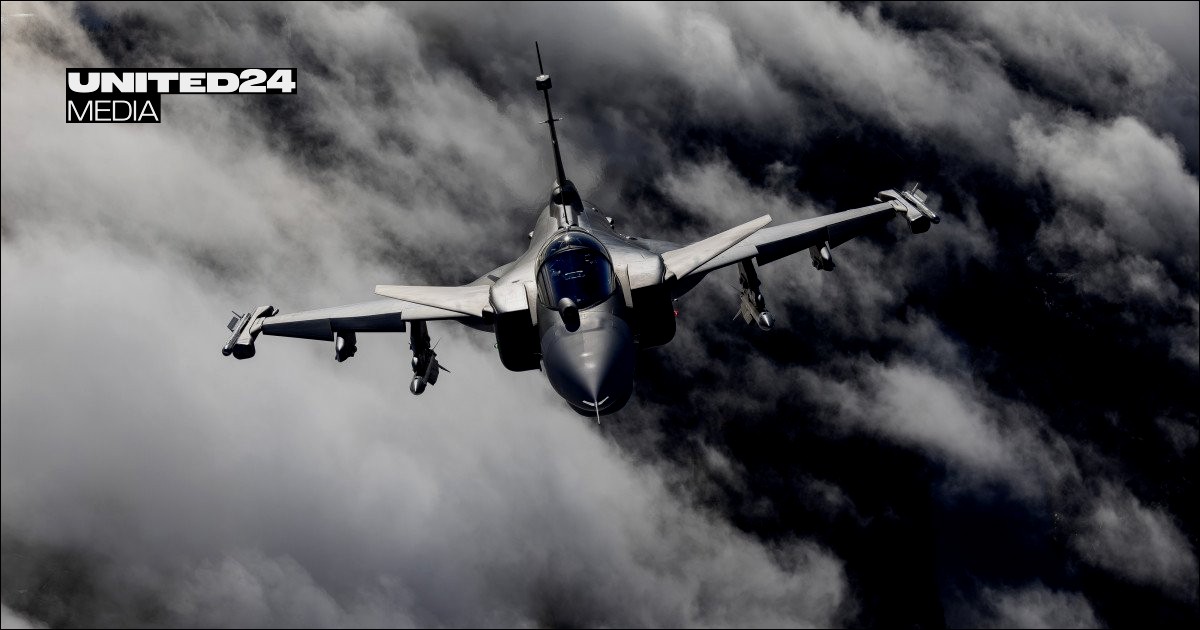
Saab Expands Gripen Production Amid Ukrainian Demand
In a significant move, Ukraine is set to receive its first batch of 16 Gripen E fighters from Swedish defense manufacturer Saab. This initial order marks just the beginning of a larger vision, with Ukraine aspiring to acquire as many as 150 of these advanced jets in the long term. Saab is ramping up its production capacity in response to this demand, aiming to increase output from about 15 jets a year to between 25 and 30 annually.
The initial Ukrainian order, valued at $2.6 billion, is scheduled for delivery between 2029 and 2030. However, Saab has made it clear that this is only the first step, as President Volodymyr Zelenskyy has expressed a much larger ambition for acquiring additional Gripens.
The current production rate of 15 aircraft a year means it would take around 6.7 years to fulfill an order for 100 jets, assuming no other orders are considered. Increasing production to 25 jets yearly would reduce this time to four years, while reaching 30 jets would result in roughly 3.3 years of production time.
Expanding Production to Meet Growing Orders
Saab’s President and CEO, Micael Johansson, highlighted that the increasing demand, especially from Ukraine, makes expanding production essential. The company aims to cut the time between the completion of fighters, reducing it from about 24 days to 14.6 days at a production rate of 25 jets, or 12.2 days at 30 jets.
The challenge, however, isn’t just about more assembly lines. The supply chain is a critical factor. Johansson noted that the availability of key components, such as engines and radars, impacts production capabilities. To combat this, Saab is increasing its stocks of materials and qualifying alternative suppliers to reduce reliance on single-source deliveries.
Multi-National Demand for Gripen Jets
Alongside Ukraine’s requirements, other nations are also increasing their orders for Gripens. Colombia recently signed for 17 aircraft, while Thailand has ordered 12 jets. Hungary plans to expand its fleet as well. This growing international interest underscores the pressing need for Saab to expand its production facilities effectively.
In addition, Brazil’s involvement is crucial, as Saab has established manufacturing capabilities in the country. Brazil’s production can help alleviate the workload and ensure faster delivery times, specifically for the Gripen E fighters.
The Path Ahead
Although Saab has robust plans to expand production, it recognizes the complexity involved in meeting diverse customer requirements. Each country may need unique configurations and systems, impacting the overall production flow.
Despite these challenges, Saab is committed to investing approximately $1 billion annually in enhancing its capacity and workforce. They’ve already seen strong sales and a steady increase in profitability, which positions the company well for future growth.
As Ukraine seeks to strengthen its air force, the expansion of Gripen production is no longer just an operational task; it’s a vital step in ensuring that the country can enhance its defense capabilities amid ongoing challenges. If this ambitious plan materializes, it could radically alter the landscape of military aviation in Europe.
