
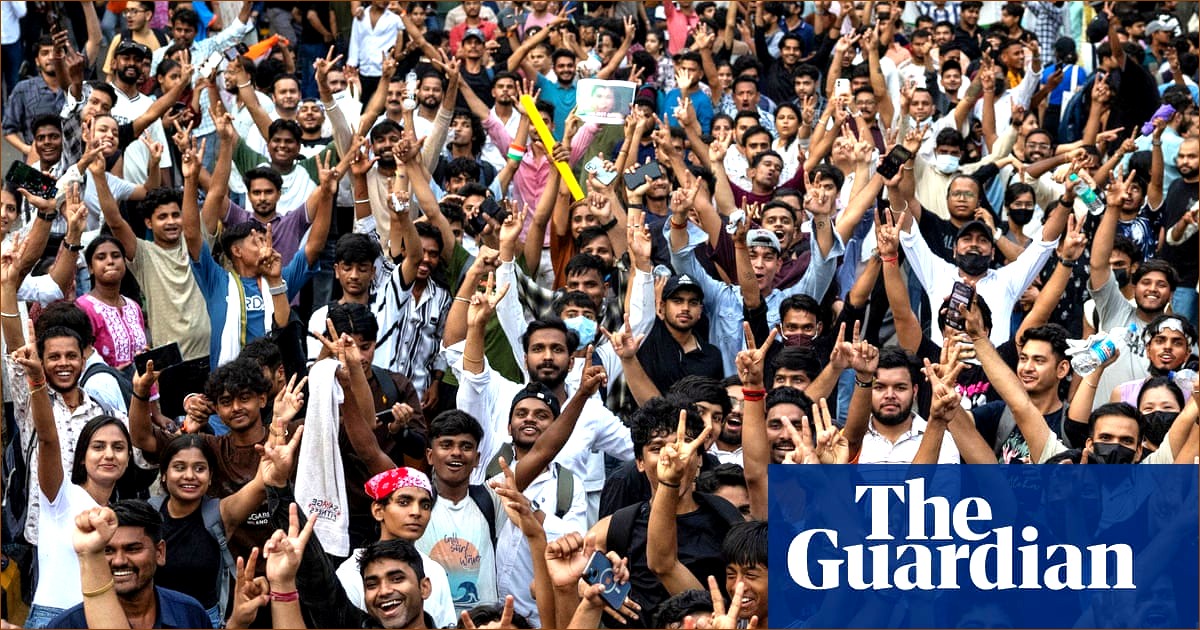
Protests in India Highlight Broader Social Concerns
In recent weeks, protests by India’s Gen Z have captured significant attention, but it’s important to recognize that these movements go beyond just young individuals. Across the country, from bustling cities like Delhi, Mumbai, Kolkata, Chennai, and Bengaluru to smaller towns, people of all ages—including parents, grandparents, and even young professionals—have shown their support. The atmosphere has been predominantly peaceful, a testament to the nature of these rallies and the organization behind them.
Despite the peaceful nature of the protests, mainstream media has often presented a skewed narrative, suggesting unrest and violence. This misrepresentation reflects a larger issue: young graduates grappling with bleak job prospects and a public increasingly aware of their diminishing democratic rights.
Moreover, as the editorial points out, movements often grow from a single issue into broader calls for justice and accountability. The current protests in India, sparked by issues such as leaked exam papers, symbolize a deep-seated frustration with the systems that are supposed to uphold fairness and opportunity.
Looking next door to Pakistan, a similar pattern is observed where young job seekers and marginalized groups voice their frustrations about governance and justice. However, these local protests tend to lack the momentum needed to become nationwide movements, often struggling to attract sustained public support or attention.
Whether in India or Pakistan, young people deserve trustworthy institutions, credible exams, and public systems that prioritize merit over personal connections. The significance of India’s current protests lies in the empowerment of a generation that is learning the value of peaceful collective action. The future impact of these movements will depend on whether this energy can help build stronger democratic institutions instead of widening societal divides.
