
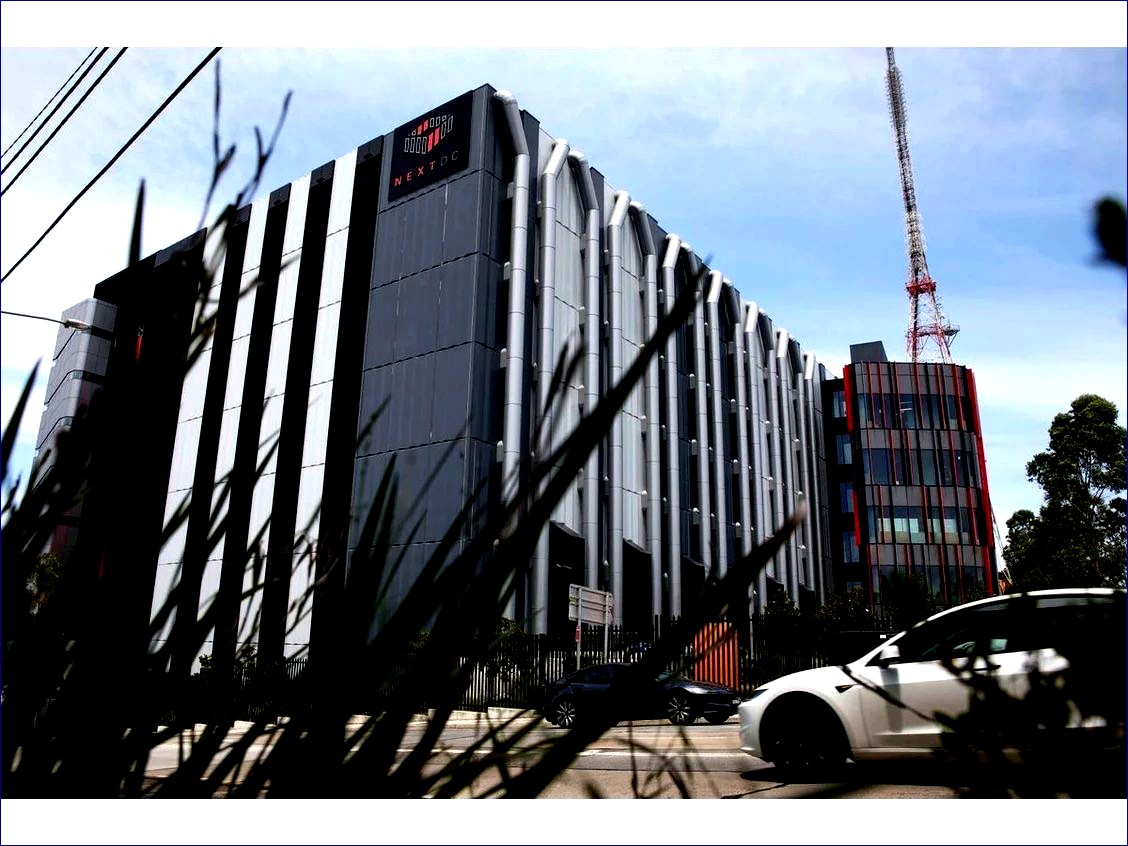
Australia’s New Energy Rules for Data Centers: A First of Its Kind
CANBERRA: Prime Minister Anthony Albanese is set to introduce groundbreaking energy and environmental regulations for Australia’s rapidly growing data center (DC) sector, valued at A$150 billion (US$105 billion). These proposals will be assessed during a meeting of federal, state, and territory energy ministers.
The virtual meeting comes as Australia’s data center industry expands due to increasing demand from artificial intelligence (AI) firms and tech giants like Microsoft and Meta. However, this growth has raised concerns among community and environmental groups.
To address this, Albanese stated that any new data centers must generate at least as much electricity as they use. “Creating a national framework for this sector would be unprecedented globally,” he remarked.
He emphasized that operators should invest in renewable energy, reduce water usage, enhance energy efficiency, and cover any additional water infrastructure costs. However, he did not provide many details on how these regulations would be implemented.
Australia is not alone in its efforts to regulate AI while ensuring that its energy needs are met for these demand-heavy data centers. A surge in investment in data centers is also contributing to the country’s economy, which is experiencing slower growth.
Analysts from Bloomberg Intelligence, led by Matt Ingram, have noted that Australia is becoming one of Asia’s top spots for data center projects. The country boasts significant renewable energy potential, a stable political environment, and strong connectivity with Asia thanks to low-latency submarine cables.
By 2030, investments in data centers could reach A$150 billion, according to Lucinda Jerogin, an economist at the Commonwealth Bank of Australia. Approximately 6GW of capacity is in the pipeline, driven by the demand for large-scale cloud and AI infrastructure.
In 2024, Australia was ranked second to the United States for investments in this sector, a report by real estate firm Knight Frank revealed.
While most state and territory governments are supportive of the proposed regulations, Queensland may resist. Premier David Crisafulli stated that the state does not want to impose renewable energy requirements, aiming to stay attractive to investors.
For these federal policies to move forward, support from all states and territories is crucial. A recent YouGov survey found that 82% of participants believe new data centers should finance extra renewable energy and storage to meet their power demands.
Rob Nicholls, a researcher at the University of Sydney’s Centre for AI, Trust, and Governance, mentioned, “National rules would prevent states from competing against each other in undesirable ways. The prime minister’s policy needs backing from all regions to succeed.”
Belinda Dennett, CEO of Data Centres Australia, which includes members like Google and Microsoft, expressed support for ensuring new electricity demand is matched by new supply. However, she pointed out that the industry seeks clarity on several key issues, including who is responsible for compliance, the timeline for these obligations, and what energy usage needs to be offset.
