
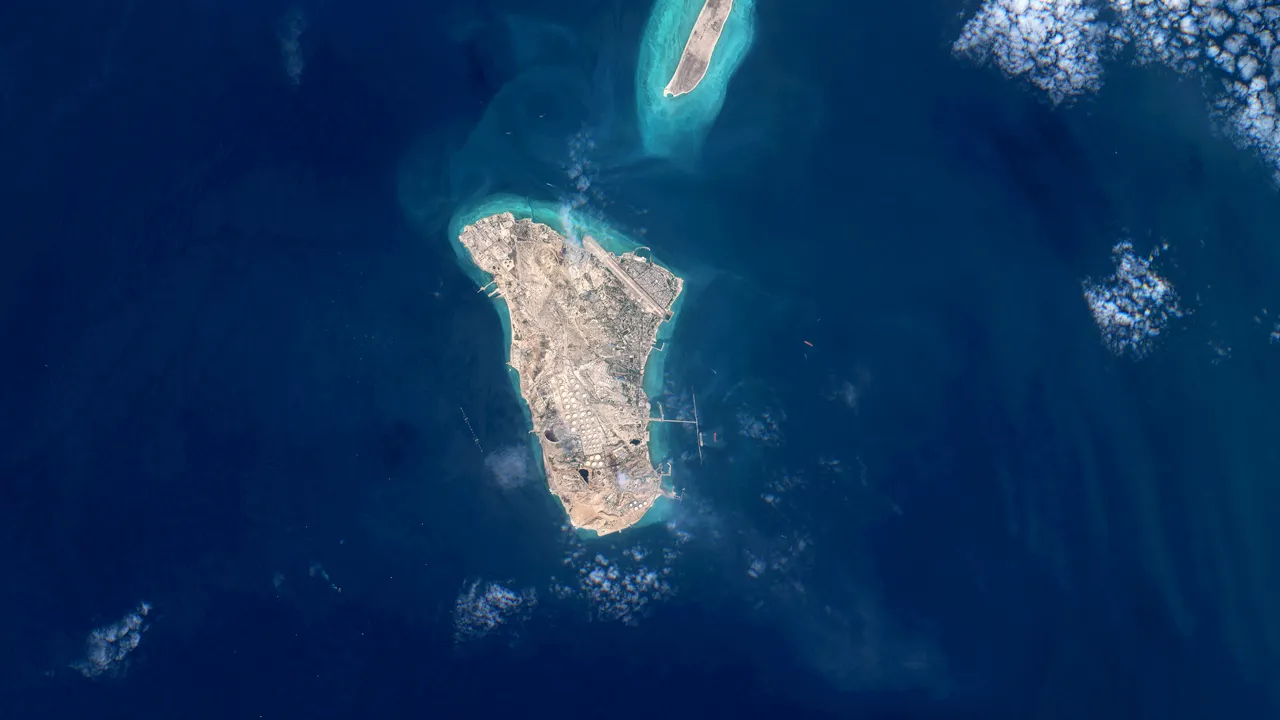
Military Experts Discuss Potential U.S. Action on Iran’s Kharg Island
In a potential military scenario, U.S. Marines could land on Iran’s Kharg Island, supported by helicopters and Navy ships. This island is crucial as it accounts for approximately 90% of Iran’s oil exports. Recent discussions heightened after President Donald Trump hinted that taking control of the island is not off the table. During an interview, he stated that previous U.S. military actions purposefully avoided damaging the island’s oil facilities to protect the global economy.
Understanding the Stakes
Retired Vice Admiral Robert Harward suggested that actions targeting Kharg would aim not just at capturing the island but also at preserving its oil infrastructure. This means avoiding unnecessary damage that might affect the future leadership of Iran, which should ideally prioritize its citizens’ welfare.
Trump echoed this sentiment, indicating that keeping the oil facilities intact is critical for regional stability and the global economy.
Challenges Ahead
Experts predict that while seizing Kharg might be swift, holding it could prove to be complex. The island is in range of Iranian missile and drone attacks, posing a significant challenge for U.S. troops who might find themselves under severe retaliation.
Historically significant, Kharg Island was selected as an oil terminal in the 1960s due to its advantageous location for shipping. While military strategies focus on capturing the island, analysts warn that Iran has fortified its defenses with advanced missile systems and swift naval capabilities designed to deter U.S. forces.
Critical Decisions for U.S. Strategy
If U.S. forces secure the island, they could face attacks, shifting the focus from traditional naval warfare to dealing with threats from missiles and drones launched from Iran’s coast, according to Harward. He emphasized that any attack on Kharg would endanger Iran’s economic lifeline, creating a dilemma for Tehran.
Military experts suggest that the U.S. should explore options other than direct assaults. Strengthening economic sanctions or targeting transport routes and border crossings may yield better results without escalating military conflict.
The dialogue surrounding Kharg Island indicates that while initial military operations may be quick, the broader implications and ongoing management of the territory would require careful strategy and resources.
Ultimately, the future stability of Iran may hinge on more than just military presence; it involves dismantling aggressive policies and enabling a leadership focused on peace and the well-being of its people.
