
Polysense Secures $10.7 Million in Seed Funding to Transform Food Production
Polysense, a startup based in Ghent, has successfully raised $10.7 million in a recent seed funding round, led by Felix Capital. This amount is a significant increase from their previous funding, where they raised $2.2 million just a year ago.
The company specializes in using artificial intelligence and camera technology on food production lines across Europe, the United States, and the Middle East. Their innovative approach has led to impressive results; for instance, one potato processing plant managed to reduce its peeling time by 45% through real-time quality monitoring.
The funding round also welcomed contributions from other firms, including Fortino Ventures, Syndicate One, and several angel investors. According to Yarne De Munck, co-founder and CEO of Polysense, this new influx of cash is a clear sign of progress. “In just twelve months, we moved from early pilot programs to full-scale operations with some of the largest food manufacturers globally. The food industry has been looking for a long-lasting solution, and we aim to provide just that,” he mentioned.
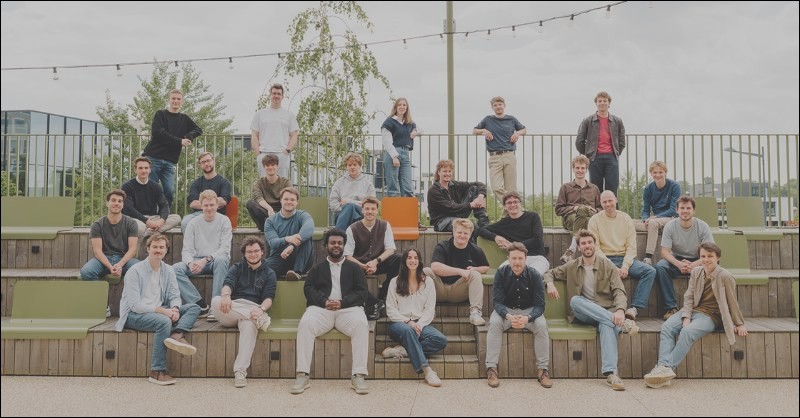
With a team of 30 people, Polysense collaborates with notable clients like Agristo, Poppies Bakeries, and Darta. Their technology not only improves efficiency; it also aids in reducing food waste, an issue that plagues the food production sector. In the EU, food production alone is responsible for 19% of total food waste, primarily due to inconsistencies in raw materials which can lead to damaged or discarded products.
Polysense’s founders, De Munck, Lucas Van Dijck, and Jarne Bogaert, began working together while studying engineering at Ghent University. Their startup focuses on three key areas:
- Polysense Qualify – Provides constant inspections to detect quality issues quickly.
- Polysense Platform – Aggregates data for better oversight of production quality and efficiency.
- Polysense AutoControl – Adjusts machine settings in real-time to adapt to varying ingredient conditions.
Van Dijck expressed pride in the team’s accomplishments, stating, “For the first time, food manufacturers have a system that inspects every product in real time and corrects processes autonomously, significantly enhancing quality control.”
Polysense distinguishes itself by offering automated solutions that adjust machinery rather than merely flagging issues. This proactive approach aims to minimize waste, setting them apart from competitors that focus primarily on identifying defects.
Investors are taking note of Polysense’s potential. Angela Chou from Felix Capital remarked that they had been exploring opportunities in the food value chain before discovering Polysense. “We saw great potential in their team and the solutions they bring to major food manufacturers. We’re thrilled to be part of their journey,” she stated.
This new funding will allow Polysense to broaden its operations and reach even more production lines, potentially changing how food manufacturing tackles waste and efficiency. As the industry progresses, it will be interesting to see how Polysense maintains its competitive edge among larger automakers also targeting the reduction of food waste.
