
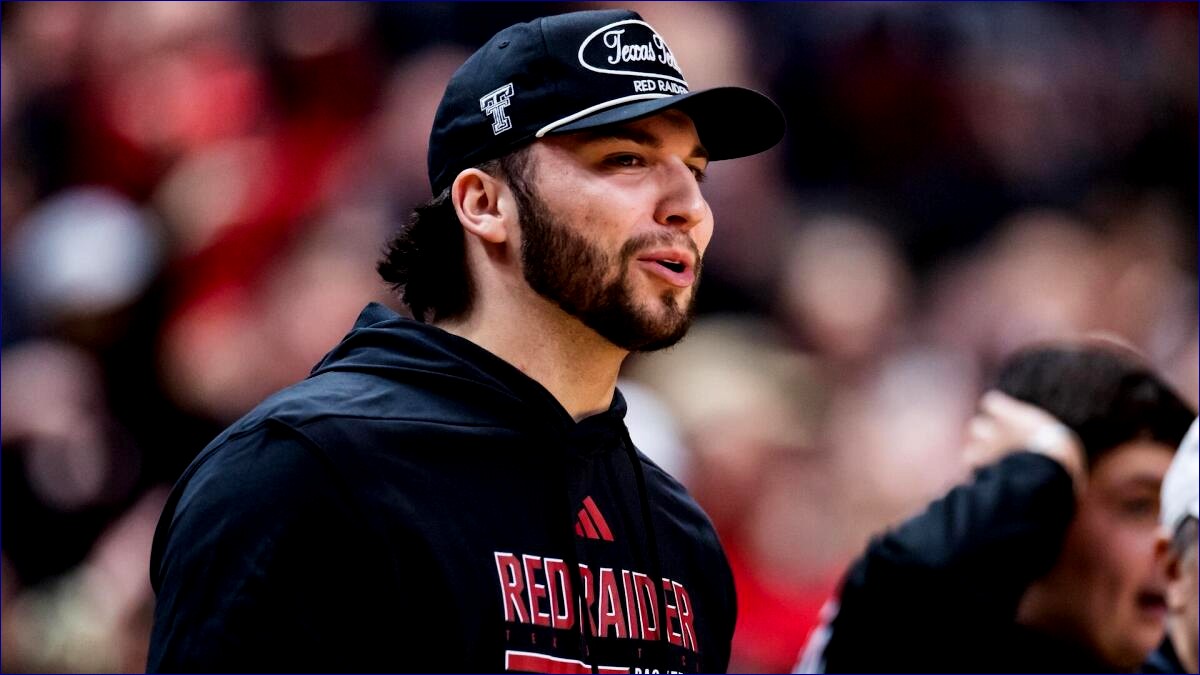
The Big 12 Conference has taken a significant step by filing a legal complaint against Texas Tech. This action aims to solidify its authority to enforce conference rules if the school decides to play quarterback Brendan Sorsby this season. The situation has led to a unique legal conflict between the conference and one of its member schools.
The complaint, which spans 47 pages and was filed in the Northern District of Texas, lists Texas Tech along with the Texas Tech University System, Texas Attorney General Ken Paxton, and several university officials as defendants. The conference is seeking a court declaration to affirm its right to self-govern without interference.
The core issue involves Texas Tech’s plan to play Sorsby, who has acknowledged participating in illegal betting on college football games, including those that involved his own team during his time at Indiana. Initially deemed permanently ineligible by the NCAA, a Texas court later granted a temporary injunction allowing him to return to play.
The Big 12 is not disputing this court decision but is concerned that the ongoing legal matter may hinder its ability to enforce its own rules. The conference insists it must protect its right to impose sanctions on Texas Tech.
In its complaint, Big 12 leaders have already discussed potential penalties if Texas Tech proceeds with playing Sorsby. Possible sanctions could include fines or even disqualification from the Big 12 Championship Game.
After a recent meeting of the Big 12 Board of Directors, no decisions were reached. However, the conference reiterated its stance that member schools should refrain from using players who have been involved in betting on their own games. Concerns have also been raised about the damage to the league’s reputation and integrity if Sorsby plays.
The filing suggests the issue is about governance rather than eligibility, stressing the need for a federal court ruling that confirms the Big 12’s authority to enforce its rules without fear of retaliation from state laws.
Interestingly, the complaint also highlights a rare consensus within college athletics, indicating that most agree universities should not field players who have engaged in betting on their own games.
This lawsuit follows a warning from the Attorney General’s office that any sanctions imposed by the conference could potentially breach antitrust laws. The Big 12, however, disagrees with that interpretation.
As the case moves to federal court, the Big 12 hopes to clarify its rights to act according to its bylaws while the legal issues surrounding Sorsby’s eligibility are being resolved.
