
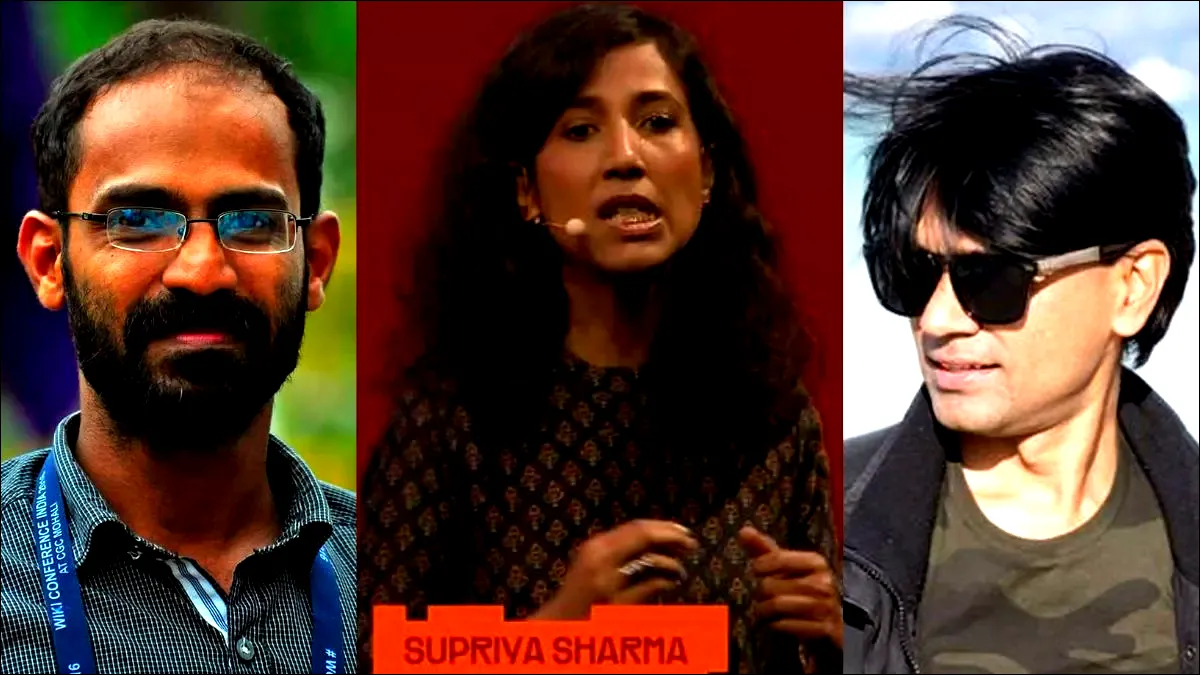
Supriya Sharma’s Speech at the Oslo Freedom Forum: A Simplified Overview
When Supriya Sharma, the Executive Editor of Scroll.in, took the stage at the Oslo Freedom Forum, her intent went beyond delivering words. She presented a view of India—its judiciary, laws, journalists, and minority communities—designed for an international audience that can influence diplomatic perspectives. Her speech, titled “In India, Prime Minister Modi has ensured media is on his side,” was articulate and crafted, but it was selective when compared to the actual legal situation in India.
The Oslo Freedom Forum: Who’s Behind It?
The Oslo Freedom Forum doesn’t claim to be neutral. It’s organized by the Human Rights Foundation (HRF), based in New York, with funding from sources like the Thiel Foundation, which is backed by billionaire and venture capitalist Peter Thiel, along with the Royal Norwegian Ministry of Foreign Affairs and others. The HRF focuses on what it calls “authoritarian regimes,” influencing the types of stories and testimonies it collects.
Speakers at Oslo are expected to share personal stories, often favoring short narratives over in-depth policy discussions. India, a democratic nation of over a billion people with its complex mix of media viewpoints, doesn’t neatly fit into this framework, yet Oslo still aims to categorize it that way.
Highlighted Cases: Siddique Kappan and Mohammed Zubair
Siddique Kappan
Kappan, a journalist, was arrested while trying to cover a gang-rape case and spent almost two years in jail without bail. Human rights organizations labeled him as a prisoner of conscience. However, he was arrested alongside K.A. Rauf Sherif of the Campus Front of India, and the charges against them included potential links to terror funding.
Claims from the Uttar Pradesh government suggested Kappan had strong ties to the Popular Front of India (PFI), which was later declared an unlawful organization. While he did receive bail in September 2022, it was noted that this wasn’t an acquittal but rather due to the length of his detention and ongoing legal proceedings.
Mohammed Zubair
Zubair, co-founder of Alt News, was framed as another journalist targeted for exposing hate speech. His arrest in June 2022 stemmed from a tweet from 2018, which raised religious tensions. Although the Supreme Court granted him bail, further legal issues arose, including new allegations against him. Authorities are investigating multiple complaints suggesting a pattern of behavior that incited communal unrest.
While the Supreme Court intervened in Zubair’s favor in several cases, the complexity of his legal battles doesn’t fit neatly into the victim narrative presented by Sharma.
The Bigger Picture: Funding and Influence
Scroll.in is owned by Indian stakeholders and follows local media regulations. Yet, it operates within an international framework of awards and funding that support specific narratives. For instance, Alt News has received recognition from various Western organizations.
This creates a feedback loop: journalists highlighted by groups like CPJ are invited to Oslo, which then leads to reciprocal recognition, often skewing international perceptions of India’s press freedoms. The result is a portrayal that may overlook vital aspects of India’s democracy and its judicial system, which, despite challenges, still supports free expression.
What Didn’t Get Highlighted in Oslo
India’s 2024 election saw the ruling BJP lose its majority and form a coalition government, contradicting the idea of an authoritarian regime. During this period, judicial actions like granting bail to Kappan and overturning further investigations into Zubair showed the courts acting independently rather than merely following the government’s wishes.
While there are legitimate issues concerning media freedom in India, the narrative presented at the Oslo Forum didn’t fully capture the complexities or the positive strides made by the judiciary.
Closing Thoughts
Sharma concluded her speech with a plea: “If you care for democracy, support us.” This statement sheds light on the financial dynamics influencing many media outlets and NGOs in developing countries. Critics argue that this leads to a tendency for local activists to shape their reporting to echo Western concerns about democracy.
As international forums amplify these curated stories, there’s a risk of missing the fuller, more nuanced picture of India’s socio-political landscape, which includes the strengths and setbacks of its democratic institutions.
