
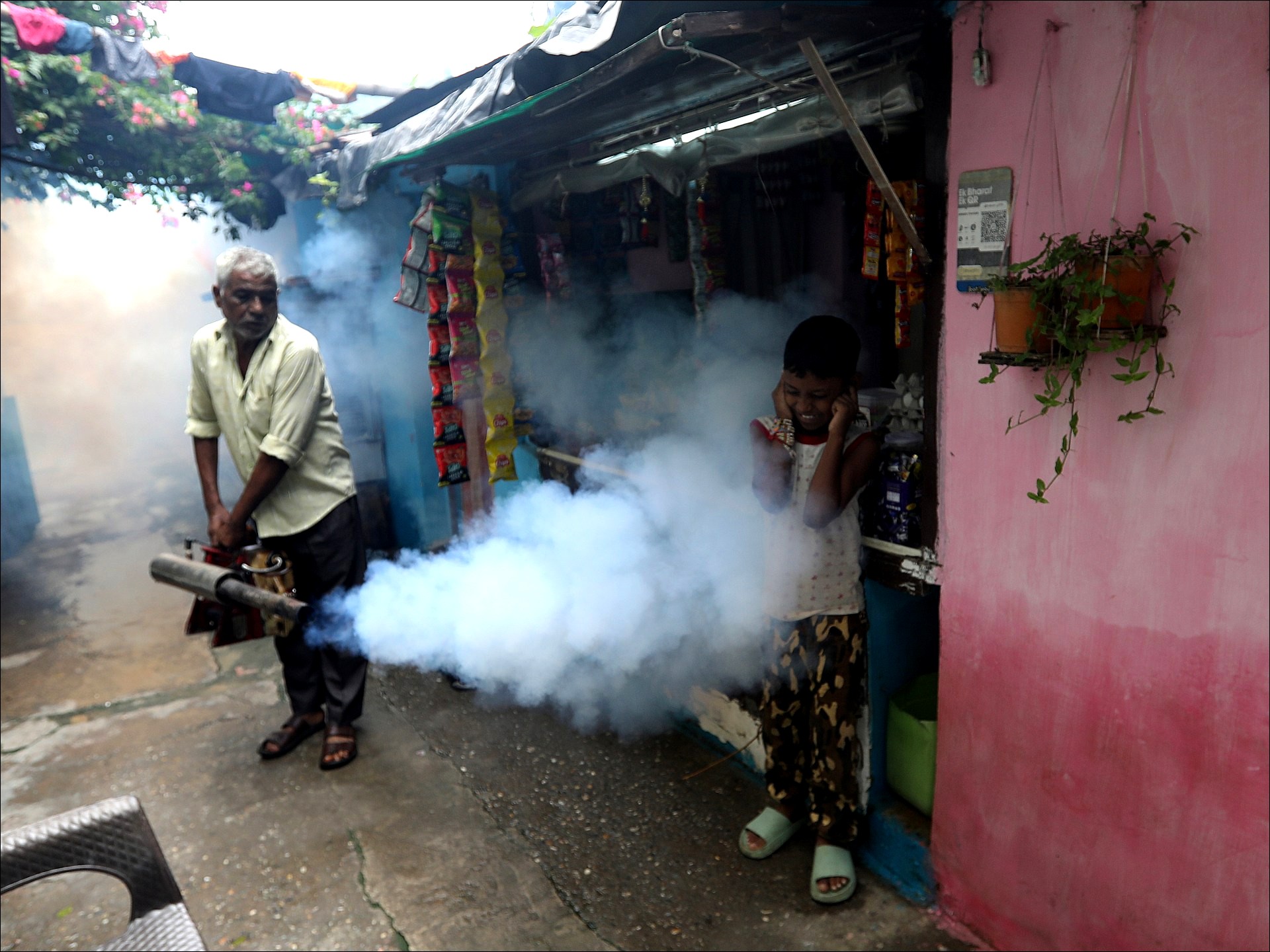
Gurugram, India — Nitin Sharma, a 32-year-old software engineer from Gurugram, didn’t think about dengue when he developed a high fever in May. With the monsoon weeks away, he and many others in India believed dengue was only a concern during the rainy season. So, when he began experiencing headaches, body aches, and fatigue, he thought it was just a typical viral infection.
“I thought it was just a seasonal fever,” Sharma explained. “No one in my family even considered dengue since it wasn’t monsoon yet.”
However, a blood test revealed that he had dengue fever, and he spent nearly two weeks away from work as he struggled with weakness even after the fever passed.
“What surprised me most was the timing,” he said. “In the past, if someone had a fever in April, dengue wouldn’t even be on our minds.”
Changing Patterns of Dengue
Sharma’s experience is increasingly common, as doctors in India report a rise in dengue cases well before the official start of the monsoon. This shift indicates changes in how dengue, a widespread mosquito-borne illness, behaves in the country.
Health experts say factors like rising temperatures, unpredictable rainfall, and rapid urban growth are allowing dengue-carrying mosquitoes to thrive in new places and times. They warn that dengue is no longer just a seasonal threat.
“Dengue is no longer limited to the post-monsoon period,” said Dr. Harshdeep Joshi, an expert in Community Medicine. “We’re seeing cases outside the traditional season. The window for transmission is expanding.”
Historically, dengue outbreaks would peak during the monsoon, but that pattern seems to be fading. Even before this year’s rains began, hospitals across various cities reported an uptick in suspected dengue cases.
According to the National Center for Vector Borne Diseases Control (NCVBDC), India had already recorded over 6,900 dengue cases by the end of February 2026 — signaling unusually early activity. For context, there were around 6,800 cases for the entire January to May period in 2021 and over 10,000 in 2022.
This increase suggests dengue is spreading earlier and more persistently throughout the year compared to the past.
A Growing Concern
The southern state of Tamil Nadu reported the highest number of infections this year, followed by Maharashtra, Kerala, and Karnataka. These regions often experience warmer climates and more conducive conditions for mosquito breeding.
Official statistics indicate that dengue cases in India have remained high, with major burdens in recent years. In 2023, for instance, the country recorded nearly 290,000 infections and 485 deaths, marking a significant public health challenge.
Experts believe that while large outbreaks can increase immunity in populations, they don’t reduce the continual threat of dengue, which is expanding its seasonal and geographical reach.
Doctors now say that health measures that once began only during the rainy season must start earlier.
“The preparation used to be mainly for the monsoon months,” said Dr. SM Kadri, a public health consultant. “Now, vigilance is necessary throughout the year.”
Climate’s Impact
Recent studies highlight how climate change and air pollution could worsen dengue’s effects. A study found that higher levels of fine particulate air pollution were linked to increased dengue death rates. Areas with high pollution reported significantly worse outcomes for those infected with dengue.
Another research project indicated that climate factors like temperature and rainfall affect how dengue spreads. The combination of high temperatures, humidity, and even rainfall patterns plays a crucial role in mosquito breeding.
Vaccination Efforts
In response to these growing challenges, India is speeding up its vaccine development initiatives. The government recently approved Takeda’s dengue vaccine, known as Qdenga, while other companies are also conducting clinical trials for indigenous vaccines.
Experts believe these efforts could give rise to an effective vaccine against all four types of the dengue virus.
However, health officials stress that vaccines alone won’t solve the dengue problem. Effective vector control and public awareness will remain vital components of any strategy to combat this disease.
Back in Gurugram, Nitin Sharma’s experience has led him to take dengue more seriously. He now keeps mosquito repellents handy year-round and regularly checks for standing water in and around his house.
“It feels like the disease could strike at any time now,” he said.
