
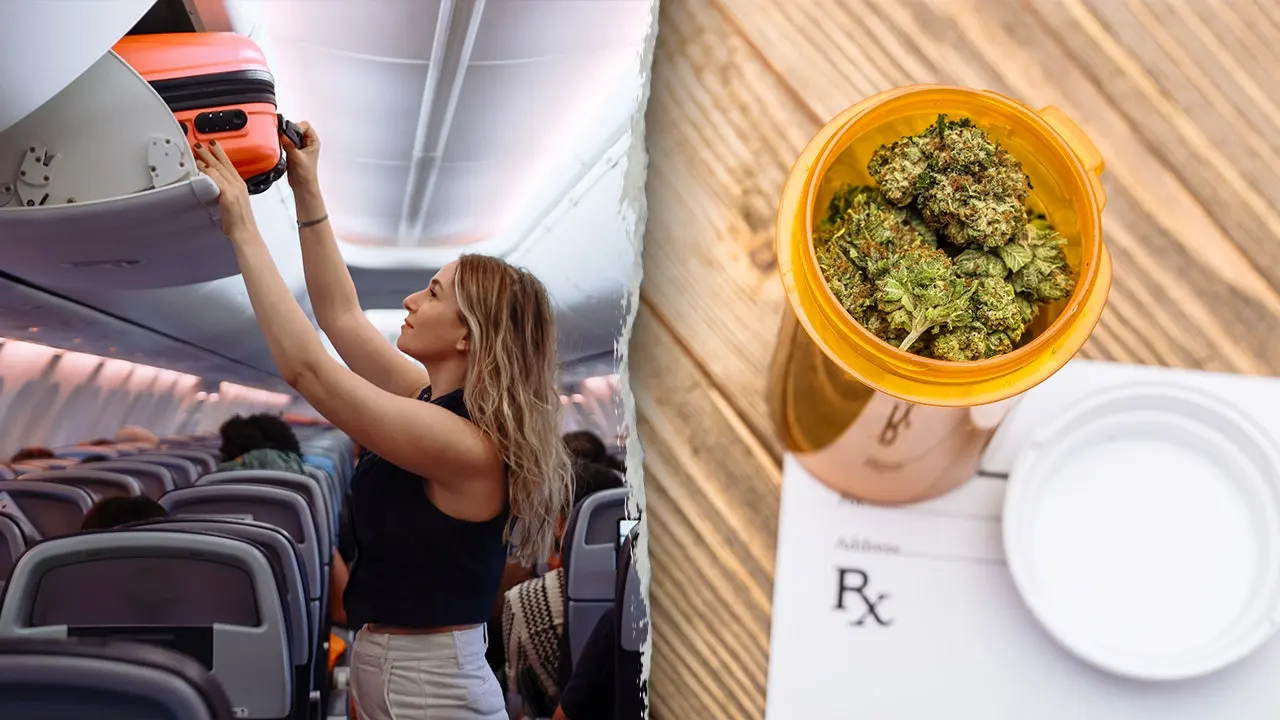
The Transportation Security Administration (TSA) has recently revised its guidelines regarding medical marijuana. These updates are reflected in their “What Can I Bring?” list, which provides clearer instructions for both carry-on and checked luggage.
Patients who rely on cannabis for managing chronic conditions such as pain, anxiety, or nausea can now take their medication with them when they travel, provided they use it only at their destination. Experts recommend that individuals wait until they land to use their cannabis, keeping the treatment and travel experiences separate.
Rob Mejia, a professor at Stockton University and author of “The Essential Cannabis Book,” emphasizes that the main goal for most patients is not to consume cannabis while flying but to ensure they have access to their medicine upon arrival.
Airlines prohibit smoking and vaping on planes, and consuming edibles can also be unpredictable. While some experienced users might opt for a low-dose edible to ease flight anxiety, Mejia warns against trying new products or dosages during a flight, as this can lead to uncomfortable experiences, especially for less experienced users.
Research from the American College of Cardiology shows that cannabis can significantly affect heart rhythm and oxygen demand in the body. This effect, combined with the way altitude impacts the body, could lead to serious cardiovascular issues while in flight.
Using cannabis in an airplane setting may not only fail to relieve travel stress but could instead cause symptoms like severe nausea or hyperventilation, particularly if taken in high doses or unfamiliar products.
Mejia emphasizes that continuity of care during travel is crucial. For many patients, cannabis is their primary treatment, so preparation is vital before traveling. He warns that understanding local laws about cannabis is essential, as regulations can vary significantly.
It’s important to remember that while TSA focuses on security threats and not specifically on cannabis, travelers can still face legal issues if their cannabis is not stored properly. Having cannabis that is professionally packaged can help minimize questions from security personnel. If an item raises suspicion, TSA agents are empowered to involve law enforcement.
Traveling with cannabis can be complicated, especially internationally. Mejia advises leaving cannabis at home when flying abroad, as the laws differ greatly from those in the U.S., and visitors can encounter strict regulations even in countries where cannabis is legal.
As cannabis use rises among seniors and others for various health reasons, keeping informed about laws and regulations is essential for anyone considering traveling with marijuana.
