
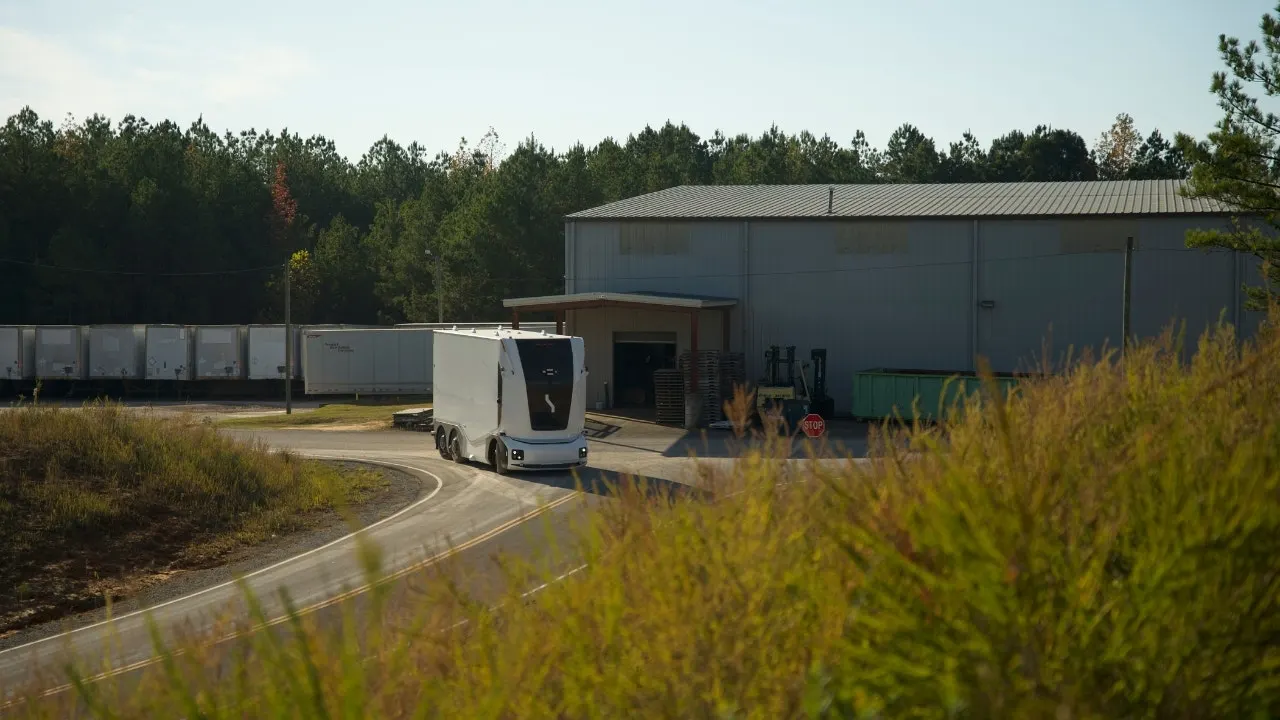
Driverless Trucks Hit the Roads in Ohio
This summer, Marysville, Ohio, is witnessing a new era in transportation with the introduction of driverless trucks. EASE Logistics, a local logistics company, has teamed up with Einride, a firm specializing in autonomous truck technology, to roll out two innovative electric trucks that don’t have traditional cabs or drivers.
What Are Cab-less Electric Trucks?
These trucks are distinct from conventional vehicles since they are both fully electric and autonomous, meaning they can drive themselves without a human operator inside. Designed using advanced SAE Level 4 technology, they’re set to handle specific driving tasks independently. However, a remote operator will keep an eye on them from another location and can step in if necessary, ensuring safety throughout the operation.
Where Will They Operate?
The trucks will transport goods between EASE’s warehouse locations in Marysville, running on both private property and local public roads throughout the summer. This project, part of the Ohio Department of Transportation’s Truck Automation Corridor initiative, aims to gather data on how these trucks perform in real-world logistics environments.
Why Ohio?
Ohio has become a hub for testing autonomous vehicle technology. This project is an extension of efforts by the Ohio Department of Transportation and the Indiana Department of Transportation to evaluate the impact of automated trucking on safety, efficiency, and operations. EASE’s CEO expressed pride in advancing this technology, highlighting the project’s potential to integrate autonomous trucking into everyday logistics.
Is It Safe?
Concerns about safety are natural when it comes to driverless vehicles. These trucks are large and operate in public spaces, making public trust essential. Einride’s CEO assures that safety is a primary focus, stating that years of testing and development have gone into these vehicles. Furthermore, remote operators will be ready to intervene, which is designed to help the trucks operate smoothly.
Why Companies Are Interested
For logistics firms, the advantages of electric autonomous trucks are clear. They promise reduced emissions, better scheduling, and improved coordination between warehouses. Starting with short routes allows these companies to gather valuable data and refine their operations before moving on to longer hauls.
The Future of Trucking
The transition to autonomous trucking is underway, but public confidence must be earned. This pilot in Ohio offers a glimpse into how driverless freight could look in real life. The cab-less design indicates a substantial shift in how trucks could function moving forward.
What Does This Mean for You?
Even if you don’t live near Marysville, this initiative is significant for the future of transportation. If successful, more companies could adopt autonomous trucks for local routes, impacting how goods are delivered to stores and homes.
Importantly, this development raises questions about job security for drivers and warehouse workers. As companies may need more tech-savvy personnel to manage and maintain these autonomous systems, workers will seek clarity on the future job market.
As consumers, trust in these vehicles will be critical. Clear communication about safety measures and protocols will be essential as autonomous trucks begin sharing the road with traditional vehicles.
In conclusion, while the idea of cab-less electric trucks may seem daunting, their pilot in Ohio marks an exciting step toward the future of freight transportation. As the project unfolds, the trucking industry could undergo significant changes that reshape logistics as we know it.
