
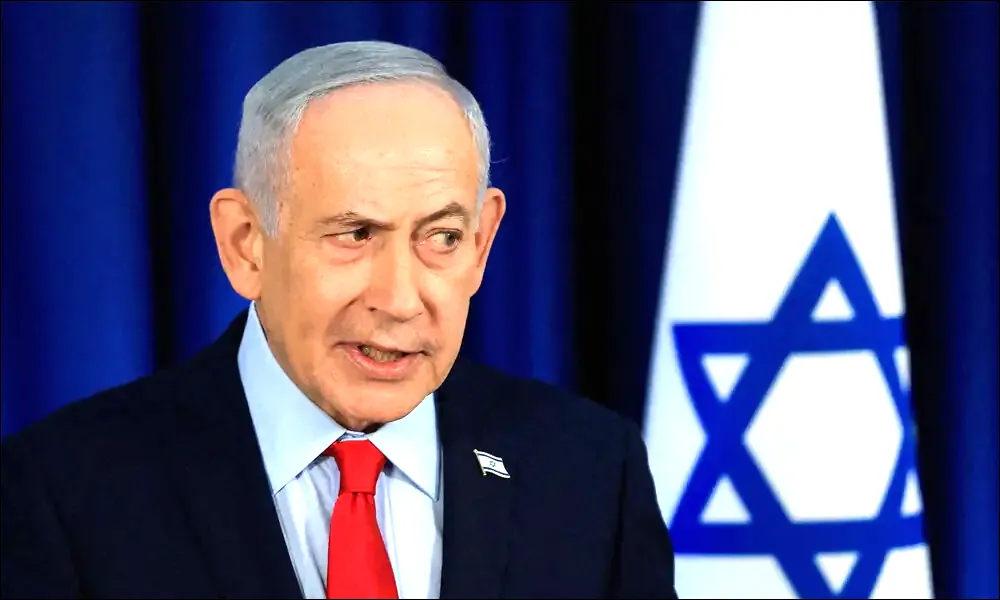
Israel to Intensify Strikes Against Hezbollah, Netanyahu Announces
JERUSALEM: Prime Minister Benjamin Netanyahu declared on Monday that Israel will increase its military actions against Hezbollah in Lebanon. This comes as a US official reported that the militant group has disregarded requests to stop its attacks on Israel, creating tensions that could complicate US-Iran negotiations.
Despite an agreed truce on April 16 intended to curb the conflict, Israel and Hezbollah have continued their exchanges of fire. Iran has insisted that Israel cease its attacks in Lebanon as a prerequisite for negotiations to resolve the wider conflict.
During a phone call with President Donald Trump, Netanyahu reaffirmed that Israel remains entitled to respond to threats from any front, including Lebanon. In a video shared on Telegram, he stated, “We are at war with Hezbollah, and we will intensify our strikes.”
Fleeing Beirut
As Netanyahu’s message circulated, reports indicated that residents in southern Beirut began to evacuate due to fears of renewed Israeli bombardment. The Israeli military has maintained a significant presence in southern Lebanon since the truce, conducting airstrikes on what it claims are Hezbollah positions and demolishing towns where the militia operates.
Hezbollah has launched explosive drones targeting Israeli forces, resulting in the deaths of at least 11 Israeli soldiers since the cessation of hostilities. In contrast, the World Health Organization reported over 600 casualties in Lebanon due to Israeli strikes.
Impact on Peace Talks
The ongoing tension raises questions about the impact on negotiations between Israel and Lebanon, which are being facilitated by the US. While Netanyahu did not commit to attacking Beirut specifically, the Israeli military has targeted Hezbollah sites in eastern Lebanon recently.
A US official noted that Hezbollah has ignored multiple warnings to halt its assaults on Israel, suggesting the group is attempting to disrupt diplomatic discussions by launching rockets and drones.
Some members of Netanyahu’s cabinet urged a more aggressive stance, including targeting Beirut in retaliation for the drone attacks. Finance Minister Bezalel Smotrich expressed that for every drone attack, there should be a corresponding response in Beirut.
On the other hand, Hezbollah’s deputy leader, Naim Qassem, criticized the Lebanese government and encouraged public dissent but stopped short of calling for direct action from Hezbollah supporters.
As tensions continue to rise, the situation remains fluid and complicated by broader international negotiations involving Iran and the US.
