
Arson Attacks Highlight Challenges in Congo’s Ebola Crisis
KINSHASA, Congo — Recent arson attacks on Ebola treatment centers in eastern Congo reveal the significant struggles that authorities face in addressing an outbreak of the disease, now deemed a global health emergency.
As of Sunday, officials reported that suspected Ebola cases in the eastern region have surged past 900, particularly concentrated in Ituri Province, where the outbreak began.
The destruction of treatment centers in two towns last week reflected the deep frustration within local communities. This area, already plagued by violence from armed groups, has seen many people displaced due to conflict, alongside a lack of support from local governments and international aid cuts that experts say have weakened health services.
“A series of emergencies are converging,” noted the Physicians for Human Rights organization.
The Context of the Crisis
Eastern Congo has long been troubled by numerous rebel and militant groups, some with international ties or linked to extremist organizations. The M23 rebels, supported by Rwanda, control parts of the region. Although the Congolese government maintains some authority over Ituri Province, this control is precarious. The Allied Democratic Forces, a Ugandan militant group affiliated with ISIS, have been responsible for numerous violent acts against civilians.
Before the current outbreak, Doctors Without Borders reported an increase in insecurity within Ituri, leading to healthcare workers fleeing and leaving facilities overwhelmed and in dire conditions.
According to the U.N. humanitarian office, nearly a million people have been displaced by ongoing conflicts in Ituri. This complicates the ongoing Ebola outbreak, affecting communities that are already vulnerable.
Concerns are rising about the disease spreading to large displacement camps near Bunia, where initial cases were reported.
The Congolese Ministry of Communication announced on Sunday that the number of suspected Ebola cases has risen to 904, up from the previously reported figures. Additionally, they noted a troubling count of suspected deaths that requires clarification, as reported numbers varied.
Cases have also appeared in neighboring provinces and even in Uganda, complicating the response further as multiple authorities, including rebel leaders and various aid agencies, engage in managing the outbreak.
Impact of Aid Cuts
International aid cuts from the United States and other wealthy nations have critically impacted the region’s response to the ongoing crisis. Experts emphasize that these reductions hinder the ability to detect and respond to disease outbreaks effectively.
“The cuts have significantly weakened our capacity,” stated Thomas McHale, a public health director at Physicians for Human Rights. Congo has dealt with numerous Ebola outbreaks in the past.
Aid groups on the ground report severe shortages of essential equipment, such as protective gear for health workers and materials for safe burials, which are crucial given the highly contagious nature of the virus.
“We have reached out for help, but have yet to receive adequate support,” said Julienne Lusenge, president of a local aid organization operating near Bunia, highlighting the lack of hand sanitizer and masks for staff.
Community Backlash and Response Measures
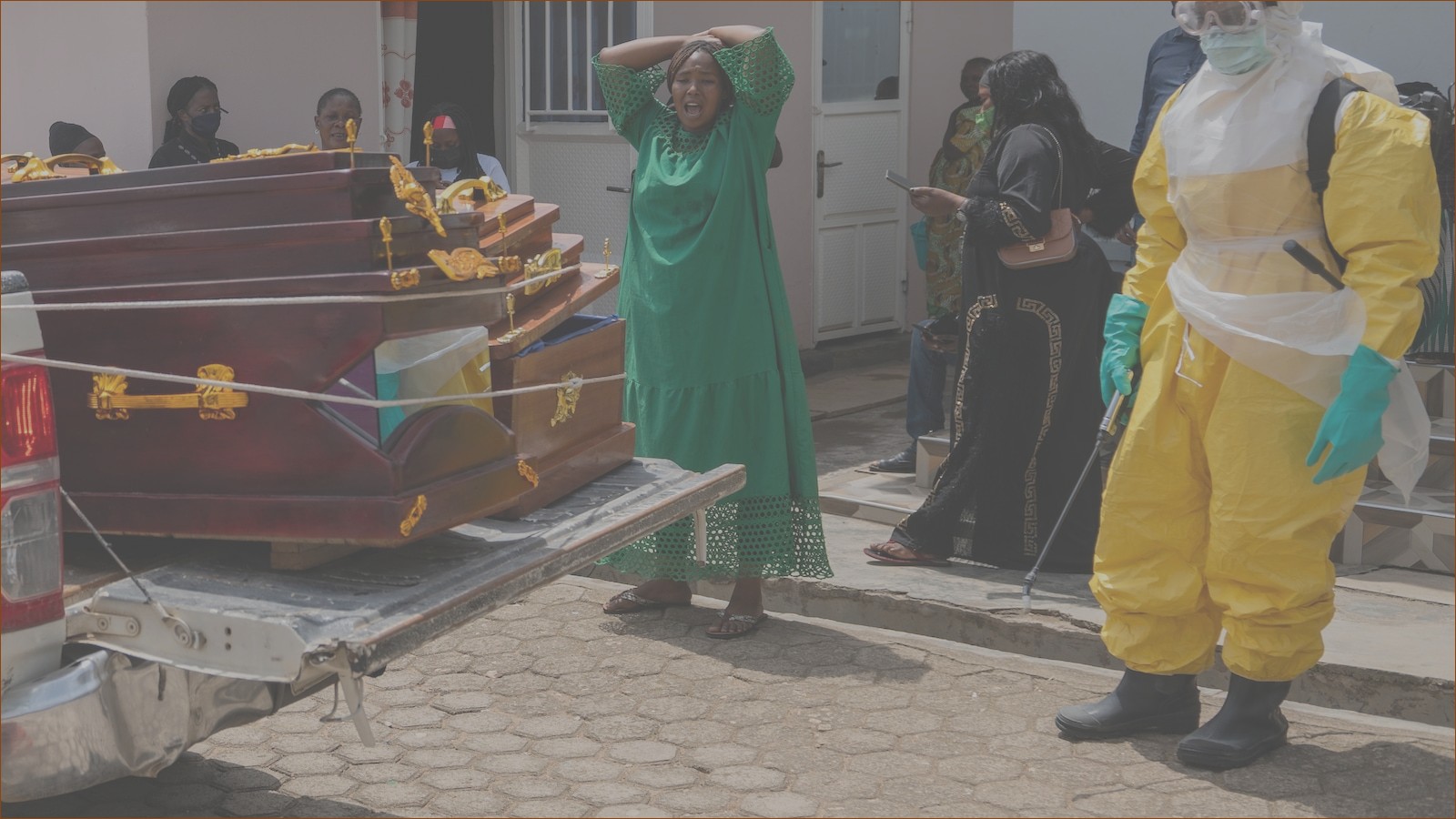
The local discontent has been evident, particularly with the strict protocols around burying suspected Ebola victims, which authorities are attempting to enforce to curb the spread of the virus.
Witnesses indicated that the initial burning of a treatment center in Rwampara was sparked by local youth trying to reclaim a friend’s body, fueled by suspicions about the information provided by aid workers.
In response to these challenges, northeastern Congo has implemented bans on funeral wakes and gatherings exceeding 50 people. Additionally, armed forces are now overseeing some burials conducted by aid organizations.
As officials navigate through these complex issues, the situation remains dire, emphasizing the urgent need for increased support and collaboration to tackle both the Ebola outbreak and the underlying crises affecting the region.
