
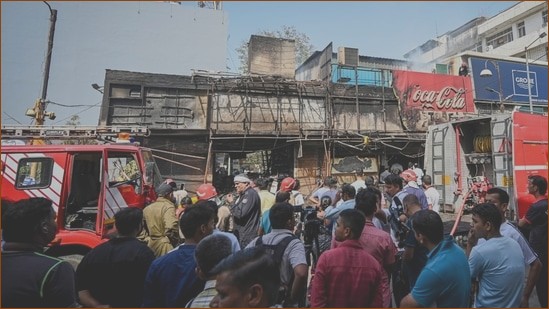
Delhi Fire Services Seek Urgent Increase in Staffing
The Delhi Fire Services (DFS) has reached out to the Delhi government, highlighting a critical shortage of over 6,600 personnel, which amounts to a staggering 72.5% shortfall against the needed 9,123 firefighters. This information comes from documents gained by our sources.
The proposal sent to the state’s home department emphasizes the need for more staff based on the grueling 24-hour shifts that firefighters currently work. These long hours are significantly above the 8-hour shifts recommended by the Fire Safety Council, which aim to reduce fatigue and enhance efficiency.
Chief Fire Officer AK Malik has confirmed the existence of this proposal. A senior official from the fire department noted that while an ideal shift system is preferred, the lack of staff puts immense pressure on current personnel, who must respond to emergencies without pause.
While a decisive response from the government is pending, there has been verbal support for the proposal. Delhi’s Home Minister Ashish Sood mentioned, “We are collaborating with the fire department to establish a 25-year firefighting master plan. Meeting the staffing, equipment, and other needs will be prioritized to ensure the safety of Delhi’s residents.”
Fires in factories, warehouses, and residential areas have become more frequent, especially during the hot summer months when electricity use surges. Currently, the DFS consists of around 2,500 personnel operating within 71 fire stations. The projected requirement based on a 24-hour shift system is 9,123 personnel, but under an 8-hour shift model, this number rises to about 27,369, revealing a shortage of 24,869 personnel.
Delhi is authorized for a total of 120 fire stations, of which 49 are still under construction. The full complement of staff needed would total 48,000 operators, as specified by the Standing Fire Advisory Council under the Ministry of Home Affairs.
This staffing shortage hampers various firefighting operations, including response time, routine inspections, and training. According to another official, during significant fires, firefighters from various stations are often called in, leading to exhausting conditions, especially in the summer.
The rapid expansion of the city and the challenges in high-density neighborhoods—such as narrow roads and illegal parking—further complicate emergency responses. The DFS continues to operate despite limited staff, with personnel frequently extending their working hours.
Plans for increasing staffing levels are also connected to future needs for the city’s infrastructure, which anticipates 120 fire stations. Currently, many areas still depend on distant units for emergency responses due to a lack of dedicated facilities.
Officials stress that increasing staff numbers would not only allow for better shift systems but also improve response times and overall preparedness during large emergencies.
