
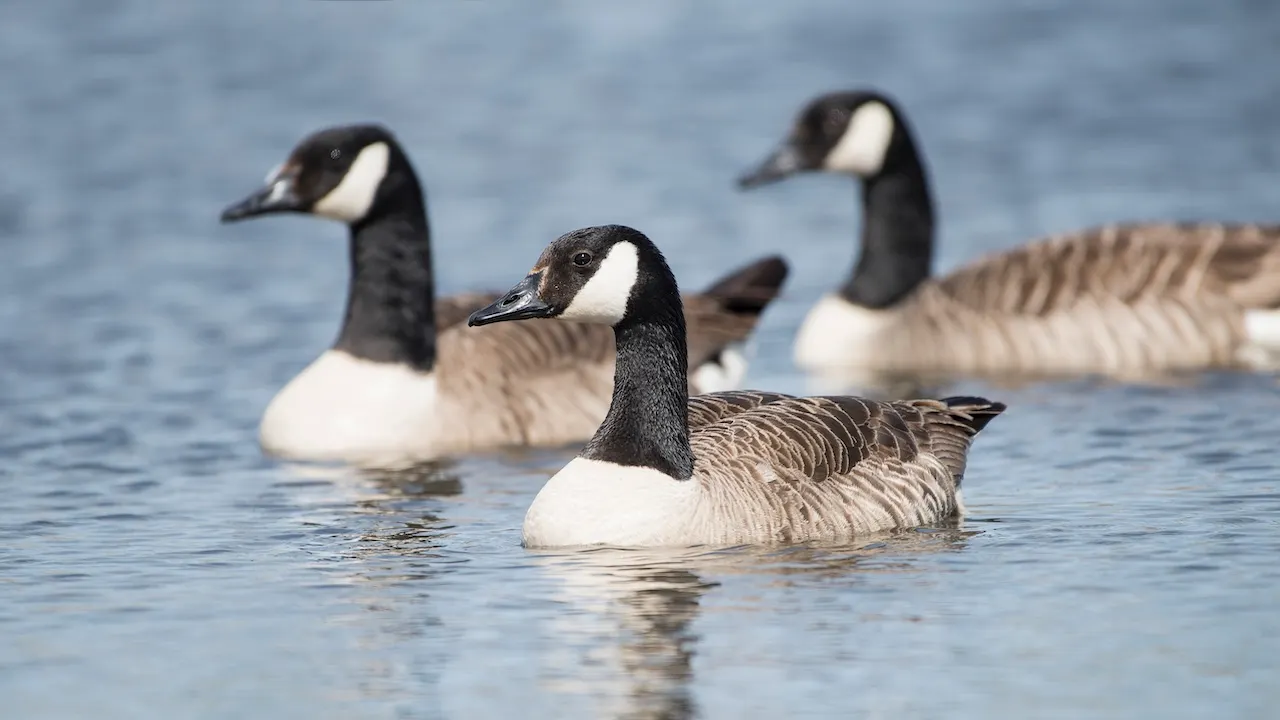
Bird Flu Suspected in Mass Goose Deaths in New Jersey
New Jersey is facing a troubling situation as hundreds of geese have been reported dead, with bird flu being a major concern. Between February 14 and 16, over 1,100 wild birds, mostly Canada geese, were found either dead or sick across seven counties, according to the New Jersey Department of Environmental Protection (DEP).
While tests are still being conducted, officials believe the likely cause of the deaths is highly pathogenic avian influenza (HPAI), commonly known as bird flu. This disease affects birds and is caused by certain strains of influenza A viruses.
David J. Cennimo, an infectious disease expert at Rutgers New Jersey Medical School, expressed his concern, stating, “The sight of these dead and sick birds is very troubling. It serves as a reminder that bird flu is still a threat.” He emphasized that, although the cause has yet to be definitively confirmed, the symptoms point strongly to avian influenza.
In light of the situation, some local parks, including Betty Park and Alcyon Park in Gloucester County, have temporarily closed to protect the public. The Borough of Pitman has advised residents to avoid approaching any geese in the area.
Common signs of HPAI in birds include coughing, sneezing, and lack of coordination. However, some birds may die from the virus without showing any obvious symptoms, which raises further alarm.
While Canada geese account for most of the reported cases, the bird flu also poses a threat to other poultry, including chickens and ducks.
Although health officials say the risk to humans remains low, they advise everyone to avoid direct contact with wild birds that might be infected. Cennimo mentioned that domestic animals should also be kept away from sick birds, as the virus can affect other species.
Rebecca Carriere Christofferson, a veterinary expert, noted that these mass bird deaths indicate an ongoing spread of bird flu, which can impact both wildlife and agricultural settings. She pointed out that bird flu has been detected in other animals, including cats and dairy cows, underscoring the importance of monitoring the virus.
Last year saw some human cases linked to bird flu, mostly from close contact with infected animals.
To help prevent further outbreaks, experts stress the need for surveillance to track the virus and limit its spread among animals and humans. The situation remains fluid, and public awareness is key to mitigating risks moving forward.
