
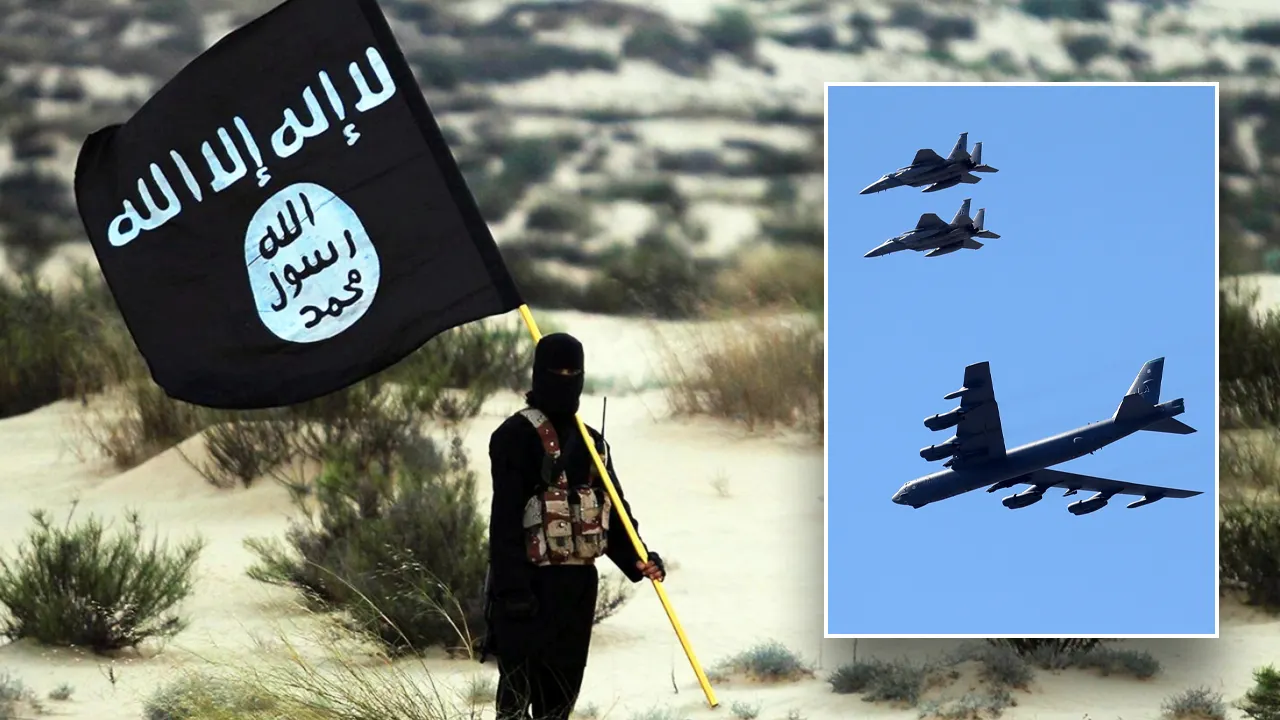
Brief: Urgent Operation to Secure ISIS Detainees in Syria
A recent effort by U.S. intelligence has aimed to prevent potentially catastrophic consequences in Syria. With around 6,000 ISIS detainees held in northern Syria, officials feared that ongoing fighting could lead to a prison break that would allow these militants to rejoin the battlefield. A senior U.S. intelligence officer warned that such an event could effectively revive ISIS.
In an exclusive discussion, the officer detailed a meticulous operation that unfolded over several weeks to swiftly transfer these detainees from Syria to Iraq. This mission involved intense diplomacy, intelligence coordination, and rapid military transport.
As fighting escalated in January, particularly in Aleppo, U.S. officials recognized the urgent need for action. The Director of National Intelligence, Tulsi Gabbard, sent teams to Syria and Iraq to negotiate the safe move of these high-risk detainees.
Authorities in Iraq were quick to recognize the dangers posed by a potential mass escape, recalling the traumatic memories of 2014 when ISIS almost overran the country. The U.S. Embassy in Baghdad played a crucial role in facilitating the operation, helping to coordinate logistics.
Using helicopters and other military resources, around 6,000 detainees were successfully relocated to a facility near Baghdad International Airport in just weeks. This operation is seen as a significant achievement, effectively keeping experienced militants from regrouping.
Moving forward, U.S. and Iraqi authorities are focused on determining the identities of the detainees, with FBI teams working to collect biometric data for future legal actions. The State Department is also encouraging countries of origin to take responsibility for their citizens held among these detainees.
However, the operation did not include families tied to ISIS, leaving a complex humanitarian and security issue unresolved. Camps like al-Hol, housing thousands of ISIS-linked women and children, remain precarious. The Syrian government has indicated it may take control of these camps, resulting in concerns about possible radicalization of the youth growing up in such environments.
Despite the challenges ahead, the rapid operation has been hailed as a rare positive development amidst the chaos in Syria, preventing thousands of dangerous militants from reentering the fight.
