
Hormel Foods Faces Challenges But Stays Focused on Protein Offerings
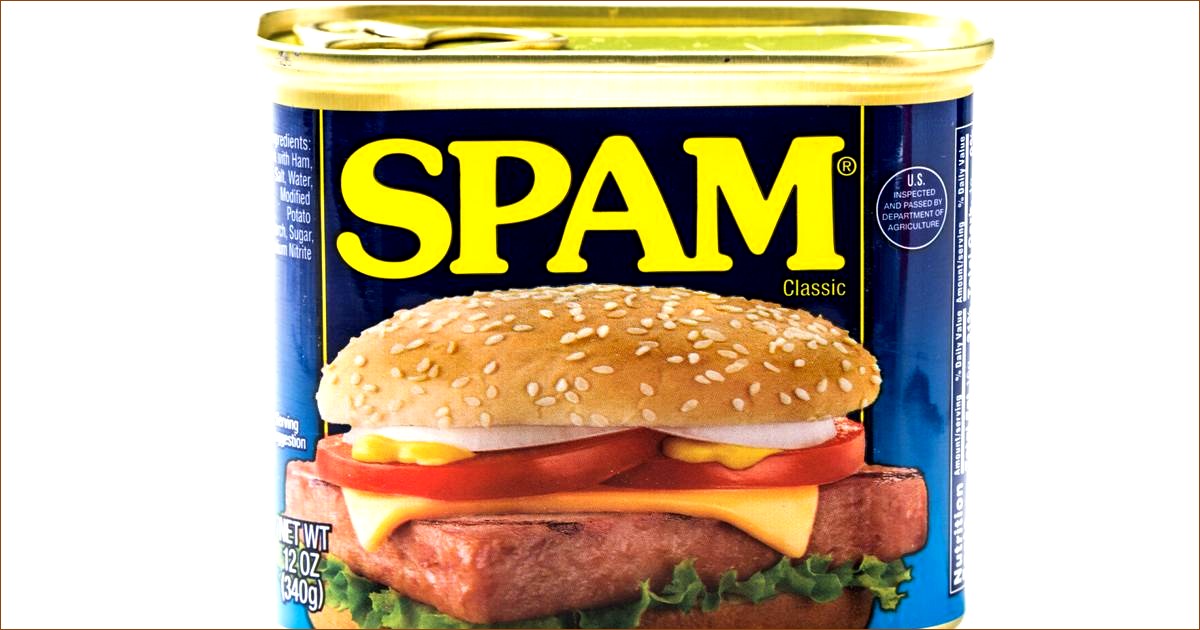
Hormel Foods is widely recognized for its pork products, especially breakfast favorites and its famed canned meat, Spam. Based in Austin, Minnesota, the Fortune 500 company has expanded its range to include deli meats from Columbus Craft Meats, healthy ground turkey options, and popular snacks like Planters nuts.
However, like many in the food industry, Hormel has faced difficulties in consistently growing sales and profits. This is partly due to rising production costs for pork, beef, and nut products. For instance, pork belly prices surged by 25% in this fiscal year alone.
Compounding these challenges, Hormel dealt with a significant fire at a Skippy Peanut Butter facility, an outbreak of avian flu leading to the loss of thousands of Jennie-O turkeys, and a recall of nearly 4.8 million pounds of chicken. As a result, Hormel’s stock has dropped about 23% this year. Nonetheless, their sales did show a slight increase in 2025, surpassing competitors like General Mills and Conagra Brands, which experienced declines.
To improve its financial standing, Hormel has resorted to layoffs and restructuring. The key question remains: how can the company better cater to protein-focused consumers?
Emphasis on Protein
Hormel takes pride in its diverse portfolio of protein products. “We appreciate our protein-centric offerings because they cover various categories, from breakfast to dinner,” said Hormel President John Ghingo. “The essential part for us is how we continue to add value for consumers and cater to their needs.”
The demand for protein has been remarkable; it plays a vital role in building muscle and supporting immune function. According to the International Food Information Council (IFIC), protein is now the nutrient most sought after by Americans. Among individuals who dieted last year, high-protein plans were the most popular.
Protein should ideally comprise 10% to 35% of daily caloric intake, as noted by the Mayo Clinic. For a person weighing 165 pounds, that translates to around 60 grams daily. Most Americans generally meet or even exceed their protein needs.
Interestingly, “a good source of protein” became the top criterion for defining healthy foods last year, surpassing other common labels like “fresh” or “low sugar.” Nutrition expert Joanne Slavin affirmed that protein is essential for daily health.
Many food brands have started adding protein to a range of products from snacks to meals, but Hormel focuses on delivering protein naturally through its offerings. “We stick to providing protein through the food itself. Additives aren’t part of our strategy,” Ghingo explained.
Rising Production Costs
Despite its strong protein-focused offerings, Hormel has faced financial hurdles. According to Pooran Sharma, a managing director for Stephens, the company’s pork segment is under strain. Hormel relies on a significant amount of purchased pork, and this year’s limited hog supply has led to increased costs.
While Sharma remains cautiously optimistic about Hormel’s long-term outlook, he warns that high costs will continue to challenge profitability. Analysts, including Kristoffer Inton from Morningstar, expect pork prices to stabilize by 2026. Some Hormel products, like Jennie-O ground turkey, continue to perform well in the market.
To regain momentum, Hormel aims to avoid product recalls and ensure consistent availability. Combined with an increased marketing focus on its core brands, this could significantly improve the company’s performance.
Competitors Responding to Demand
Other companies are also tapping into the protein trend. General Mills recently launched high-protein versions of its popular cereals and partnered with the nutrition brand Ghost for new protein bars. Tyson Foods introduced a chicken nugget product highlighting its high protein content.
Experts, including Slavin, point out that Hormel should emphasize its longstanding role in providing protein-rich foods. This strategic move could reinforce its market position.
Ghingo added that Hormel will focus on delivering easy-to-prepare meals, with products like frozen chicken breakfast sausages and pre-cooked bacon becoming a priority. He believes protein is a long-term trend, and Hormel aims to be an integral part of its consumer’s diets.
Future Outlook
As food agencies emphasize increasing meat and dairy consumption in upcoming dietary guidelines, Hormel looks to align itself with these trends. Many consumers, like 19-year-old gym goer Abdurahman Hassan, are keen on maximizing their protein intake for health and fitness and are willing to invest a bit more for quality.
Interim CEO Jeffrey Ettinger stated that Hormel is committed to focusing on its core brands while remaining a leading provider of protein. He said, “We’ve transformed from a meat company into a consumer-focused company. Unlike others, we excel by centering around protein.”
