
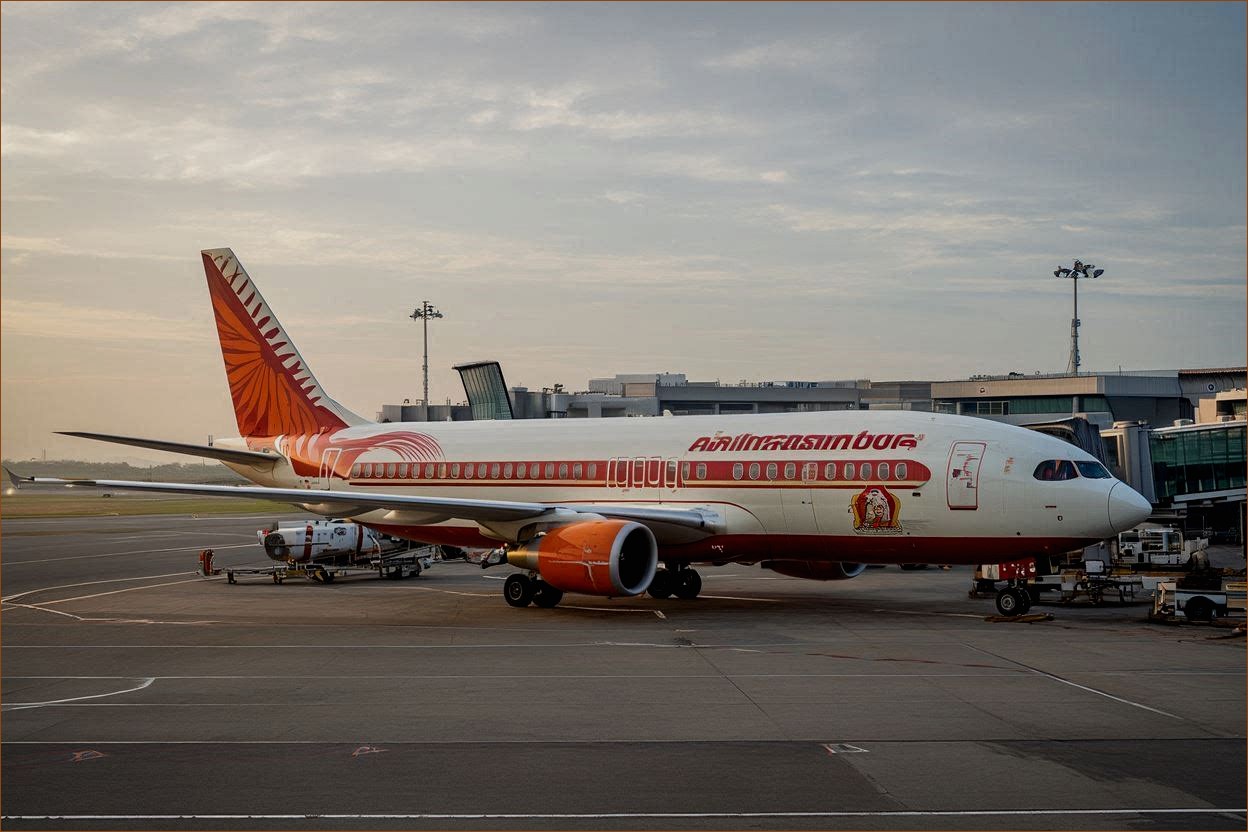
Air India Under Scrutiny Amid Rising Travel Demand
India’s national carrier, Air India, is facing increased scrutiny as the Directorate General of Civil Aviation (DGCA) investigates serious concerns regarding safety and compliance. This scrutiny comes on the heels of previous warnings about internal mismanagement. Serious allegations have emerged, including that a co-pilot flew without completing the required Pilot Proficiency Check (PPC) and that a senior captain operated with an expired English Language Proficiency (ELP) license, raising alarms about adherence to civil aviation safety standards.
These incidents have raised concerns within both India’s aviation sector and the international travel community, especially as the airline serves millions of passengers. At a time when air travel in India is booming, lapses like these could shake passenger confidence and affect the country’s image regarding aviation safety. The DGCA is now examining the airline’s scheduling and monitoring systems, with many questioning whether deeper issues within Air India’s operations are to blame.
Air India’s Challenges Continue
Once celebrated as a symbol of India’s aviation pride, Air India has frequently found itself in hot water over regulatory issues in recent years. This latest situation, uncovered in November 2025, highlights the ongoing struggle to balance rapid growth with strict safety compliance. Just a few months earlier, the DGCA criticized the airline for irregular flight scheduling and insufficient internal oversight.
Now, new evidence has emerged that some flights were staffed by pilots lacking valid licenses or necessary updates. This is particularly troubling given Air India’s many international routes, which connect India to destinations in Europe, North America, and Asia. For both travelers and regulatory bodies, these findings raise concerns about the airline’s internal safety protocols.
Concerns Over Pilot Proficiency
A key issue in this unfolding drama involves a co-pilot for an Airbus A320 who reportedly flew without passing the bi-annual PPC, which is essential for ensuring pilots are up-to-date with aviation standards. This failure to meet regulatory requirements not only raises safety concerns but also questions the efficacy of Air India’s internal monitoring systems.
Oversights like this can undermine passenger trust, as aviation safety relies heavily on continuous training and certification processes. The DGCA has condemned the incident, asserting that no pilot should take to the skies without completing all necessary checks. The airline’s scheduling department has been criticized for allowing such a significant mistake to occur unaddressed until regulatory inspectors intervened.
Expired License Adds to Worries
In another troubling event, a senior captain was discovered to have operated flights with an expired English Language Proficiency (ELP) license. Pilots must meet specific language standards to communicate effectively, especially in international airspace. An expired ELP license represents more than a simple oversight; it poses significant safety risks, particularly when communicating with air traffic control.
Initial findings from the DGCA suggest that Air India’s processes for verifying pilot licenses may need stricter oversight, allowing these lapses to occur unnoticed. In response, the airline has grounded the captain involved and started disciplinary measures.
Air India’s Response
Following these revelations, Air India announced that the affected pilots and scheduling staff have been placed on leave pending further investigation. The airline is taking steps to correct these issues, reinforcing their internal processes to prevent any similar incidents in the future.
Internal sources indicate that Air India is conducting a thorough review of its crew management systems. This includes cross-checking the airline’s database with the DGCA’s licensing records to restore confidence in regulatory compliance and reassure passengers of their commitment to safety.
DGCA Launches Full Investigation
The DGCA has acted quickly, requesting a detailed report from Air India and initiating an independent investigation into the airline’s compliance monitoring operations. They aim to identify how unqualified crew members were scheduled for flights despite existing checks.
Earlier in June 2025, the DGCA had already issued a warning to Air India for similar issues and urged the airline to strengthen its oversight processes. The recurrence of these lapses has led the regulator to consider further actions, which could involve fines or temporary suspensions of certain services if serious systemic flaws are confirmed.
Repercussions for India’s Travel Sector
Air India’s situation highlights broader implications for India’s travel and tourism industry, which relies heavily on the aviation sector. Any compromise in safety could have widespread effects, impacting not just the airline but the perception of India’s aviation standards as a whole. International travelers are more likely to choose airlines with strong safety records, making it crucial for Air India to regain trust.
Travel experts emphasize the need for airlines in India to prioritize safety training and leverage technology to manage pilot certifications and training schedules effectively. Improving these processes will help prevent future lapses and ensure a safe flying experience for passengers.
A Call for Change
While Air India has committed to making necessary changes, the repeated nature of these issues points to deeper problems within the airline’s corporate culture and operational accountability. Experts believe that consistent oversight, enhanced training programs, and a strong commitment to regulatory compliance are essential for maintaining credibility in the global aviation market.
As the DGCA continues its investigation, all eyes are on Air India to show that they are not just taking temporary measures but are committed to implementing meaningful reforms.
