
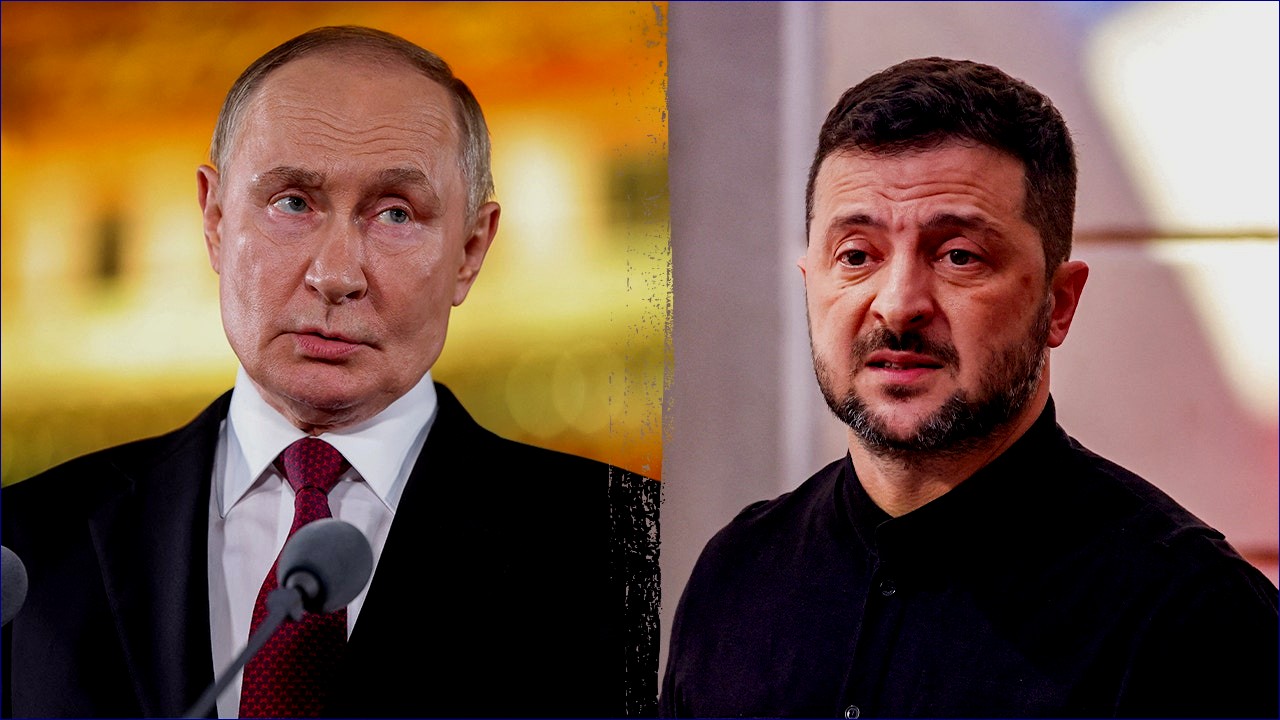
Russia Rejects Foreign Troops in Ukraine Amid Ongoing Conflict
Russia has firmly stated that it opposes the idea of any foreign military personnel being deployed in Ukraine. This response comes as European leaders engage in discussions with Ukrainian President Volodymyr Zelenskyy and a call involving former President Donald Trump.
On Thursday, Maria Zakharova, a spokesperson for the Russian Foreign Ministry, declared any plans for foreign troop deployments as “unacceptable.” She emphasized that such actions would threaten security. “Russia will not entertain discussions on foreign intervention in any format,” she stated.
This strong stance was a direct reaction to comments by European Commission President Ursula von der Leyen, who suggested the possibility of sending European troops to Ukraine. Germany backed Russia’s concerns, with Defense Minister Boris Pistorius noting that some issues should not be addressed before negotiations.
While the diplomatic call occurred in the morning, the White House has not disclosed specific outcomes or advancements toward peace. However, Zelenskyy expressed gratitude on social media to Trump for his efforts to support Ukraine, saying, “I appreciate President Trump’s commitment to peace and assistance.”
A White House official shared that during the call, European leaders and Trump discussed critical strategies, including the necessity for Europe to stop purchasing Russian oil funding the war. They highlighted the financial implications, noting Russia had received €1.1 billion from the EU over the past year.
Zelenskyy reported that world leaders discussed collaborative security measures for Ukraine at the meeting, which also included U.S. Special Envoy Steve Witkoff. He remarked, “We all agree that Russia seeks to stall negotiations and prolong the conflict. We must ramp up support for Ukraine and increase pressure on Russia.”
As the war intensifies, global leaders continue their efforts to seek a resolution to this ongoing crisis, which has affected millions since Russia’s invasion in February 2022.
