
US Commerce Secretary Discusses India’s Trade Stance Amid Tariff Disputes
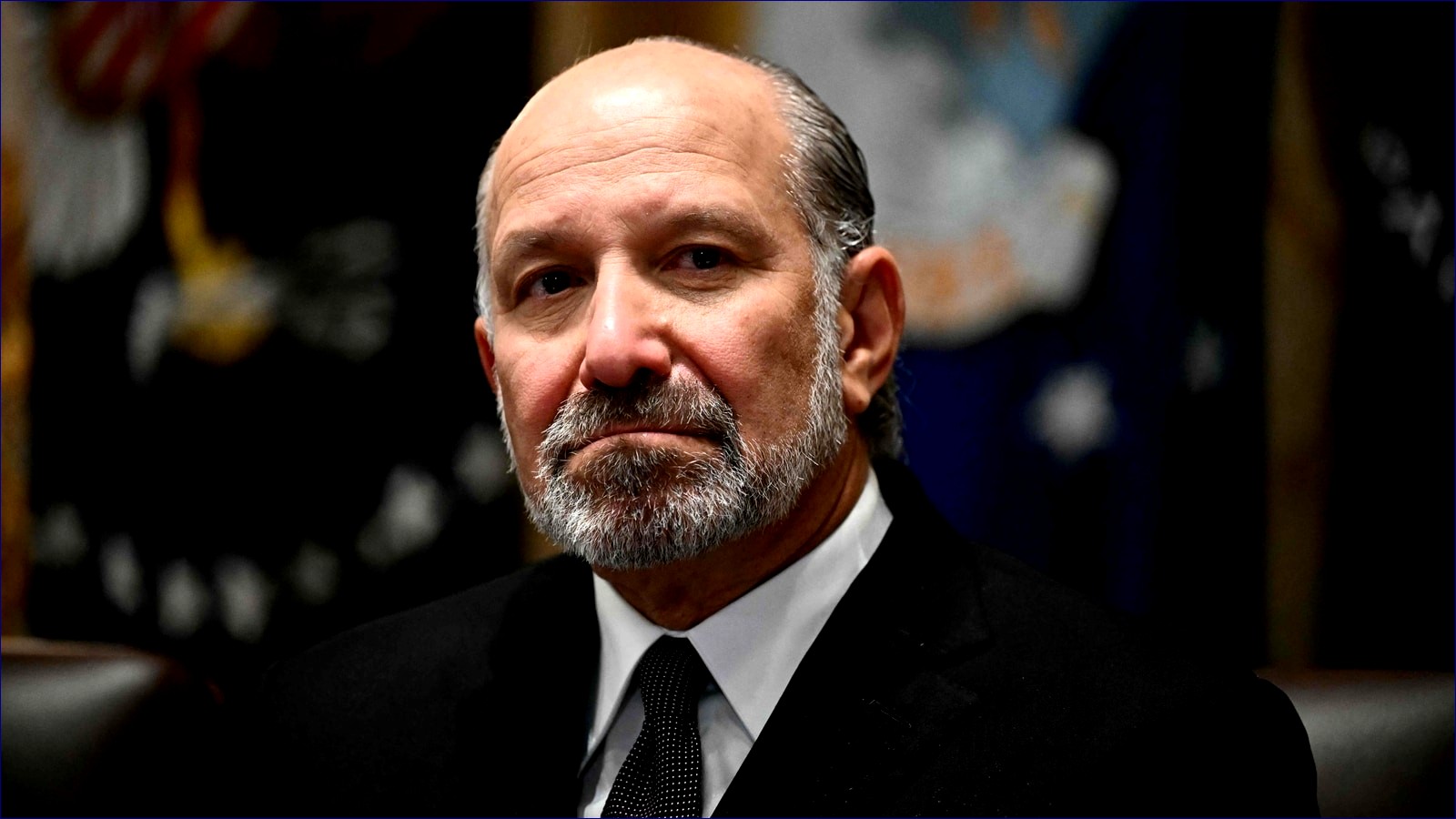
On Friday, US Commerce Secretary Howard Lutnick commented on India’s reactions to the tariffs imposed by former President Donald Trump, describing them as mere “bravado.” He suggested that while it may feel empowering for India to stand firm against the US, the reality is that businesses in India will eventually urge the government to seek a resolution with their largest trading partner.
Lutnick stated in an interview with Bloomberg, “It’s all bravado. It feels good to fight with the biggest client in the world, but sooner or later, your businesses will push for a deal with the US.”
He predicted that in the coming months, India will re-engage in trade discussions with the Trump administration, stating, “In a month or two, I believe India will be at the table, expressing regrets, and looking to negotiate a deal with Trump.”
Lutnick emphasized that the details of any agreement will ultimately be up to Trump, noting, “That’s why he’s the President.”
Earlier, Trump had shared a post on his social media platform, featuring Prime Minister Modi alongside leaders from Russia and China, suggesting that India and Russia may be drifting towards a closer relationship with China.
When asked about the perception that India is unfairly being criticized for purchasing oil from Russia, Lutnick pointed out that before Russia’s invasion of Ukraine, India imported a mere 2% of its oil from Russia. Now, that figure has surged to around 40%. He acknowledged that the low prices due to sanctions have driven India to make these purchases, calling the situation “plain wrong” and “ridiculous.”
Lutnick also advised India to clarify its position in this global landscape.
In discussing the broader context, he highlighted that both India and China supply goods to the US market, but ultimately, it is the US economy—which is valued at $30 trillion—that drives demand worldwide. “The customer is always right,” he concluded, reinforcing the idea that businesses will always revert to their main consumers.
