
Engaging Young Indian Americans: A Call for Action
There is a growing need for India to actively engage U.S.-born Indian Americans. Educational institutions and philanthropists should work together to create immersive study tours for young Indian Americans. These tours would help them understand the true nature of modern India, showcasing its diversity, dynamic democracy, advanced technology, and healthcare systems. Family visits tend to offer a very limited view and cannot replace the comprehensive experiences that deeper engagement provides. Without this initiative, India risks missing out on the valuable contributions of its diaspora in the United States.
India is currently the world leader in receiving remittances, having received an impressive $135 billion last fiscal year from its global diaspora, a large portion coming from the U.S. This support represents about 3-4% of India’s GDP and plays a crucial role in household welfare and economic growth. In addition to remittances, Indian Americans contributed over $1 billion in philanthropy in just 2023.
However, the strong bond between the Indian diaspora and India could weaken if American-born Indian children feel detached from their heritage. Without a deeper understanding of modern India, they may not be as connected to their roots, risking a loss of essential economic, diplomatic, and technological ties nurtured by their culturally engaged community.
A recent survey by the Carnegie Endowment revealed that only 46% of U.S.-born Indian Americans maintain monthly contact with friends or family in India, significantly lower than the 71% of foreign-born Indians. Furthermore, just 58% of U.S. Indian Americans watched Indian movies or shows in the past month, compared to 77% of their counterparts born in India. Having taught at Cornell Law School for nearly two decades, I’ve noticed that many Indian American students often know little about India beyond its popular culture.
Approximately 5.2 million Indian Americans reside in the U.S., with about 1.8 million born here. If efforts to strengthen their connection to India don’t take place, we might face a future where the contributions of the current generation are lost as the first immigrant generation ages.
The situation might become even more challenging if U.S. immigration policies stay strict. Many skilled Indians may find good opportunities in India instead of seeking to immigrate to the U.S., potentially leading to a decline in the Indian diaspora.
Other communities have recognized the importance of connecting their younger generations to their heritage. A notable example is the Jewish community’s “Birthright Israel” program, which offers young adults trips to Israel to strengthen their ties to their roots. This initiative has seen significant participation and has effectively fostered a sense of connection among American Jews.
Although both Indian and Jewish diasporas are well-educated and economically successful, their connections to their homelands differ. Jewish ties to Israel are often rooted in ideology and religion, while Indian ties are more familial and cultural. Despite these differences, providing Indian Americans with immersive experiences about modern India could enhance their understanding of the country’s role on the global stage.
While the Indian government has already proposed a travel initiative called “Know India” for young Indian Americans, many might question its impartiality. To create genuine engagement, Indian American philanthropists, educational institutions, and community leaders should collaborate on heritage programs that are unbiased and meaningful.
The time to take action is now. Donors and institutions need to invest in opportunities for young Indian Americans to discover their heritage. By fostering an understanding of the complexities and marvels of modern India, we can ensure the future of the India-diaspora relationship remains strong.
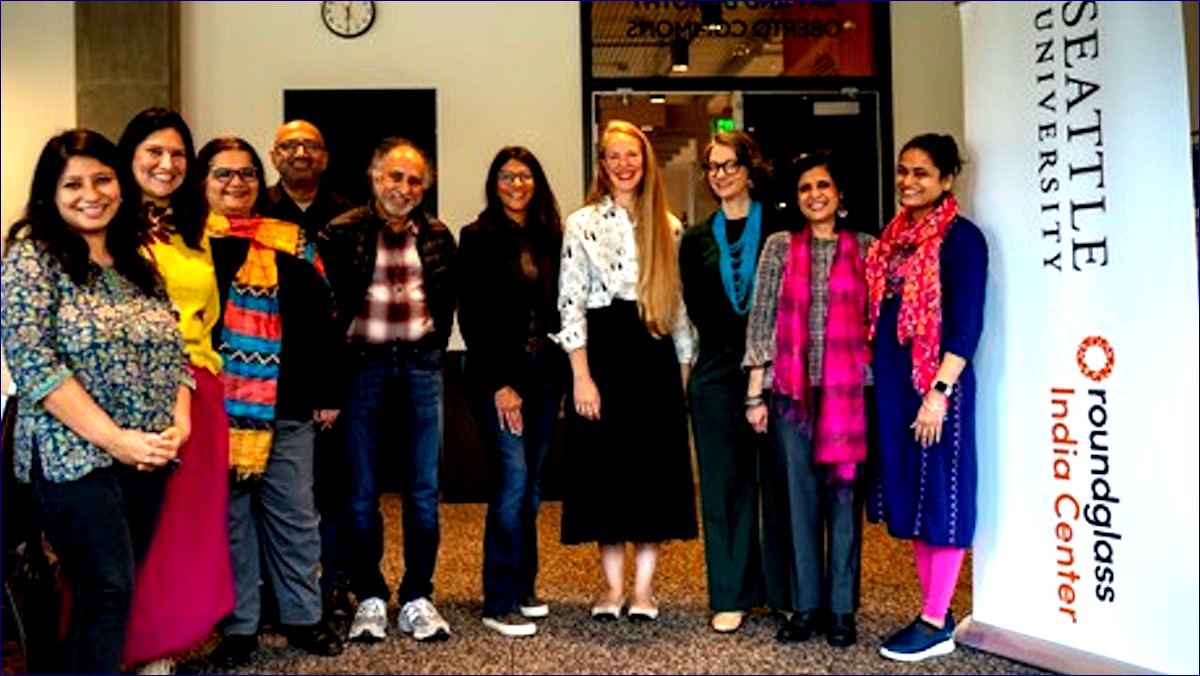
Professor Sital Kalantry is the Founding Director of the Roundglass India Center at Seattle University and a Professor of Law.
