

Maharashtra’s Alphonso mango keeps its crown as the ‘King of Mangoes’ around the world thanks to its delightful aroma and smooth texture.
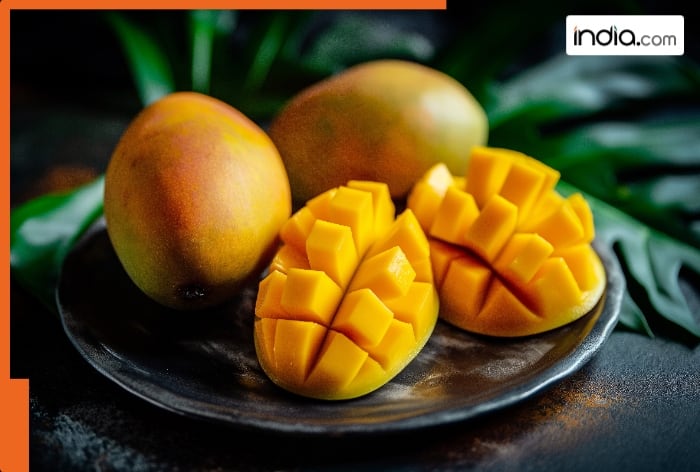
New Delhi: Indian mangoes are once again making a splash in global markets. With rising exports and growing interest both from the Indian community abroad and local foreign consumers, Indian mangoes are gaining a reputation as a ‘premium seasonal fruit.’ These treasures can now be found not just in the Gulf countries but also in Europe, Singapore, and the USA.
India, being the largest producer of mangoes globally, contributes nearly half of the world’s mango supply. Most of this harvest is enjoyed domestically. However, in recent years, the country has seen significant growth in mango exports, thanks to improvements in transport and storage systems.
Record Earnings Achieved
As per data from the Agricultural and Processed Food Products Export Development Authority (APEDA), India exported around 29,938 metric tonnes of fresh mangoes in the financial year 2024-25, leading to revenues exceeding Rs 470 crore.
Excitement in Singapore
The excitement around these mangoes has been highlighted by a recent post from the High Commission of Singapore in India. The post stated: “Guys, #indianmango fever has landed in Singapore. Mangoes from all states of India are flying off the shelves.”
UAE: The Top Market
The highest demand for Indian mangoes currently comes from the Gulf nations, with the UAE standing out as the biggest buyer. In 2024, India exported more than 12,000 metric tonnes of mangoes to the UAE alone, valued at about $20 million. Interest has also surged in markets like the USA, UK, Qatar, and Kuwait.
Alphonso: The Favorite Choice
Maharashtra’s Alphonso mango specifically remains the favorite internationally, admired for its rich aroma and smooth texture. Yet, it’s worth noting that other varieties are also gaining traction. Mangoes like Kesar from Gujarat, Totapuri from South India, and Langra and Chausa from North India are becoming increasingly popular among international consumers.
APEDA reports that varieties like Kesar are particularly favored in price-sensitive markets because they are significantly cheaper than the premium Alphonso.
