
Health Advisory Issued as Measles Cases Rise in the U.S.
While there have been no reported cases of measles in Hawaii, state health officials are taking precautionary measures due to a notable increase in measles outbreaks in Texas and New Mexico. On March 11, the Hawaii Department of Health released a medical advisory aimed at healthcare providers, urging them to quickly identify and report any potential measles cases.
The advisory particularly highlights the importance of vaccination, recommending that individuals, especially those planning to travel internationally, ensure they are vaccinated against measles, mumps, and rubella (MMR). Governor Josh Green, who is also a doctor, emphasized that vaccination is the most effective way to protect against the virus. "Two doses of the MMR vaccine are 97% effective in preventing infection," he noted. "Measles was eliminated in the U.S. before, but we must maintain high vaccination rates to prevent its return to Hawaii."
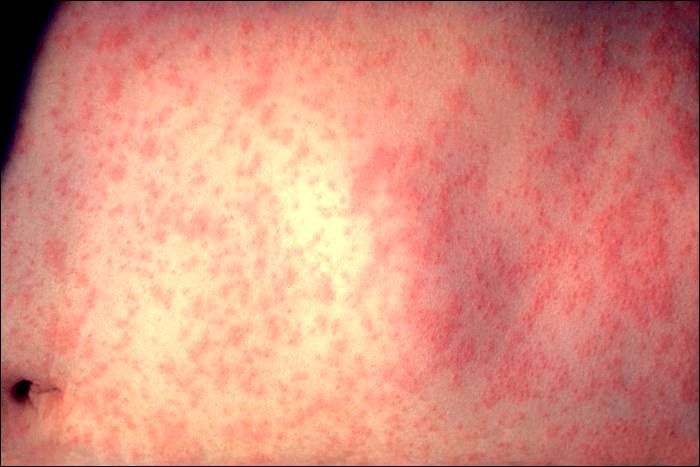
Although there are many illnesses that can present symptoms similar to measles, Hawaii has not reported any locally acquired cases of the virus. Measles is a viral respiratory infection characterized by symptoms starting 7-14 days after exposure, often beginning with a high fever, cough, red eyes, and a runny nose. A red rash typically follows a few days later.
Despite the effectiveness of vaccines in controlling diseases, measles has made a comeback after the U.S. declared it eliminated in 2000. In 2023, there were four outbreaks and 59 reported cases on the mainland, which escalated to 16 outbreaks and 285 cases in 2024. As of March 13, the Centers for Disease Control and Prevention confirmed 301 cases across 15 states this year. The global situation is also concerning, with the World Health Organization noting over 10 million measles cases worldwide in 2023.
Governor Green warned that measles spreads quickly and poses significant risks to vulnerable populations, including children, the elderly, pregnant women, and individuals with weakened immune systems. "Prevention is the best solution, and an outbreak of measles is preventable," he stated.
The Department of Health has highlighted that the risk of a travel-related measles case in Hawaii is increasing. Measles can be transmitted by an infected person up to four days before symptoms appear and up to four days after. The virus is highly contagious; it’s estimated that 90% of people nearby who are not immune will contract the virus if exposed. Moreover, the measles virus can remain airborne and infectious in enclosed areas long after the infected person has left.
To effectively prevent an outbreak, a vaccination rate of at least 95% is recommended. However, the current MMR vaccination rate among kindergartners in Hawaii is approximately 90%, which is lower than the national average of 93%. Some areas, particularly certain schools on Maui, Kauai, and Hawaii Island, report vaccination rates below 75%, raising concerns about community vulnerability.
An outbreak in Hawaii could severely challenge local healthcare resources, as none of the island hospitals have a pediatric intensive care unit. In the U.S., around 1 in 5 unvaccinated individuals who contract measles require hospitalization due to complications, which can include pneumonia and ear infections that may lead to hearing loss.
Newborns, who are too young to be vaccinated, are especially at risk, as are pregnant women, with measles infection linked to serious outcomes like miscarriage and low birth weight.
Residents are encouraged to contact their healthcare provider if they suspect measles and to check on their vaccination status, particularly for children. Ensuring high vaccination rates not only protects individuals but also benefits the wider community.
For further details on measles and vaccination, residents are advised to refer to the Hawaii Department of Health’s resources.
