
DAMASCUS: New Developments in Syria and Chemical Weapons Oversight
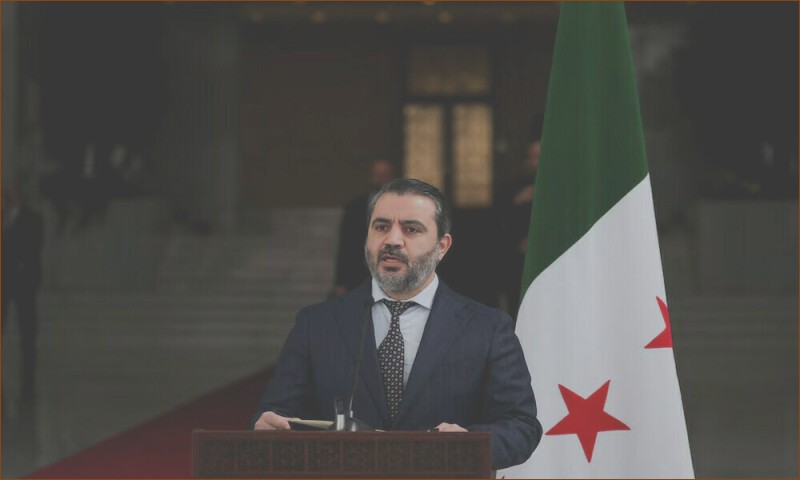
In an important milestone for Syria, Foreign Minister Asaad al-Shaibani announced that he will participate in a meeting of the international chemical weapons watchdog, the Organisation for the Prohibition of Chemical Weapons (OPCW), in the Netherlands on Wednesday. This meeting comes nearly three months after the ousting of former President Bashar al-Assad.
“This is a significant moment for Syria as I attend the executive council of the OPCW for the first time in our country’s history,” Shaibani stated on X, the social media platform. He emphasized that his presence reflects Syria’s dedication to global security and pays tribute to those who suffered and lost their lives due to the Assad regime’s actions.
Throughout Syria’s lengthy civil war, there have been persistent allegations against Assad regarding the use of chemical weapons. The recent change in leadership has raised concerns about Syria’s chemical arsenal and what might remain unaccounted for.
In a related development, the new Syrian foreign minister is making his first official visit to the United Arab Emirates, according to state media reports. This visit comes on the heels of Syria’s previous commitment to dismantling its declared stockpile of chemical weapons, a process that has faced scrutiny over the completeness of those declarations.
Last month, OPCW chief Fernando Arias met with Syria’s newly appointed leader, Ahmed al-Sharaa, during a visit to Damascus — the first since Assad’s removal by Islamist-led forces. Arias expressed optimism about the future of Syria’s relationship with the OPCW, suggesting that this could be a turning point after years of obstructions experienced under the previous regime.
He described his visit as a “reset” for cooperation, indicating that the new Syrian authorities have an opportunity to improve relations and facilitate the work of the organization. However, there are ongoing worries from the OPCW that crucial evidence related to Syria’s chemical weapons might have been lost due to extensive Israeli airstrikes targeting military sites shortly after Assad was dethroned.
Israel has confirmed that it aimed at suspected chemical weapons facilities among its targets to prevent these assets from potentially falling into the hands of radical groups.
