
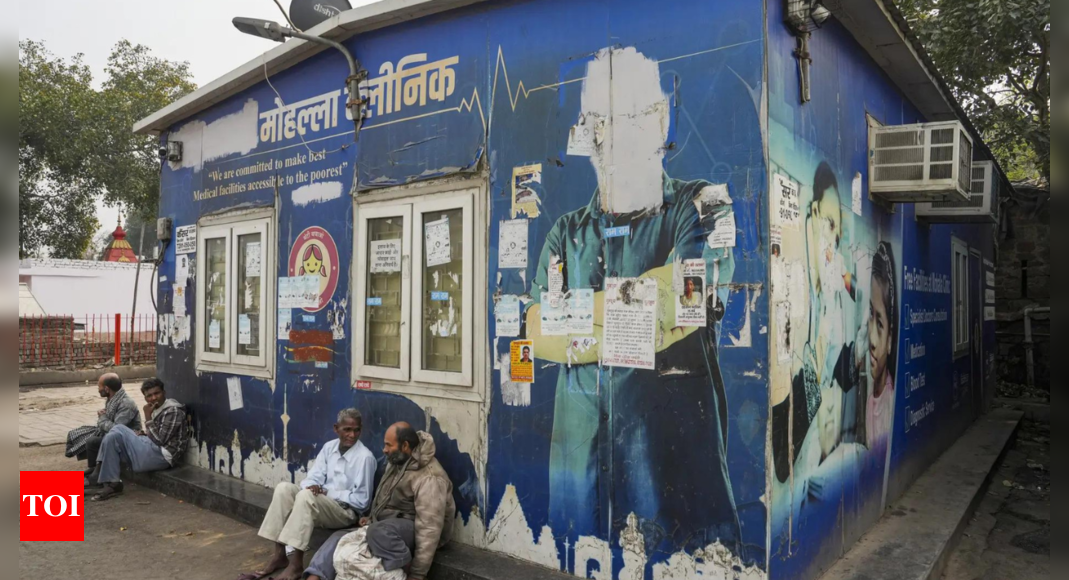
New Delhi: Concerns Raised Over Mohalla Clinics’ Performance
A recent audit report by the Comptroller and Auditor General (CAG) has brought to light some troubling facts about the mohalla clinics run by the Aam Aadmi Party (AAP). According to the report, many doctors are spending less than a minute with patients during consultations. Additionally, numerous clinics lack essential medical equipment such as pulse oximeters, glucometers, thermometers, and devices to monitor blood pressure.
The audit found that 18% of the reviewed clinics were not operational for durations ranging from 15 days to nearly two years, mainly due to a shortage of doctors, resignations, and the removal of staff. Out of 218 clinics across four districts—North East, South, South West, and West—41 were closed when the evaluation took place. Alarmingly, 70% of patients visiting these clinics between October 2022 and March 2023 received less than a minute’s consultation.
Furthermore, the report highlighted significant issues regarding the availability of medications. Of the clinics examined, 74 failed to maintain complete stocks of the 165 essential medications outlined in the essential drug list. The audit indicated challenges in the supply chain, as many medicine orders were either not fulfilled or only partially completed by suppliers. There were delays in the delivery of various medicines, which sometimes lasted from three to six months, affecting the clinics’ ability to provide prompt care.
The CAG’s report also noted that laboratory services were entirely unavailable in Delhi’s clinics from November 16 to December 14, 2022, without any alternative testing options. After ten years of AAP governance, only 53% of the planned mohalla clinics had been established. The initial promise of creating 1,000 clinics to enhance healthcare access remains unmet, with only 38 clinics added in their second term.
Budget allocations for primary health centers from 2016 to 2023 amounted to Rs 35.16 crore, but only 28% of this budget (around Rs 9.8 crore) was utilized. By March 2023, the Directorate General of Health Services had set up just 523 clinics, far short of the target set in 2017.
The report revealed further shortcomings across several mohalla clinics. Out of 81 clinics reviewed, several lacked basic facilities: 10 clinics had no access to clean drinking water, 24 did not have air conditioning for medicine storage, and 21 were without toilet facilities. Additionally, six clinics lacked proper examination tables, 29 did not have fire extinguishers, and 12 were inaccessible to people with disabilities. Privacy screens for patient consultations were absent in 20 clinics.
The CAG emphasized that the Directorate General of Health Services had mandated regular inspections of mohalla clinics. However, between March 2018 and March 2023, only 1.5% of the required inspections were completed, with just 175 inspections conducted out of the necessary 11,191 planned for the 218 clinics in the evaluated districts.
These findings raise serious questions about the effectiveness of mohalla clinics and highlight the need for significant improvements in the healthcare services provided to the public.
