
North Carolina’s Innovative Health Initiative Aims to Support Low-Income Residents
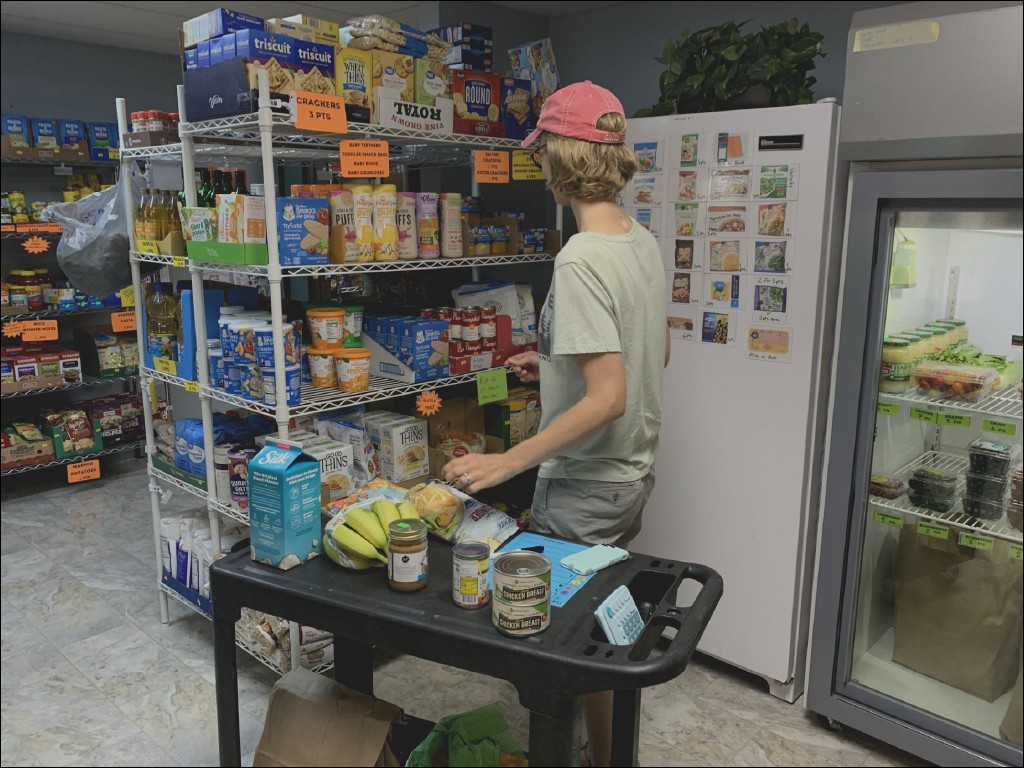
In 2022, North Carolina introduced a groundbreaking program designed to help low-income residents with non-medical health needs using Medicaid funds. This initiative, called the Healthy Opportunities Pilot, is the first of its kind in the United States and has already benefited nearly 30,000 individuals in three mostly rural regions of the state. The program offers essential services, such as food deliveries and transportation to medical appointments, addressing various social and economic challenges that contribute to health inequalities.
Currently, only 33 of the state’s 100 counties are participating in this pilot, but there’s potential for expansion if state lawmakers choose to support it. The initiative was backed by a $650 million waiver from the Centers for Medicare and Medicaid Services, allowing North Carolina’s Health Department to allocate federal Medicaid dollars, typically reserved for direct medical costs, towards essential services such as food and housing.
Kody Kinsley, the former secretary of the North Carolina Department of Health and Human Services (NCDHHS), noted that expanding the program will require approval from the North Carolina General Assembly, which must agree to match the federal funding. Early studies indicate that participation in the program is leading to significant savings, approximately $85 less in medical costs per participant each month. Moreover, there has been a reduction in visits to emergency departments among those involved in the pilot, according to research from the Cecil G. Sheps Center for Health Services Research at the University of North Carolina.
"This initiative is definitely worth continuing," Kinsley said in a recent discussion. "It’s a major investment by the federal government, affirming that our approach is effective."
While the waiver allows the program to operate until 2029, the changing political landscape in Washington could pose challenges, as new policies may target Medicaid funding cuts.
Assisting Local Communities
The Healthy Opportunities Pilot’s services are coordinated by three key organizations: Access East, Community Care of the Lower Cape Fear, and Impact Health. These agencies work together with over 140 local nonprofits and partners to efficiently distribute services to participants.
Laurie Stradley, executive director of Impact Health, highlighted that the program’s launch in rural regions is a significant deviation from typical pilot projects. Impact Health oversees 18 counties in the mountainous western part of the state. She emphasized the positive economic impacts of the program, noting that the food supplied to participants is often sourced from local growers.
"Our local farms benefit because they can reliably sell their produce through this program," Stradley explained. "We’ve noticed that this consistent demand helps them plan better for the future."
Stradley also shared compelling stories about how the program has improved financial stability for families. One mother mentioned that receiving food weekly enables her to confidently pay her rent, knowing her family’s nutritional needs are met.
"This stability not only improves her financial situation but also helps her focus on other bills, like utilities, thus reducing the risk of eviction," Stradley added.
Amid these successes, securing housing remains a pressing issue, especially in western North Carolina, where availability has decreased due to natural disasters like Hurricane Helene.
A Lifeline Following Disasters
The demand for the Healthy Opportunities Program rose after Hurricane Helene displaced many families in the area. Stradley noted that many existing participants required additional support while new participants became eligible as they faced job losses and housing instability.
However, providing sufficient housing support has become more challenging. With many families needing assistance, it has become increasingly difficult to access home repair services and other necessary help.
"Previously, our focus was on those who were unhoused or living in unstable conditions. Now, we see the need to help families maintain their homes to prevent future crises," Stradley explained. For families with health issues like asthma, this can mean receiving financial assistance for mold remediation or air quality improvements, which can significantly reduce emergency visits.
Stradley expressed optimism about the future of the pilot program, hoping it can expand across North Carolina. She stressed that investing in services like food, housing, and transportation could ultimately reduce future medical costs.
Setting a National Example
The Healthy Opportunities Pilot represents one of the first large-scale efforts to test whether integrating nonmedical services can enhance health outcomes while lowering healthcare expenditures. Its promising results may influence Medicaid policies in other states.
Kinsley emphasized that unlike other states that focus narrowly on specific needs such as food or housing, North Carolina is exploring a broader range of services. The initial successes of the pilot have strengthened confidence at the federal level for potential statewide implementation.
Devdutta Sangvai, the new secretary at NCDHHS, supports the program’s expansion but acknowledges that it will take time and require collaboration with state legislators to establish priorities.
"The task ahead will not be straightforward, and we won’t be able to implement everything all at once," Sangvai said. However, he is keen on building consensus around the program, which faces an uncertain future under the current administration.
Despite concerns about potential funding cuts, Stradley remains hopeful. She believes that as the program evolves, it will continue to enhance its efficiency and effectiveness, benefiting not just North Carolina, but potentially serving as a model for other states looking to improve their Medicaid programs through similar approaches.
