
Israel and Hamas Open Doors for New Ceasefire Talks Amid Ongoing Tensions
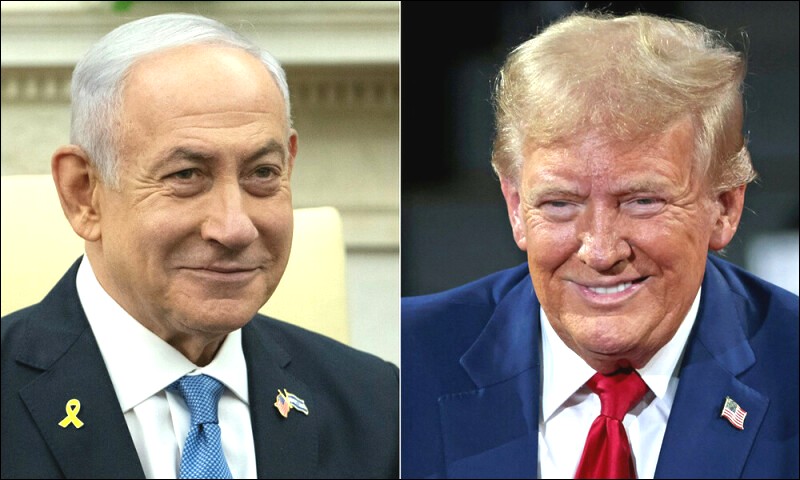
WASHINGTON: Israel has announced it will send a team to negotiate the next steps in its delicate ceasefire with Hamas, hinting at potential progress before Prime Minister Benjamin Netanyahu meets with U.S. President Donald Trump on Tuesday.
Netanyahu will be the first foreign leader to meet Trump since he regained office last month. He may face pressure from Trump to uphold the ceasefire that the U.S. leader has publicly supported.
Ahead of the meeting, Netanyahu’s office revealed that a delegation would travel to Doha, Qatar later this week to begin negotiations. Hamas has expressed its willingness to discuss the next phase of the ceasefire, which has been facilitated by Qatar, the U.S., and Egypt, focusing on establishing a more lasting peace.
The current ceasefire took effect on January 19, ending over 15 months of intense conflict that devastated large parts of the Gaza Strip. The agreement has also seen the exchange of hostages, with Hamas and Israel swapping individuals held in Gaza and Israeli jails.
Palestinians Raise Concerns as Violence Erupts in the West Bank
Netanyahu’s office confirmed that preparations are underway for the working-level delegation’s discussions in Doha, which will aim to sort out the technicalities of continuing the ceasefire arrangement. These discussions follow meetings with Trump’s advisors, including Middle East envoy Steve Witkoff.
The ongoing conflict has significantly impacted Gaza, and families of hostages are urging all parties to ensure the ceasefire remains intact for their loved ones’ safety. One family, the Bibases, shared their heartfelt plea for information on their missing relatives, including two young boys and their mother, who have not yet been accounted for.
In Washington, Trump has proposed a controversial plan suggesting that Palestinians consider relocating to Egypt or Jordan, a proposal rejected by both the potential host countries and many Palestinians. “We are the owners of this land; we have always been here and will always be,” asserted Majed al-Zebda, a resident whose home was destroyed during the conflict.
Prior to heading to the U.S., Netanyahu stated that Israel’s recent military actions against Hamas and its dealings with Hezbollah and Iran have altered the regional dynamics. He expressed optimism about working with Trump to improve the situation further.
Trump, known for his focus on negotiation, may encourage Netanyahu to remain committed to the ceasefire, potentially offering incentives like a normalization deal with Saudi Arabia.
Negotiations and Increasing Tensions Continue
In previous months, efforts towards normalization made during Trump’s presidency stalled amid the Gaza conflict. Although Trump recently mentioned that discussions regarding Israel and other Middle Eastern nations are "progressing," he also cautioned that he cannot guarantee the ceasefire will hold.
Meanwhile, the situation in the West Bank has become increasingly tense, with Israeli forces launching operations in the Jenin area. The United Nations has flagged significant humanitarian concerns, warning that conditions are worsening.
On Tuesday, the Israeli army reported an attack at a military post in Tayasir, where two soldiers were killed.
While the current ceasefire continues, outlined plans include Hamas releasing 33 hostages in phases in exchange for roughly 1,900 Palestinians in Israeli custody. So far, four exchanges have occurred, allowing for some hostages’ return and humanitarian aid to flow into Gaza. However, the ongoing violence has led to significant casualties on both sides, raising serious questions about the prospects for lasting peace.
