
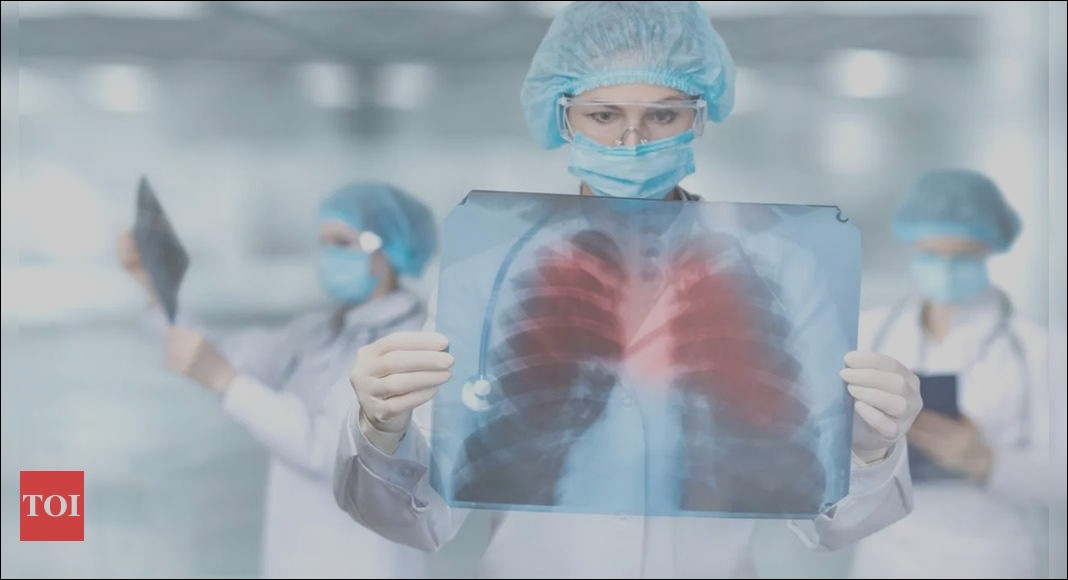
A groundbreaking new imaging technique is poised to transform how we evaluate lung function, particularly in understanding the impacts of treatments in real-time. This advanced method promises to detect declines in lung function much earlier than traditional methods, offering hope for better management of respiratory conditions such as asthma, chronic obstructive pulmonary disease (COPD), and complications after lung transplants.
How It Works
Developed by a dedicated team of researchers at Newcastle University in the UK, this innovative lung scanning method tracks air movement in and out of the lungs during breathing. By using a special gas that can be seen in MRI scans, the team is able to identify areas of the lungs that are not ventilating properly. This helps facilitate earlier diagnoses and targeted treatments.
In two recent studies published in the journals Radiology and JHLT Open, researchers discussed how the special gas, called perfluoropropane, is administered to patients. After inhaling the gas, MRI scans reveal where the gas travels in the lungs, allowing doctors to see areas that may be poorly ventilated.
Pete Thelwall, a Professor of Magnetic Resonance Physics at Newcastle University, explained, “Our scans reveal patchy ventilation in patients suffering from lung disease and show which lung areas respond well to treatments. For instance, when we scan a patient using their asthma inhaler, we can observe which parts of their lungs enhance in airflow.”
Benefits for Lung Disorder Patients
This scanning technique is particularly effective for identifying parts of the lungs that don’t receive proper airflow. It enables healthcare providers to pinpoint poorly ventilated regions, leading to more accurate diagnoses.
The research teams at Newcastle and Sheffield have pioneered these advanced imaging techniques to elevate how lung diseases are diagnosed and treated. Their studies showcase how these scans can effectively measure improvements in ventilation among asthma and COPD patients after administering treatments like inhalers, making these scans invaluable for clinical trials.
Additionally, the technique has been demonstrated to monitor lung transplant patients, allowing for early detection of complications such as chronic rejection. Researchers found that analyzing airflow revealed reduced air movement in small damaged airways, which is a key indicator of chronic lung allograft dysfunction. This advancement could significantly improve care for lung transplant patients by enabling timely interventions.
Andrew Fisher, a Professor of Respiratory Transplant Medicine at Newcastle Hospitals NHS Foundation Trust, emphasized the potential of this new scan, saying, “We are hopeful that this imaging method will allow us to detect changes in transplant lungs sooner, even before conventional tests show any damage. This early detection could lead to quicker treatments, safeguarding the transplanted lungs from further harm.”
Overall, this innovative scanning technique has the potential to greatly enhance the clinical management of lung transplant recipients and improve the care of patients with various lung diseases by identifying early functional changes in their lungs.
