
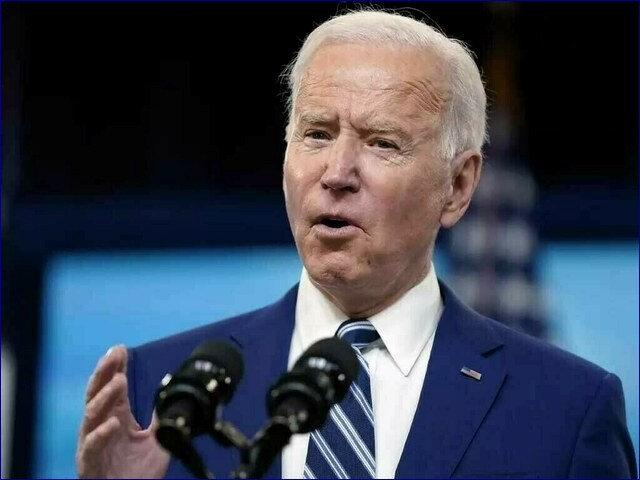
MANAUS (Brazil): President Joe Biden is on a significant journey to the Amazon on Sunday, showcasing that U.S. climate funding has surged to $11 billion this year, fulfilling a promise he made earlier. The White House emphasized that “the fight against climate change is a key focus of President Biden’s leadership.”
This visit marks Biden’s final tour of South America before Donald Trump, known for his skepticism on climate issues, assumes the presidency. Biden is the first sitting U.S. president to explore the expansive Amazon rainforest, where he plans to engage with Indigenous leaders and officially declare November 17 as International Conservation Day.
The White House revealed that with the new funding, the United States is now the largest bilateral provider of climate finance globally. This funding is six times higher than what the U.S. was contributing at the start of Biden’s administration in 2021. However, it’s important to note that the European Union is still recognized as the largest overall contributor to climate finance.
Approximately half of the climate funds are distributed through multilateral resources that involve developing countries in their management. This has led to some critiques regarding the U.S. preference for bilateral funding methods. In 2022, wealthy nations collectively gathered $116 billion for climate finance, as per the latest information from the OECD.
A report from the British think tank ODI highlighted concerns regarding the U.S.’s performance. It noted that the nation ranked near the bottom among 23 countries when it comes to fulfilling a “fair share” of climate financing, particularly when measured against their carbon emissions, population size, and gross national income.
