
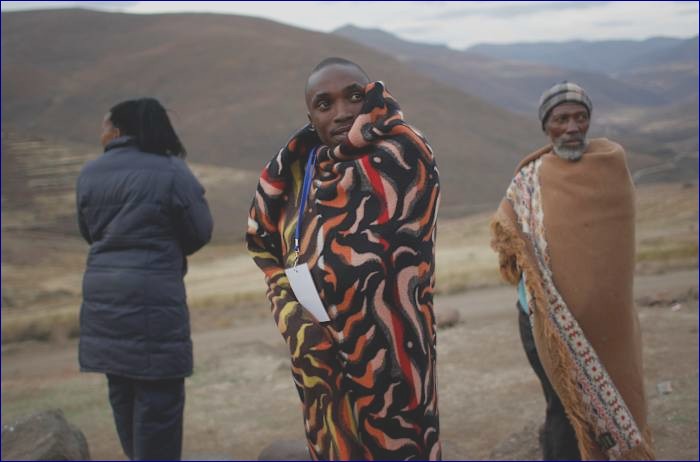
Lesotho Faces Challenges After U.S. Tariff Decisions
JOHANNESBURG – If you’ve ever worn jeans from well-known American brands like Levi’s or Wrangler, it’s likely they were made in the small southern African country of Lesotho. This nation is known for its significant textile manufacturing industry, exporting around 75% of its products to the United States.
However, recent decisions made by former U.S. President Donald Trump are changing the landscape for Lesotho’s economy. Trump placed a notable 50% tariff on imports from Lesotho, the highest rate imposed on any country. He claimed that Lesotho charges a staggering 99% tariff on U.S. goods, a statement that Lesotho’s government contests, stating they are unsure how this figure was calculated.
The impact of these high tariffs on Lesotho is considerable. During a speech, Trump referred to Lesotho as a place "nobody has ever heard of," to which the foreign minister of Lesotho promptly reminded him that the U.S. has an embassy in the country. Recently, Lesotho celebrated significant milestones, including its 200th anniversary and 58 years of independence. Surrounded entirely by South Africa, this landlocked kingdom is home to about 2.3 million residents and is famous for its stunning mountains and winter skiing opportunities.
Lesotho’s economy primarily relies on its exports, which include clothing, diamonds, water, power, wool, and mohair. Thanks to agreements with neighboring countries, Lesotho does not face tariffs on goods exported to Botswana, Namibia, South Africa, and Swaziland. However, the newly imposed tariffs mean that American consumers will end up paying more for Lesotho-made products, risking the competitiveness of these goods in the U.S. market. In 2024, trade between the U.S. and Lesotho was valued at $240.1 million, with clothing making up a significant portion of that exchange.
Despite being classified as a lower-middle-income country, nearly half of Lesotho’s population lives below the poverty line, and unemployment affects a quarter of its people.
In response to the tariff situation, Lesotho’s Trade Minister, Mokhethi Shelile, has announced plans to seek new markets and leverage the African Continental Free Trade Area to boost exports to more favorable destinations within Africa. The government is also planning to send a delegation to the U.S. to negotiate a better agreement. Shelile expressed concern over the potential closure of textile factories in Lesotho, as these establishments employ roughly 12,000 people in the country.
As Lesotho navigates these challenges, the focus remains on finding solutions to protect its economy and workforce.
