
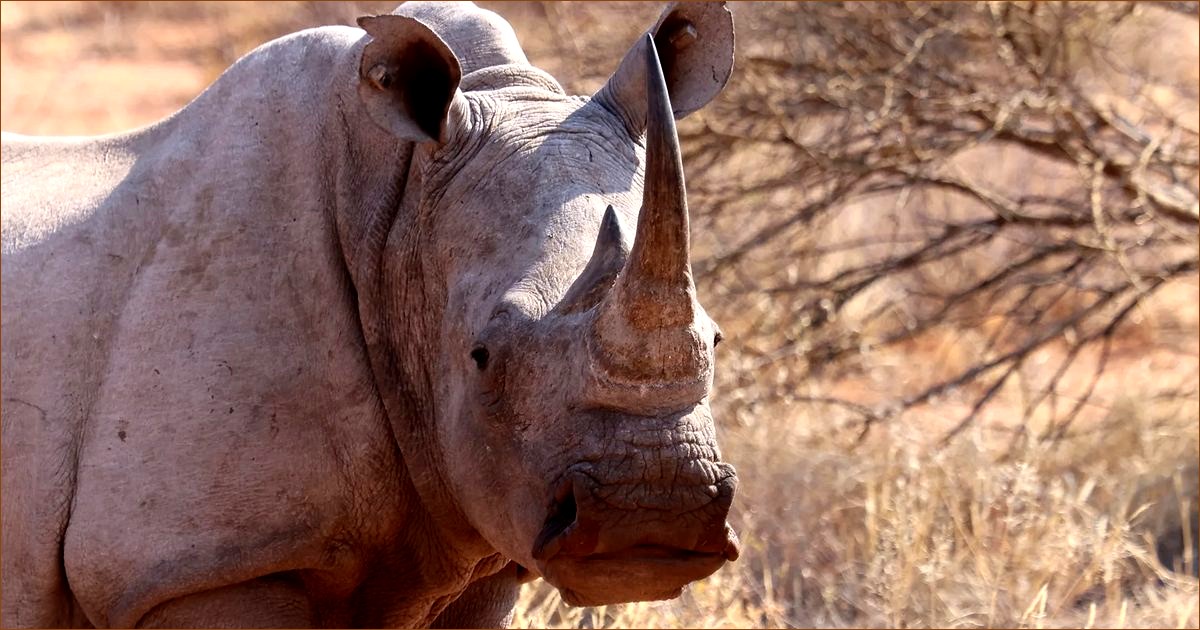
In Namibia’s wildlife reserves, a groundbreaking project is taking shape. A satellite system called Icarus is monitoring animal behavior, turning these animals into unexpected allies in the fight against poaching.
Understanding the urgency of this situation is crucial. Over the past 15 years, more than 10,000 rhinos have been poached in South Africa alone, and the crisis shows no signs of stopping. With rangers often outmatched and the reserves covering large areas, the problem can escalate before help arrives.
Scientists from the Max Planck Institute of Animal Behavior in Germany have proposed an innovative answer. Instead of simply increasing the number of rangers or cameras, why not empower the animals to alert us?
### How It Works
Animals react in predictable ways when they sense danger. To gather reliable data on these reactions, researchers simulated poaching scenarios at Okambara, a private wildlife reserve in Namibia. They used blank shots to observe how animals responded to the threat without harming them.
The idea is to use these behavioral patterns to develop an algorithm that can send real-time alerts to park rangers. Martin Wikelski, a leading ecologist at the institute, notes that even the most unlikely animals can be helpful. For instance, giraffes tend to remain still when they notice danger, all gazing in one direction. This unique behavior can provide crucial information about the location of potential threats.
At the core of this initiative are wildlife tracking tags. These devices monitor animals’ GPS locations, activity levels, heart rates, body temperatures, and atmospheric conditions. The ambitious goal is to tag 100,000 animals worldwide by 2030, creating a global alert system.
### Can This Stop Poaching?
Preliminary results have been promising. The system has successfully helped free 80 wild dogs from snares in Kruger National Park, but it’s still a work in progress. The first Icarus satellite was launched in November, with five more planned by 2027. Once fully operational, the system will provide real-time data on animal movements across the globe, making it increasingly difficult for poachers to operate undetected.
This innovative approach could change how we protect wildlife, giving nature a voice in conservation efforts.
