
Iran’s Revolutionary Guard and Kurdish Clashes Intensify
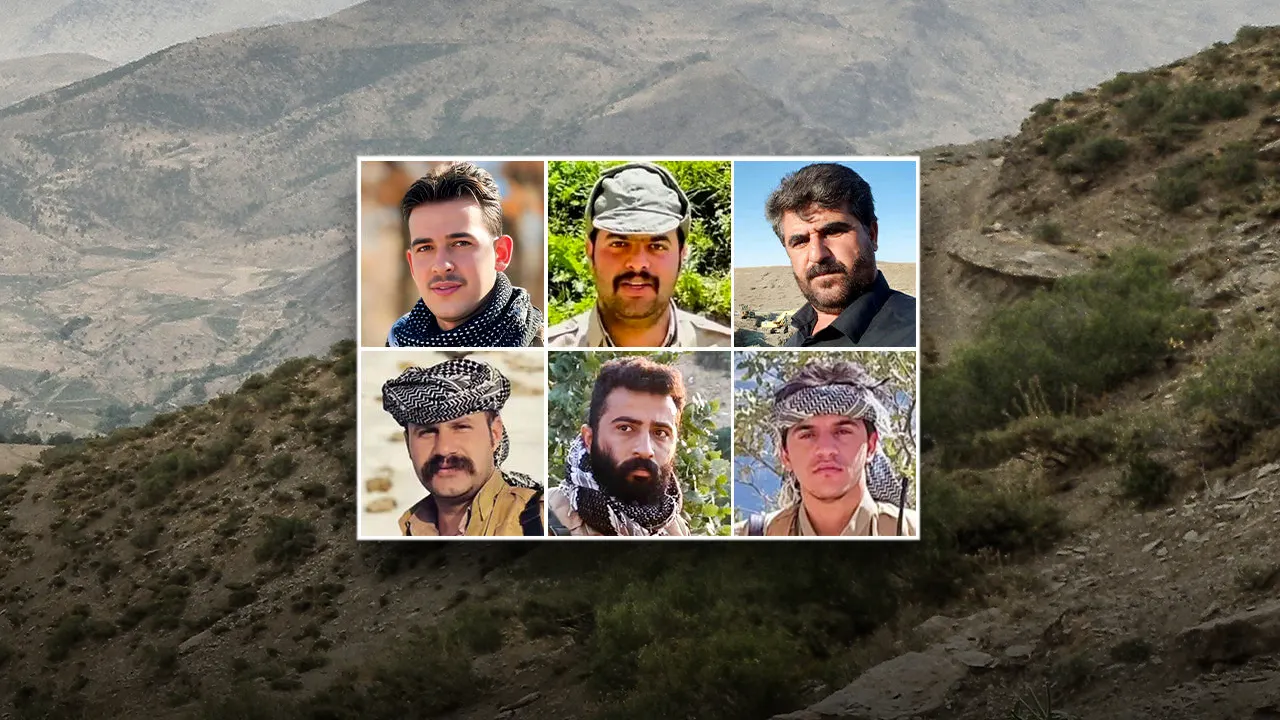
On Thursday, Iran’s Islamic Revolutionary Guard Corps (IRGC) reported that they killed five members of the Democratic Party of Iranian Kurdistan (PDKI). In response, the PDKI stated that six of its Peshmerga fighters were killed in an ambush by the IRGC in the northwest region of Iran.
This incident reflects a continuing rise in tensions in western Iran, where Kurdish communities have faced increasing violence from Iranian security forces and armed factions. U.S. and Israeli officials had previously viewed Kurdish groups as potential leverage against Tehran during conflicts, yet these groups have remained disengaged amid conflicting messages from the U.S. and threats from Iran and Turkey.
Worsening Tensions
Majeed Gly, president of the American Kurdish Committee, highlighted that the recent clashes should be taken seriously. “This is not routine border conflict; it’s something deeper,” he stated, noting that frustration has surged among Kurds following numerous Iranian attacks on Kurdish areas.
Hejar Berenji, a representative of the PDKI, confirmed that the six fighters identified included Karo Hormuziari, Fardin Changizi, and Mohammad Khaki. They were reportedly on a political mission when they were ambushed.
Berenji emphasized that this incident is part of a larger pattern of repression by the Iranian regime, which has stepped up attacks on Kurdish communities. He noted that since February, over 850 attacks had occurred, resulting in civilian casualties.
The Kurdish Struggle
The PDKI, one of the oldest Kurdish opposition groups, has been in conflict with the Iranian government for decades, with Tehran viewing Kurdish armed factions as threats to national unity. The Kurdish people, one of the largest stateless ethnic groups in the Middle East, have faced repression in Iran for years, characterized by military crackdowns and cultural assimilation efforts.
Recent clashes followed a string of violent incidents in the region, including a shooting that killed two IRGC members, attributed to a new Kurdish group seeking retaliation against the government’s actions during protests that have occurred in the past.
Berenji insisted that Kurdish forces have the right to defend themselves but do not desire chaos, seeking instead a peaceful and democratic resolution.
International Perspective
The U.S. has been closely monitoring the situation since Kurdish groups were considered potential strategic allies against Iran. However, since ongoing negotiations between the U.S. and Iran seem unresolved, many Kurdish fighters chose to abstain from conflict due to concerns over U.S. and Israeli support.
Gly pointed out that Kurdish anger appears heightened due to perceived U.S. indifference to their struggle for freedom. He suggests that the U.S. should maintain its support for Kurdish rights even amidst complex diplomatic negotiations.
As tensions rise, the Kurdish community continues to suffer from attacks, struggling for their rights and recognition amid ongoing conflict and repression.
