
Major New Service for Overseas Citizens of India Launched
Overview:
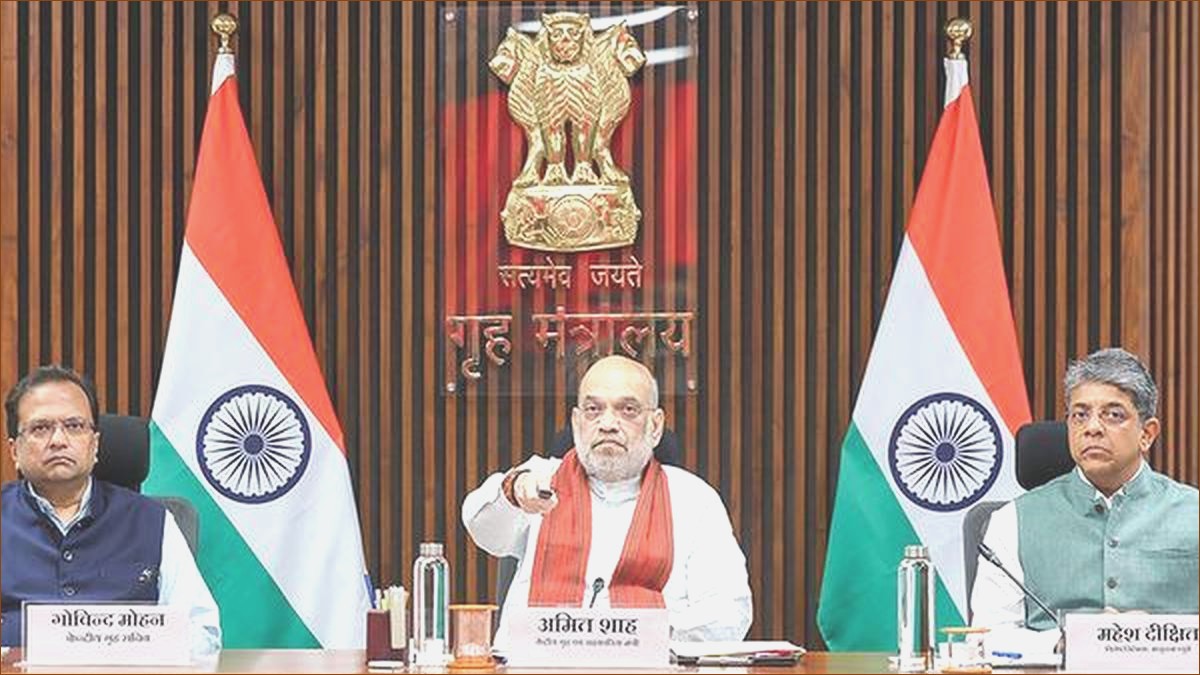
On June 30, 2026, Union Home Minister Amit Shah introduced the Electronic Overseas Citizen of India (e-OCI) card. This new digital service aims to enhance the experience of Indian expatriates holding OCI cards by moving the entire process online.
With this initiative, the Indian government expects to benefit over 5 million OCI cardholders, as the previous paper booklet system transitions to a more modern, digital format.
What is the OCI Card?
The OCI card was created in 2005 to offer some citizenship amenities to people of Indian origin living abroad. Since India doesn’t allow dual citizenship, this card provides essential rights to those who were citizens of India or eligible for citizenship on January 26, 1950. However, nationals or descendants of individuals from Pakistan and Bangladesh cannot apply. The OCI card acts like a lifelong visa, allowing cardholders to visit India without needing police registration.
Features of the e-OCI Card:
The new e-OCI system enables users to handle everything online—from applying and submitting essential documents to downloading their card once approved. Current cardholders can also convert their physical OCI cards into digital ones without needing to file a new application. Moreover, there’s no longer a need to get a new booklet when a passport is renewed after turning 20, although users must update their passport details online.
This digital card offers numerous advantages, such as eliminating the need for physical visits, making access easier via mobile devices, and accelerating processing times. It also supports government officials by reducing physical paperwork and improving data management, allowing for quick verification at airports.
User Concerns:
Some users have expressed worries about the new OCI registration system. Issues include difficulties accessing email accounts linked to their original applications, especially if those registrations were completed a long time ago. Many have suggested allowing families to use the same email to help older members manage their accounts. Other frustrations include frequent website crashes that hinder card downloads, particularly for those who did not initially provide an email address.
Official Response:
In response to these concerns, officials from the Ministry of Home Affairs (MHA) state that individuals can update their email addresses using the email updating feature on the OCI portal. Once the new email is registered, users can access their accounts and download their e-OCI cards easily.
The MHA has confirmed that family members can share a single user account after updating each member’s registered email through the system. This simplifies managing OCI services for families, especially for senior citizens.
Regarding download issues, officials noted that occasional delays might occur due to backend processing but assured users that they shouldn’t disrupt the process unnecessarily.
For those who didn’t register an email during their initial OCI application, the MHA advises creating a new user account with a current email. Users can then link this new email to their OCI records, making access to e-OCI services much simpler.
Conclusion
The launch of the e-OCI card marks a significant shift in how the Indian diaspora can access and use their Overseas Citizen services. As more people become accustomed to the digital platform, it hopes to streamline processes and enhance convenience for millions of OCI cardholders worldwide.
