
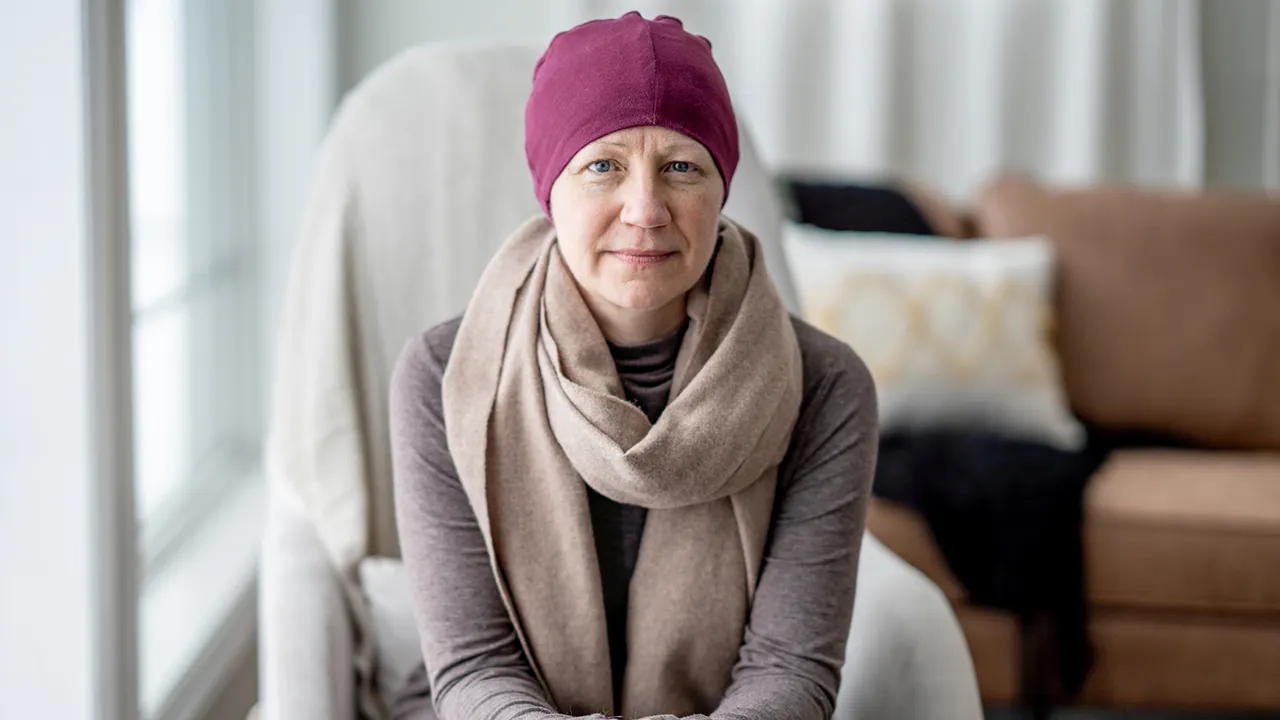
Promising Future for Cancer Treatment
Experts are hopeful that significant advancements in cancer treatment could be made within the next decade. At the recent CEO Summit of the WSJ Leadership Institute in London, Joaquin Duato, the Chairman and CEO of Johnson & Johnson, discussed the company’s ambitious goals for cancer therapy.
Duato expressed a strong commitment to “try to eliminate cancer” within ten years. He highlighted the notable progress already made in treating certain types of cancer, citing multiple myeloma as an example. Patients affected by this condition now have an average life expectancy of ten years, compared to only a few years in the past.
“We have treatments now that use the patient’s immune system to fight cancer,” Duato explained. He shared inspiring stories of patients who, despite being in hospice care, have achieved remarkable results and are now in remission after just one treatment.
Many patients are astonished by these outcomes, especially after years of frequent hospital visits and various treatments. Johnson & Johnson is dedicated to deepening its understanding of cancer biology and developing new technologies to combat it.
Duato believes it’s realistic to anticipate cures for certain cancers, while others may be managed as chronic conditions. He acknowledged the widespread impact of cancer, stating, “I cannot think of anyone who hasn’t been touched by cancer.” He also mentioned other pressing health issues, such as dementia, that require innovative solutions.
Looking ahead, Duato noted that life expectancy is likely to continue rising, thanks to advancements in medical technology aimed at enhancing quality of life. He emphasized the potential role of artificial intelligence in healthcare, considering it a significant asset for future developments.
Dr. Marc Siegel, a senior medical analyst, echoed Duato’s optimistic forecast. He predicts that while some cancers will evolve into manageable chronic conditions, others will be completely curable. He underscored that advancements in AI could greatly improve treatment strategies by providing tailored therapies based on the latest research regarding cancer mutations.
Through their recent acquisition of Firefly Bio, a biotech company focused on developing targeted treatments for challenging cancer types, Johnson & Johnson is well-positioned to lead the way in this evolving landscape of cancer care.
As research and technology continue to advance, there is hope for many who are affected by cancer, paving the way for a healthier future.
