Close Menu
  • Home
  • World News
  • India News
  • Business News
  • Health
  • Sports
  • Indian Diaspora In US
  • Technology
  • Bollywood
  • Education
Facebook X (Twitter) Instagram
Saturday, August 1, 2026
Breaking News
  • 50 Iranian Sikhs Find Safe Passage Home from Tehran
  • Mark Kom’s Influence: How She Motivated Pakistan’s First Female CWG Medallist, Fatima Zahra
  • Tillman Clocktower 5K and Health Walk Celebrates 41 Years of Community Spirit!
  • India’s Valluri Ajaya Babu Shatters Commonwealth Games Record in Men’s 79kg Snatch
  • Indian Central Bank’s Capital Flow Strategies Attract Almost $41 Billion
  • Uganda Reassesses ICT Framework to Boost Digital Skills and Foster Innovation – Tech Review Africa
  • Tiger Shroff, Abhishek Banerjee, and Elvish Yadav Join Forces for Remo D’Souza’s Action Saga as Viccky Jain Debuts VJ Frames!
  • Jemimah Rodrigues and Pakistan’s Fatima Sana Share a Heartwarming Moment in The Hundred—Video Goes Viral!
Facebook X (Twitter) Instagram
India Bulletin
Advertisement
  • Home
  • World News
  • India News
  • Business News
  • Health
  • Sports
  • Indian Diaspora In US
  • Technology
  • Bollywood
  • Education
India Bulletin
Home»World News»Jim Jordan Questions U.K. Surveillance Laws Amid Five Eyes Trust Issues
World News

Jim Jordan Questions U.K. Surveillance Laws Amid Five Eyes Trust Issues

June 11, 20263 Mins Read
Facebook Twitter Email
Share
Facebook Twitter Email


Concerns Over UK Surveillance Laws

Brief: Recently, U.K. surveillance laws have faced criticism from Jim Jordan, the Chairman of the House Judiciary Committee. He highlighted worries that these laws could risk exposing communications of both officials and everyday Americans.

The focus of the concern is the U.K.’s use of Technical Capability Notices, which are part of the Investigatory Powers Act. Critics argue that this could pressure U.S. companies to relax their encryption standards or create “backdoors” that allow unauthorized access while also preventing these companies from disclosing government requests without permission.

This situation has raised alarms about privacy risks, potential vulnerabilities, and the challenge of maintaining oversight from Congress. One former intelligence official cautioned that this could be inviting negative attention from countries like China. Andrew Badger, a former Department of Defense official, expressed his worries to a news outlet about the implications of these practices.

Insight: On June 5, Jim Jordan sent a letter to U.K. Home Secretary Shabana Mahmood urging a review of these surveillance powers. Reports indicate that Mahmood has denied permission to a U.S. company to discuss an alleged encryption backdoor with Congress.

Jordan underscored concern over a lack of trust in U.S.-U.K. partnerships, stating that the effectiveness of intelligence-sharing relies on mutual confidence in each other’s security measures. Badger echoed these sentiments, warning that if U.K. surveillance practices inadvertently expose Americans to espionage, it could strain relations and complicate cooperation on intelligence matters.

Importantly, Badger noted that mainstream encrypted services have become essential for secure communication and could be susceptible to unauthorized access.

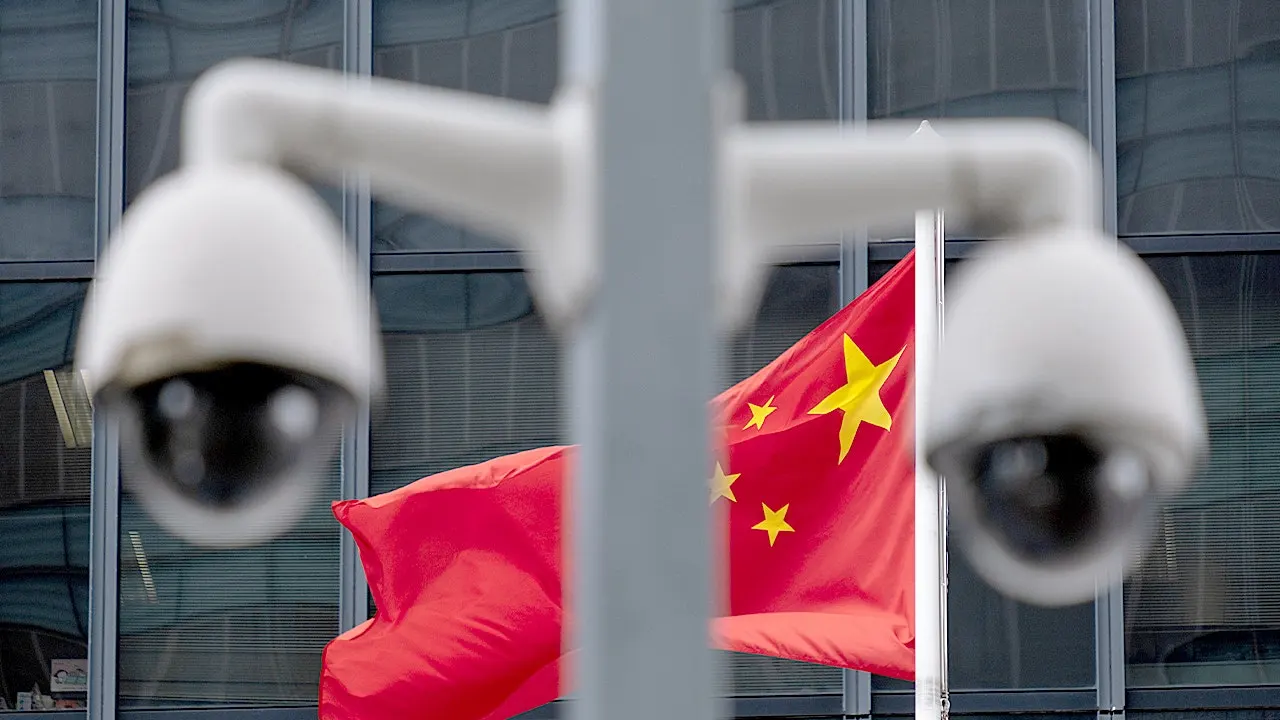
Both U.S. and British cybersecurity officials have signaled that threats from states like Russia, China, and Iran pose significant risks to national security and infrastructure. Cyber operations linked to China, including initiatives like the Salt Typhoon campaign, have targeted sensitive information, emphasizing the need for robust security measures.

Moreover, reports emerged that Yvette Cooper, the U.K. Foreign Secretary, used a burner phone during a recent visit to Beijing, raising more questions about state-sponsored espionage. This incident highlights a broader issue of Chinese interference with U.K. democratic processes.

Badger pointed out that precautions like using burner phones reveal the seriousness of the threat environment, emphasizing that any device taken into China should be considered vulnerable. He criticized the contradiction in U.K. policy of seeking better economic ties with China while simultaneously having to guard against its espionage efforts, illustrating the complexities of dealing with a country seen as both a trading partner and a security threat.

Cybercrime National security Privacy uk politics united kingdom
Share. Facebook Twitter Email
admin
  • Website

Related Posts

Wildfires Rage Near Bordeaux, Endangering Nuclear and Defense Facilities

August 1, 2026

Tragedy Strikes: American Climber Among Victims of Broad Peak Avalanche in Pakistan

August 1, 2026

Ceuta Migrant Crisis Raises Alarms Over Europe’s Schengen Zone

July 31, 2026
  • Facebook
  • Twitter
  • Instagram
Don't Miss

50 Iranian Sikhs Find Safe Passage Home from Tehran

Mark Kom’s Influence: How She Motivated Pakistan’s First Female CWG Medallist, Fatima Zahra

Tillman Clocktower 5K and Health Walk Celebrates 41 Years of Community Spirit!

India’s Valluri Ajaya Babu Shatters Commonwealth Games Record in Men’s 79kg Snatch

Started in 2004, India Bulletin is the largest and
most read South Asian publication
in Chicago and surrounding Midwest.

  • Home
  • About Us
  • Contact
  • Advertise With Us
  • Privacy Policy
  • Terms of Use
  • Disclaimer
  • CCPA
News
  • Bollywood
  • Business News
  • Health
  • India News
  • Indian Diaspora In US
  • Sports
  • Technology
  • World News
Facebook X (Twitter) Instagram

Type above and press Enter to search. Press Esc to cancel.

Accessibility Adjustments

Powered by OneTap

How long do you want to hide the toolbar?
Hide Toolbar Duration
Select your accessibility profile
Vision Impaired Mode
Enhances website's visuals
Seizure Safe Profile
Clear flashes & reduces color
ADHD Friendly Mode
Focused browsing, distraction-free
Blindness Mode
Reduces distractions, improves focus
Epilepsy Safe Mode
Dims colors and stops blinking
Content Modules
Font Size

Default

Line Height

Default

Color Modules
Orientation Modules