
Czech Republic Stands Ready to Support Navigation Safety in Strait of Hormuz
UNITED NATIONS — The Czech Republic is prepared to assist in maintaining safe navigation in the Strait of Hormuz. Czech Foreign Minister Petr Macinka shared this commitment during an exclusive interview at the United Nations in New York, where he emphasized close cooperation with the U.S. administration on security matters involving NATO and Israel.
Macinka mentioned that Prague has started discussions on providing specialized support to secure this vital waterway, particularly amid escalating tensions with Iran. “We aim to contribute to the freedom of navigation and trade in Hormuz,” he said.
While the Czech Republic lacks a navy, being landlocked in Europe, Macinka pointed out that they possess unique passive surveillance capabilities that could help in this mission.
Iran as a Global Threat
Macinka expressed concern over Iran, citing four main “war tools” the country allegedly employs: nuclear weapons, drones and missiles, international terrorism, and threats to the Strait of Hormuz. He emphasized the urgency of halting Iran’s nuclear program, labeling it a global risk.
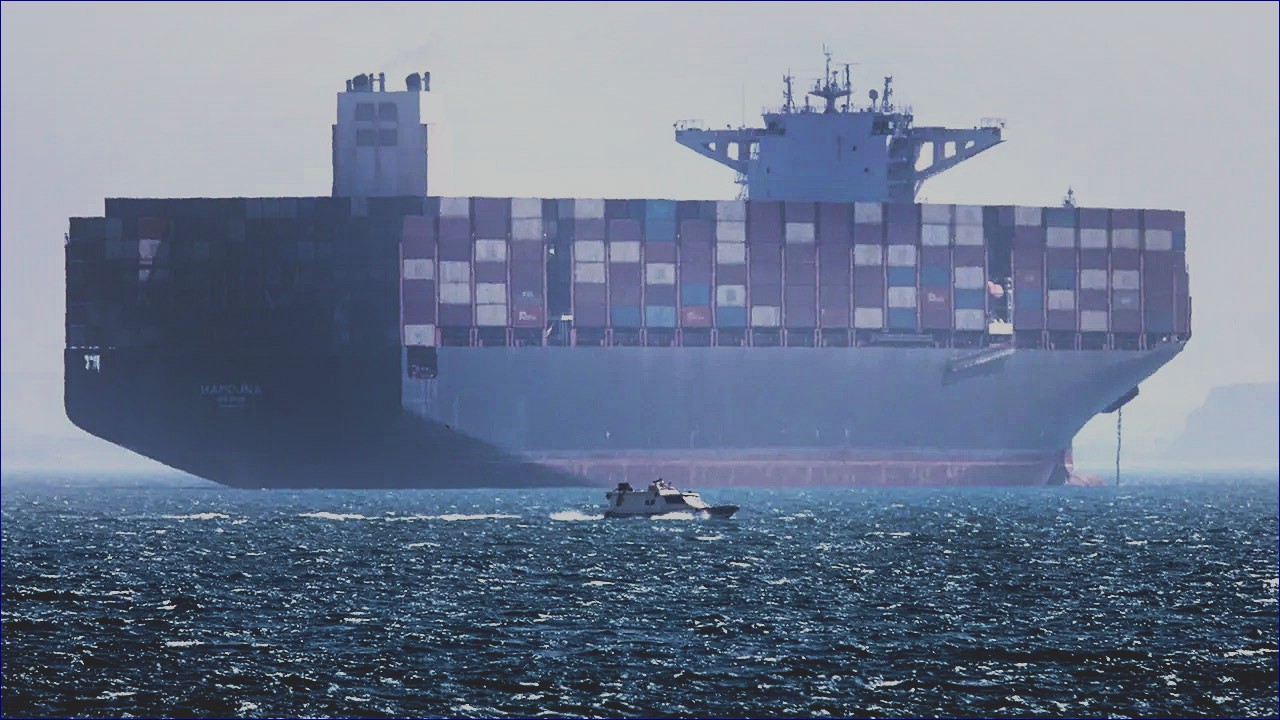
This comes as the U.S. has been urging its European allies to take a stronger role in safeguarding international shipping routes due to the Iranian threats in the Strait of Hormuz—an essential passage where around 20% of the world’s oil passes.
In light of the conflicts, U.S. Secretary of State Marco Rubio raised questions about the strategic value of military bases in allied countries that might restrict U.S. operations in times of war. He asserted that while these bases offer logistical options, their denials during conflicts could diminish their importance.
Defense Spending in Europe
As a NATO member since 1999, the Czech Republic has achieved the alliance’s defense spending target of 2% of GDP. Macinka argued for increased military readiness in Europe, especially given Russia’s ongoing actions in Ukraine. He stressed, “Europe must increase its defense spending and not rely solely on Washington.”
He criticized the European Union’s Green Deal policies for undermining military investments, suggesting that less focus on environmental issues would free up funds for defense initiatives.
Macinka also voiced support for the current U.S. administration, indicating a shift toward common-sense policies that benefit allies like Israel and the U.S. He defended the rise of populism in Europe and the U.S., pointing to his earlier clashes with figures like former Secretary of State Hillary Clinton regarding different political ideologies.
Solidarity with Ukraine
Reflecting on history, Macinka linked the Czech Republic’s firm backing for Ukraine to past experiences during the Soviet-led invasion of Czechoslovakia in 1968. He highlighted the strong solidarity among the Czech people towards Ukraine, describing the ongoing conflict as a struggle between a powerful Russian military and Ukraine’s defense bolstered by Western support.
The Czech Republic has been instrumental in a new initiative to supply Ukraine with artillery rounds, having sent over half a million rounds in 2026 alone. Macinka stressed the importance of stabilizing the battlefield for effective negotiations, warning that shifting front lines could complicate peace efforts.
He called on Europe to take a more active role in negotiating for Ukraine, stating, “With the U.S. focused on the Middle East, Europe should step up and seek a prominent place in discussions.”
This commitment mirrors the Czech Republic’s historical steadfastness and growing influence in international security matters.
