
Surge in Antisemitism Sparks Concerns in France
PARIS, France — Israel’s ambassador to France, Joshua Zarka, has expressed serious concerns about the rise of antisemitism in the country, linking it to the rhetoric of far-left politician Jean-Luc Mélenchon, which he feels echoes the language used by Hitler. Zarka highlighted that foreign influences have contributed to a sharp increase in antisemitic incidents, leading some Jews in France to conceal their identities for everyday safety.
Recent statistics reveal a troubling year for antisemitism in France, with reported incidents rising to 1,320 in 2025 compared to just 436 in 2022. Despite the alarming trend, Jewish community leaders have vowed to stand their ground amidst increasing attacks.
Zarka noted that France has the largest Muslim community in Europe, which he claims plays a role in the escalating antisemitic acts reported across the nation. He underscored that France is also home to Europe’s largest Jewish population.
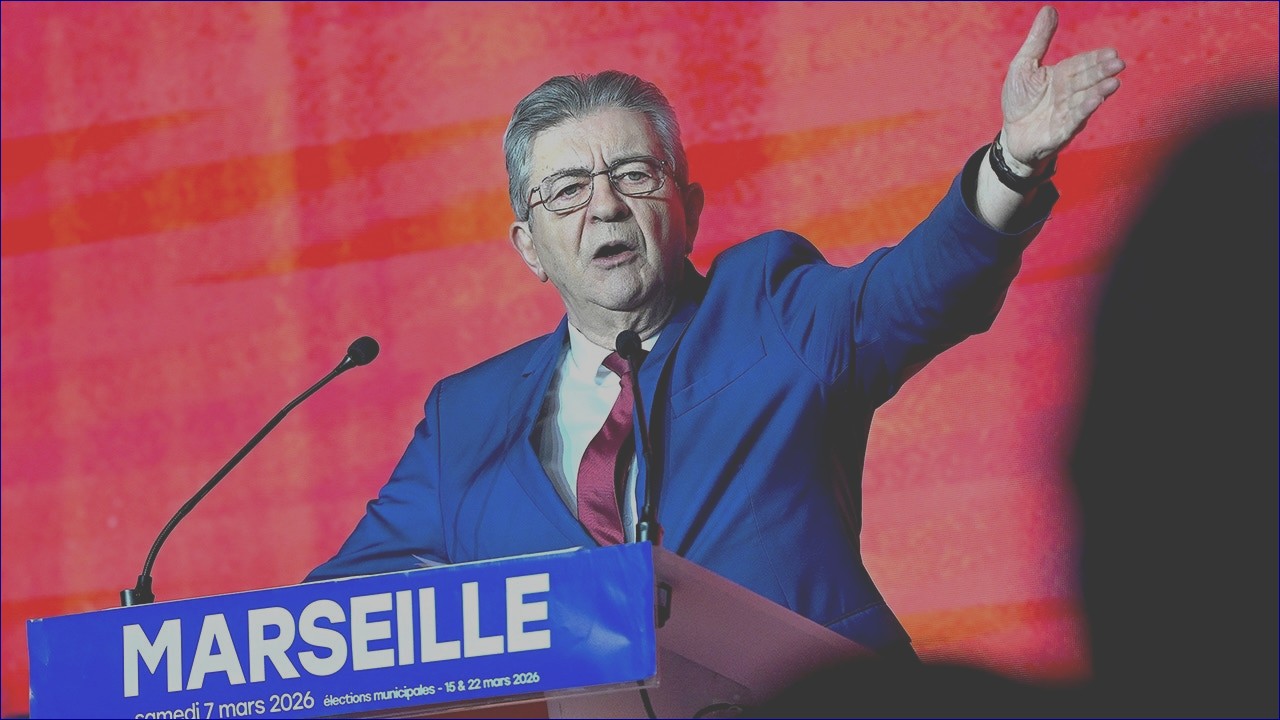
He pointed out that various foreign actors, including Iran, Russia, Turkey, and Qatar, are fueling antisemitism from abroad. Additionally, he accused some French political figures, especially from Mélenchon’s party La France Insoumise (LFI), of exploiting antisemitism for electoral gains. Zarka remarked that Mélenchon’s speeches remind him of the divisive rhetoric used by Hitler.
In a recent controversy, the Human Rights League criticized Mélenchon for mocking the pronunciation of Jewish names, which many saw as insensitive given the current climate.
Zarka indicated that the way antisemitism has been discussed has shifted notably, with many now viewing the National Rally, historically linked to the far-right, in a different light.
Despite the surge in antisemitic acts, which include violence against Jews and vandalism of Jewish symbols, some community members remain determined to practice their faith openly. Rabbi Elie Lemmel noted a stark rise in hostility since the October 7 attacks in Israel, which he believes have intensified local tensions.
Jewish families are increasingly cautious, with some choosing to avoid displaying items like mezuzahs to prevent identification. However, leaders like Yonathan Arfi, head of the Conseil Représentatif des Institutions juives de France, emphasized the importance of resilience. He stated that while precautions are necessary, Jewish life in France continues to thrive, with many synagogues and kosher restaurants flourishing.
Rabbi Lemmel remarked on the need to stay vigilant, expressing his commitment to wearing his kippah despite the risks, arguing that retreating would signify loss to those who seek to intimidate the community.
The French government’s stance on combating antisemitism has been noted as serious but complicated. President Emmanuel Macron recently condemned the “antisemitic hydra” infiltrating various levels of society, linking it to broader political movements, notably condemning both right-wing and far-left antisemitism.
As tensions escalate, Zarka warns that while France is still a relatively safe place for Jews compared to other European nations, the situation requires ongoing caution. The recent spike in immigration from France to Israel may signal deepening concerns about the future for Jewish communities in France, indicating a need for proactive measures to ensure safety and security.
Despite the rise of antisemitism, community leaders emphasize the importance of maintaining an open and vibrant Jewish life in France, pledging to reject fear in the face of hatred.
