
Trump Advocates for Free Navigation in the Strait of Hormuz
President Donald Trump is urging for a toll-free passage through the Strait of Hormuz, strongly rejecting Iran’s claims about establishing a “controlled maritime zone” and potential toll fees. The U.S. continues to assert control through various measures, while increasing economic sanctions and diplomatic efforts with Gulf allies aim to put pressure on Iran regarding its nuclear ambitions and activities in the region.
Shipping Concerns in the Gulf
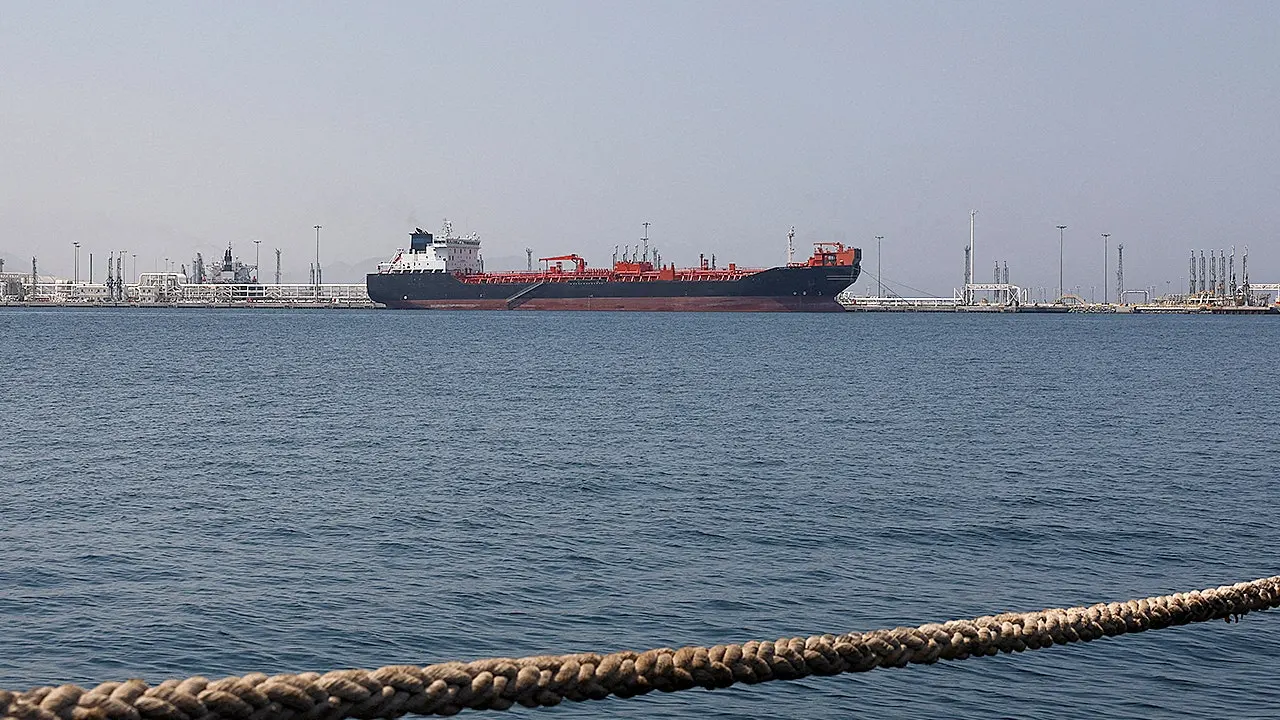
Recently, there was a significant disruption in maritime tracking near the UAE’s main oil hub, Fujairah. This led to concerns about shipping safety just hours before Trump indicated that progress was being made on a peace deal with Iran. An intelligent maritime firm, Windward AI, noted a blackout in Automatic Identification System (AIS) signals in the area, suggesting possible electronic warfare and cyber interference.
Windward AI reported that while vessels were still present, many ships seemed to disappear from tracking systems. Activity at Fujairah resumed, with one tanker recently moving 1.35 million barrels of crude oil en route to South Korea, signaling a cautious return to normal operations.
Iran’s Response
In response to Trump’s announcement, Iran maintained its stance that the Strait of Hormuz will remain under its full control. An Iranian military spokesperson emphasized that all decisions regarding transit routes and maritime licenses belong solely to Tehran, reinforcing claims made recently by the Iranian government.
The Iranian authorities are also tightly regulating maritime traffic through the newly announced Persian Gulf Strait Authority, which requires ships to provide detailed information for safe passage in the strait.
Analysis of Regional Tensions
Experts suggest that Iran’s territory claims are becoming more aggressive, extending beyond its coastal waters. The ongoing negotiations with the U.S. are centered around nuclear issues, but the Persian Gulf Strait Authority could also influence global oil markets significantly.
Analysts believe that Iran is using this situation as a way to exert power in the region, creating pressure on shipping routes while aiming to normalize Iranian oversight of this crucial passageway for oil transport. They indicate that this could transform how Gulf states and major importers perceive Iranian control over the strait.
While talks for a ceasefire and nuclear negotiations are underway, Iran’s new maritime authority is perceived as both an economic and strategic tool to bolster its influence without escalating military confrontations directly.
