
The Benefits of Walking: Tips for Wellness and Safety
Walking is a simple and effective way to boost your health and clear your mind. However, doing it the wrong way could lead to problems, as Dr. Milica McDowell explains in her book, “Walk.” Dr. McDowell, a physical therapist based in Montana, emphasizes the importance of proper walking techniques and routines for overall well-being.
Health Benefits of Walking
According to Dr. McDowell, walking offers numerous health benefits that contribute to both immediate wellness and long-term longevity. “Walking strengthens every part of your body—from your gut health to your muscle strength and even your mental well-being,” she noted. Since the pandemic, however, walking rates have significantly dropped.
Additionally, Dr. McDowell highlights that walking can help with weight loss and stress relief, making it a great low-impact exercise.
Common Mistakes While Walking
While walking is beneficial, the expert warns against several common pitfalls.
1. Walking and Scrolling:
Being distracted by your phone while walking can be dangerous. Dr. McDowell advises disconnecting from your devices to stay aware of your surroundings and avoid accidents.
2. Wearing the Wrong Shoes:
Wearing shoes that don’t fit properly can negatively affect your walking. McDowell suggests choosing shoes designed specifically for walking, with enough room for your toes to spread out. Proper footwear helps prevent injuries and improves your walking posture.
3. Neglecting a Balanced Routine:
Walking should be part of a broader fitness plan. Engaging in other activities, like strength training, can enhance your overall health and prevent injuries. A balanced routine should include hydration, good nutrition, and adequate rest.
4. Ignoring Walking Speed:
Your walking speed can indicate your health status. Faster walking, around 120 to 130 steps per minute, can provide additional health benefits compared to a slower pace. It’s vital to keep an eye on any changes in your walking speed, as this can signal underlying health issues.
5. Lack of Consistency:
Consistency is key to reaping the full benefits of walking. A daily walking habit is more effective than only walking once or twice a week. Dr. McDowell recommends setting achievable goals that suit your personal fitness level rather than forcing a one-size-fits-all target like 10,000 steps.
Final Thoughts
Dr. McDowell wraps up her advice by emphasizing that every walk should be efficient. “Walking is a graceful activity that doesn’t require intense effort,” she states. It’s a fantastic way to fit movement into your everyday life, whether through short walks throughout the day or longer sessions as your schedule allows.
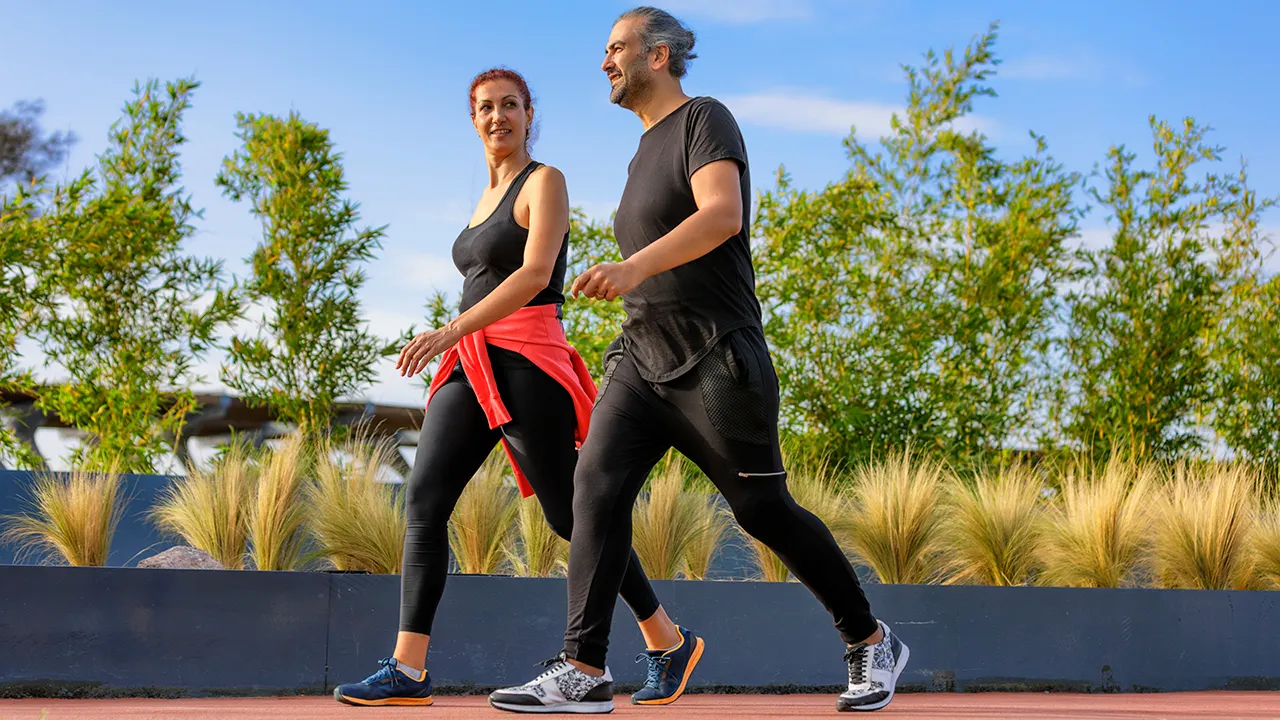
Walking also serves as an excellent social activity. Spending time with friends or family while walking can enhance both physical health and emotional wellness, particularly for older adults, as it encourages companionship while promoting fitness.
By following these tips and being mindful of how you walk, you can enjoy the many health benefits that this simple activity has to offer.
