
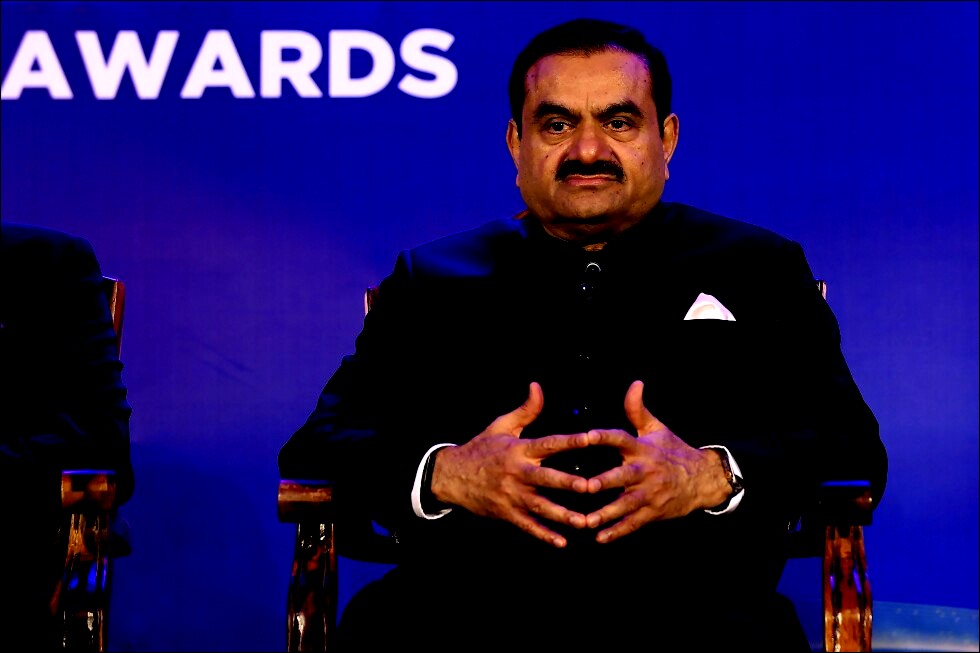
U.S. Prosecutors Seek to Dismiss Charges Against Gautam Adani
NEW YORK — In a recent court filing, U.S. prosecutors requested that a judge dismiss the criminal charges against Indian billionaire Gautam Adani. Adani had faced accusations of defrauding Wall Street investors in a large solar energy project in India.
The charges were brought up in 2024, claiming that Adani paid substantial bribes to ensure the project’s success. The federal court in Brooklyn charged him with conspiracy, securities fraud, and wire fraud related to a deal for Adani Green Energy Ltd. to provide 12 gigawatts of solar power to the Indian government.
At that time, the Adani Group strongly denied the allegations, stating that they were unfounded.
Prosecutors explained in their statement that the Department of Justice decided not to pursue the charges any further, emphasizing their discretion in the matter. The request to dismiss the case is now awaiting approval from Judge Nicholas Garaufis.
Both Adani’s legal team and those representing his co-defendants agreed to the dismissal request. Notably, Adani has never been arrested in this case nor brought to the U.S. for trial, leading some in India to believe that the case might be dropped, especially after changes to the U.S. law regarding foreign business bribes.
This move follows the U.S. Securities and Exchange Commission’s announcement that it would settle a related lawsuit against Adani.
Rising from a coal business in the 1990s, Adani has diversified his company into sectors such as renewable energy, defense, and agriculture. He has built one of the largest solar power plants in the world and aims to be India’s top player in renewable energy by 2030, maintaining close connections with Prime Minister Narendra Modi.
However, Adani also faces criticism. A U.S.-based short-seller, Hindenburg Research, has accused him of stock manipulation and accounting fraud. Adani’s Group has dismissed these claims as a mix of misinformation and discredited allegations.
When charges were filed, prosecutors claimed that Adani led investors to believe the solar project was legitimate while allegedly paying $265 million in bribes to secure contracts.
Internationally, Adani faced backlash, with Kenya’s president canceling multimillion-dollar deals with him, and changes in negotiations for projects in Sri Lanka.
Analysts note that Adani’s swift rise in business may be attributed to his alignment with the priorities of the Modi government. Critics argue that he benefits from crony capitalism and preferential government treatment, a claim the Adani Group continues to contest.
