
UNITED NATIONS: Talks on Nuclear Non-Proliferation Begin Amid Rising Tensions
Starting Monday, representatives from countries that signed the important nuclear non-proliferation treaty (NPT) will gather at the United Nations. As tensions among nuclear powers increase, there are concerns that a meaningful agreement may be hard to achieve.
In the last review of the treaty in 2022, UN Secretary-General Antonio Guterres warned that the world is “one misunderstanding, one miscalculation away from nuclear annihilation.” Unfortunately, the situation seems to have worsened since then.
Izumi Nakamitsu, the UN High Representative for Disarmament Affairs, noted a common feeling of crisis among the countries involved. She highlighted the lack of any arms control agreements between the world’s two largest nuclear powers, the United States and Russia, particularly after the New START treaty expired in February. Additionally, she pointed out the rising number of nuclear weapons held by various countries.
Nakamitsu indicated that growing geopolitical tensions have stalled progress on nuclear disarmament, which was improving after the Cold War. The NPT, signed by nearly all countries—except for a few like Israel, India, and Pakistan—aims to prevent the spread of nuclear arms, promote disarmament, and encourage peaceful use of nuclear energy.
As of January 2025, the nine nations with nuclear weapons—Russia, the United States, France, the United Kingdom, China, India, Pakistan, Israel, and North Korea—were reported to have a total of 12,241 nuclear warheads, according to the Stockholm International Peace Research Institute (SIPRI). The U.S. and Russia alone hold about 90% of these weapons and have been modernizing their arsenals.
China has also been rapidly expanding its nuclear stockpile, prompting concern from the G7 about the growing capabilities of Moscow and Beijing. U.S. President Donald Trump has expressed interest in conducting new nuclear tests, citing that other nations are doing the same. Meanwhile, French President Emmanuel Macron recently announced plans to increase France’s existing nuclear arsenal of 290 warheads.
Seth Sheldon from the International Campaign to Abolish Nuclear Weapons (ICAN) noted that trust is deteriorating both within and outside the NPT framework. He remains skeptical about the outcome of the upcoming four-week summit, as decisions must be reached by consensus—a challenge given that the last two conferences failed to finalize agreements.
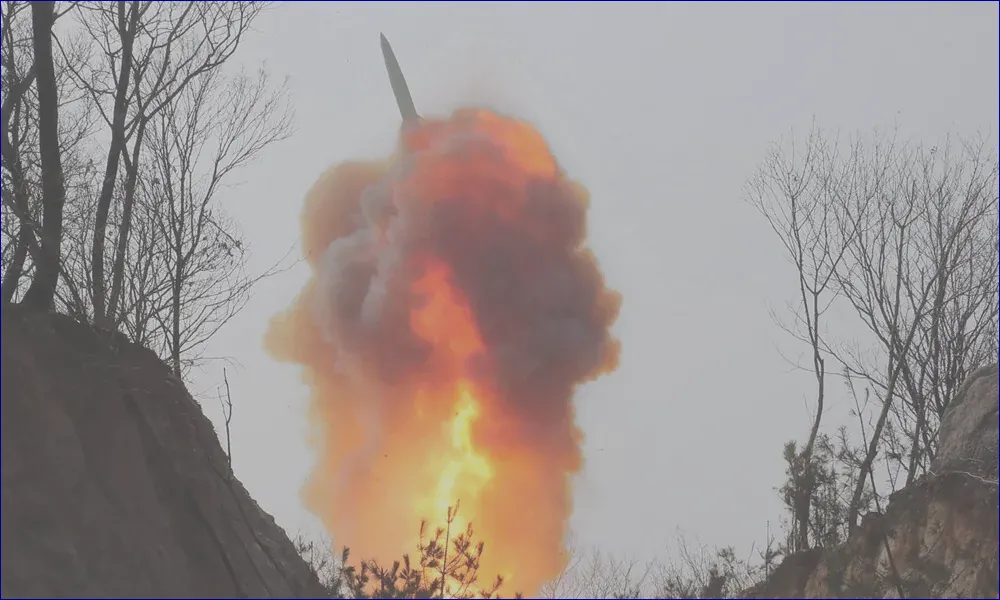
Past disagreements, like those related to a proposed nuclear-weapon-free zone in the Middle East and Russia’s concerns over Ukraine’s nuclear facility, contributed to previous deadlocks. This year, issues such as the ongoing war in Ukraine, Iran’s nuclear activities, and North Korea’s military advancements may hinder progress even further.
Should this summit also conclude without agreement, experts warn that while the treaty may not collapse immediately, it could gradually lose its effectiveness. Additionally, the role of artificial intelligence in nuclear weapon control is emerging as a potential focal point, with some countries advocating for keeping human oversight over these dangerous systems.
