
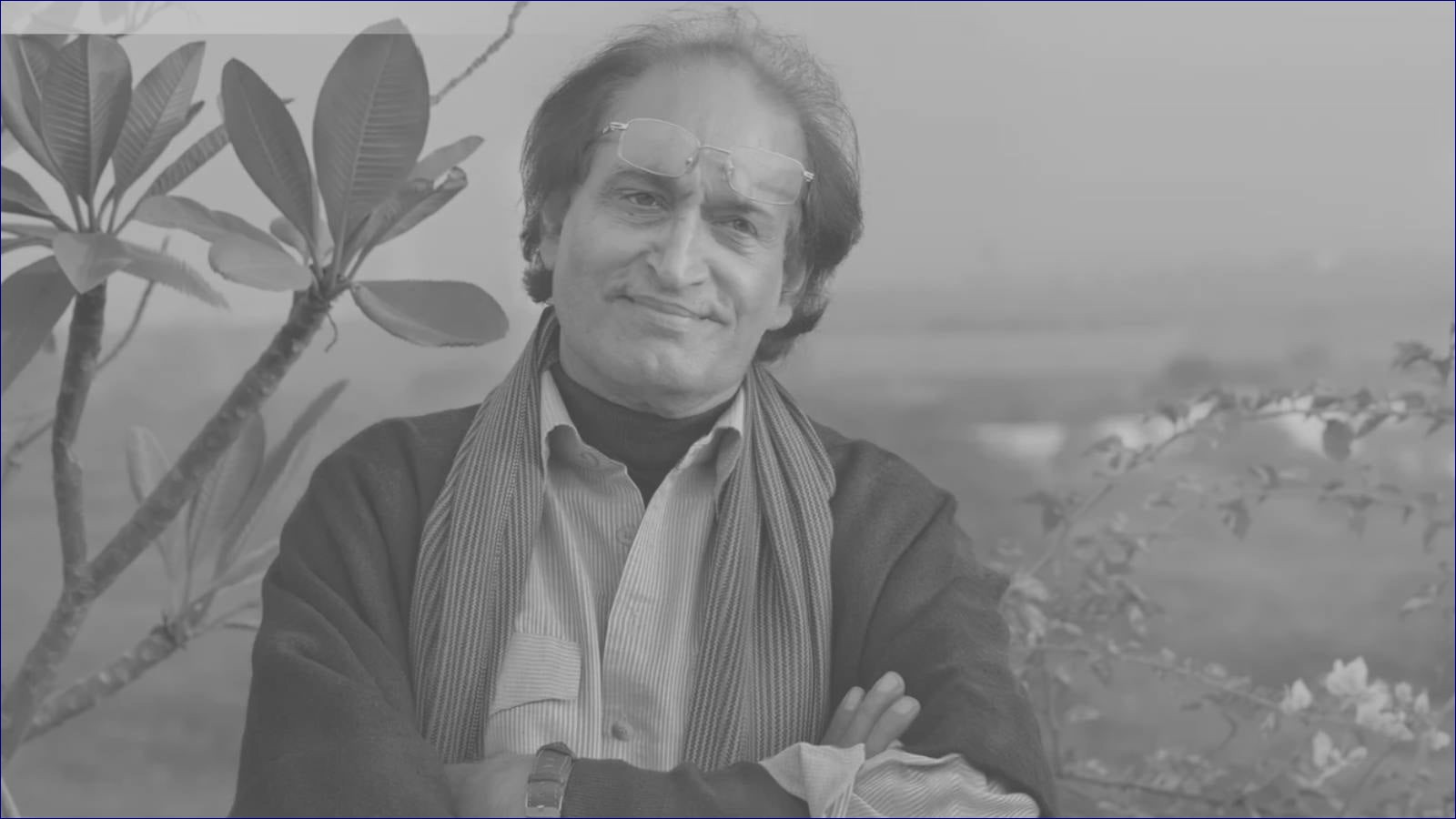
Remembering Raghu Rai: A Visual Chronicler of India
Raghu Rai, a beloved name in Indian photography, passed away on April 26, 2026, at the age of 83. His journey into the world of photography began unexpectedly while he was taking a break from his career as a civil engineer. In the 1960s, a visit to his brother, renowned photographer S Paul, introduced him to this art form. During a trip to a village in Haryana, Rai captured one of his first photos—a striking image of a donkey looking directly into the camera. This photo caught his brother’s attention and was published in The Times in London, marking the start of an incredible career in photography.
Rai was not just a photographer; he was an explorer of life, bringing depth and emotion to every picture. In a 2024 interview, he mentioned, “More than a professional photographer, I became an explorer of life.” His work captured the essence of India, documenting its history and diverse culture.
For over fifty years, Rai was a dedicated photojournalist. He believed that while traditional journalism shared stories, photojournalism captured raw emotions and lived experiences. He once stated, “If responsible journalism is the first draft of history, then photojournalism is the first evidence of that history being lived.”
Throughout his seven-decade career, Rai witnessed and recorded many significant events in India. Notably, he photographed Jarnail Singh Bhindranwale in the Golden Temple complex shortly before Operation Blue Star in 1984 and captured haunting images from the Bhopal Gas Tragedy. During India’s Emergency in the 1970s, he creatively navigated censorship, producing powerful symbolic images of the political climate.
In 1977, he made history as the first Indian photographer invited to join Magnum Photos, a prestigious photography cooperative, thanks to a nomination from the legendary Henri Cartier-Bresson. This recognition highlighted his unique approach to capturing human experiences, from the bustling streets of Delhi to serene landscapes along the Ganges River.
Rai’s contributions extended beyond photography into publishing. His books, such as Delhi, Raghu Rai’s India, and Tibet in Exile, showcase his extensive body of work. Notably, Raghu Rai: People (2016) features remarkable portraits of both well-known figures and everyday individuals, illustrating his ability to connect with varied subjects.
Even in his later years, Rai remained committed to his craft, continuing to document the rich tapestry of contemporary India. His legacy lives on through his photographs, preserving memories and stories for future generations.
